Quickbook2U Delivers National Library Books to Your Door
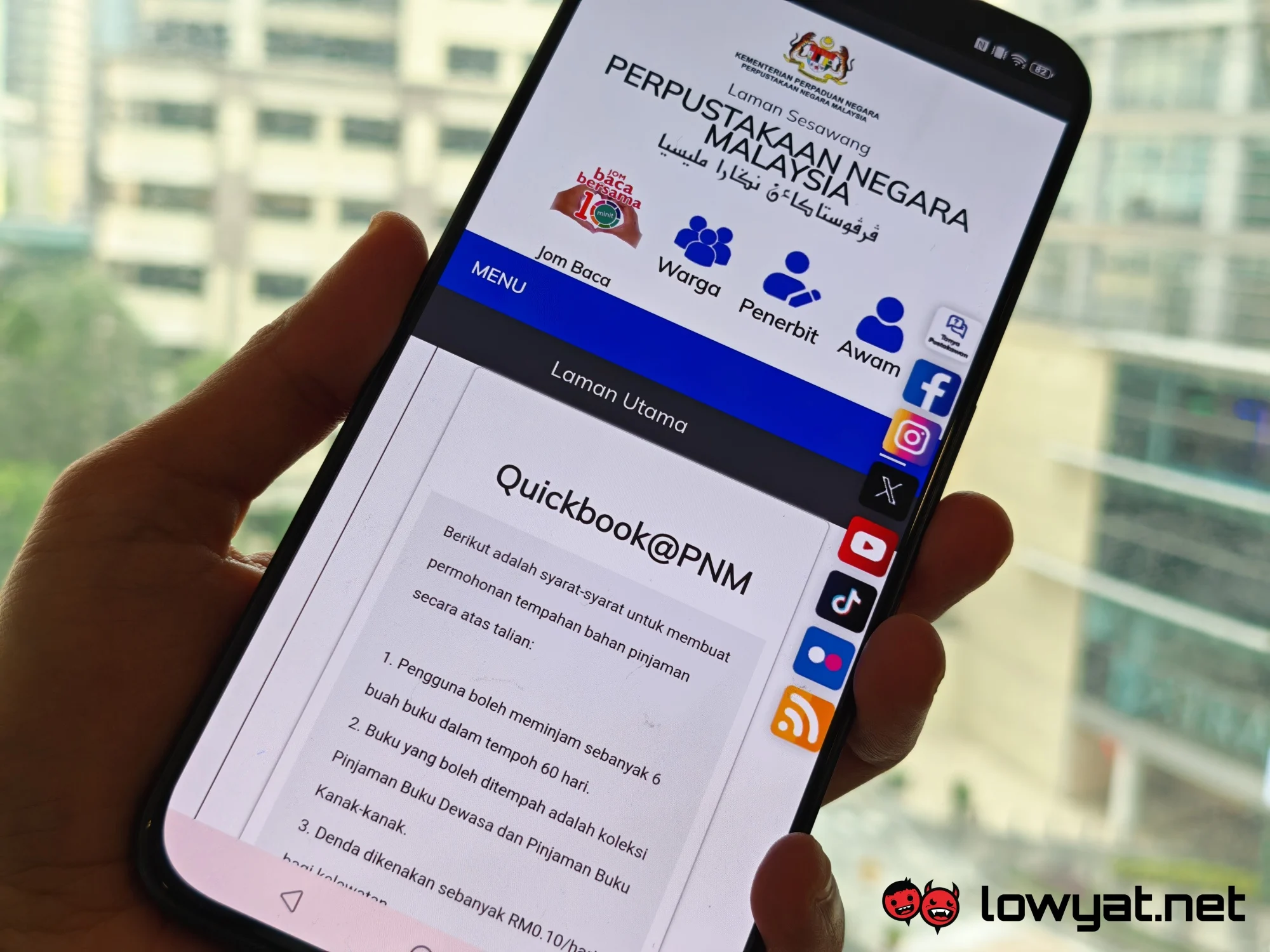
Digital transformation within the public sector has reached a significant milestone as traditional archival institutions integrate advanced on-demand logistics to serve a mobile-first population. Follow the news as the National Library uses Quickbook2U and QuickKarel for home delivery. Borrow your favorite books online and get them delivered with ease. This initiative marks a definitive shift in how public resources are distributed, moving away from the centralized "walk-in" model toward a decentralized, user-centric delivery ecosystem. By bridging the gap between physical collections and digital accessibility, the National Library is setting a new standard for modern educational infrastructure.
The Evolution of Library Logistics: From Archives to Doorsteps
The modern library is no longer defined solely by its physical architecture but by its ability to disseminate information efficiently across vast distances. For years, the primary barrier to accessing physical volumes has been the "last-mile" challenge—the logistical hurdle of getting a book from a shelf in a city center to a reader in a suburban or rural home office. The collaboration between the National Library and Quickbook2U addresses this specifically by treating library books as essential commodities that deserve the same delivery speed as consumer goods.
This partnership utilizes a specialized logistics platform designed for delicate handling and rapid turnaround. Unlike standard courier services, the integration of QuickKarel ensures that materials are tracked from the moment they are checked out via the Online Public Access Catalog (OPAC) until they arrive at the recipient’s address. This system effectively turns the entire country into a potential reading room, democratizing access to knowledge for those who may have physical disabilities, lack reliable transportation, or simply operate on a schedule that does not align with traditional library hours.
How the Quickbook2U Integration Functions
The technical synergy between a national database and a private logistics firm requires a robust API-driven backend. Users initiate the process by browsing the library's massive digital inventory. Once the desired titles are identified, the transition to the delivery phase is handled through a dedicated interface. The process is streamlined to ensure that the user experience is as frictionless as ordering a package from an e-commerce giant.
Step-by-Step User Workflow
- Catalog Selection: Users log into the National Library’s OPAC system to verify the availability of their chosen titles.
- Delivery Request: Instead of placing a "hold" for pickup, the user selects the home delivery option powered by Quickbook2U.
- Logistics Processing: The system generates a pickup request for the QuickKarel courier, who retrieves the items from the library’s central hub or designated branches.
- Tracking and Receipt: Users receive real-time updates on their shipment, with delivery usually occurring within a standard window of 48 to 72 hours, depending on the geographic zone.
By implementing this structured workflow, the library reduces the administrative burden on its internal staff. The logistics partner handles the complex routing and fuel management, while library professionals focus on collection curation and digital preservation. This division of labor is essential for the long-term sustainability of public services in a high-inflation global economy.
Cost-Efficiency and Economic Impact
While the service offers immense convenience, it is also structured to be economically viable for the average citizen. In many global markets, similar private courier services can be expensive. However, by leveraging a specialized partner like Quickbook2U, the delivery fees are often localized and subsidized through institutional partnerships. For example, a delivery fee of approximately 10 to 15 units of local currency equates to roughly $2.15 to $3.25 USD. This nominal fee is significantly lower than the cost of fuel, parking, and time required for a round trip to a central city library.
From a macro-economic perspective, this model supports the gig economy by providing consistent volume for delivery partners like QuickKarel. It also promotes literacy and continuous professional development, which are core drivers of a high-skilled workforce. When information is easy to obtain, the barrier to learning is lowered, leading to a more informed and capable society.
Pro Tip: To maximize the value of the delivery fee, users should borrow the maximum number of books allowed per transaction (often up to 5 or 10 volumes). This reduces the "per-book" delivery cost and ensures you have a diverse range of research materials for the duration of the loan period.
The Global Context: A Blueprint for Public Libraries
The success of the National Library’s delivery program serves as a case study for other international institutions. In the United States, the United Kingdom, and Australia, library systems have experimented with "Bookmobiles" or postal lending, but few have integrated a real-time 3PL (Third-Party Logistics) solution with the same level of digital transparency. The use of Quickbook2U highlights a trend toward "Library-as-a-Service" (LaaS), where the value lies in the accessibility and the network rather than just the physical collection.
Scalability and Technical Compatibility
For a logistics system to work on a national scale, it must be compatible with varying infrastructures. QuickKarel’s fleet management is optimized for both dense urban centers and sprawling suburban landscapes, making it an ideal partner for national initiatives. Furthermore, the platform's security protocols ensure that high-value or rare books are handled with the necessary care, preventing loss or damage that might occur through standard postal channels.
Sustainability and Environmental Considerations
One might argue that individual deliveries increase a library's carbon footprint. However, a centralized delivery route managed by a professional logistics provider is often more fuel-efficient than 50 individual patrons driving their private vehicles to the library. Quickbook2U uses route optimization software to ensure that couriers take the most efficient path, minimizing emissions and reducing urban traffic congestion. This aligns with global "Green City" initiatives and promotes a more sustainable model for public service consumption.
The Future of On-Demand Education
Looking ahead, the integration of Quickbook2U and the National Library is likely the first step in a broader trend toward on-demand educational resources. We may soon see the delivery of specialized hardware, such as tablets or VR headsets for digital learning, through the same channels. As libraries continue to evolve into community resource centers, their ability to reach people where they live and work will remain the primary metric of their success.
The verdict is clear: the convenience of home delivery for library books is not just a luxury; it is a necessary evolution in the digital age. It protects the relevance of physical books while embracing the speed and efficiency of modern technology. Whether you are a student, a researcher, or a casual reader, the ability to access a national archive from your smartphone and receive items at your door is a transformative development.
We invite you to share your experience with this new service. Has the convenience of home delivery changed your reading habits or helped you access resources you otherwise would have missed? Leave a comment below or share this guide with a fellow book lover.
Frequently Asked Questions
How do I register for the home delivery service?
Users must first be registered members of the National Library. Once a membership is active, you can link your account to the Quickbook2U platform using your library ID to begin requesting deliveries through the online catalog.
Is the delivery service available internationally?
Currently, the partnership between the National Library and QuickKarel is focused on domestic delivery to ensure rapid turnaround and affordable rates. International users can still access digital e-books and journals through the library’s remote portal.
What is the typical cost for a book delivery?
The cost varies based on the distance from the library hub, but most local deliveries are priced competitively, often ranging between $2.00 and $5.00 USD. This covers the handling, pickup, and last-mile delivery to your specified address.
How do I return the books once I am finished?
Returning books is as simple as borrowing them. You can use the Quickbook2U app to schedule a return pickup, or you can return them in person to any designated library drop-off point or "book car" station in your area.
Are there limits on how many books I can have delivered?
Yes, the delivery limit usually aligns with the library’s standard borrowing policy. Most users can have up to 5 or 10 books delivered in a single shipment, depending on their membership tier and the weight of the volumes.