Chinese WeChat Pay Users Can Now Scan DuitNow QR Codes
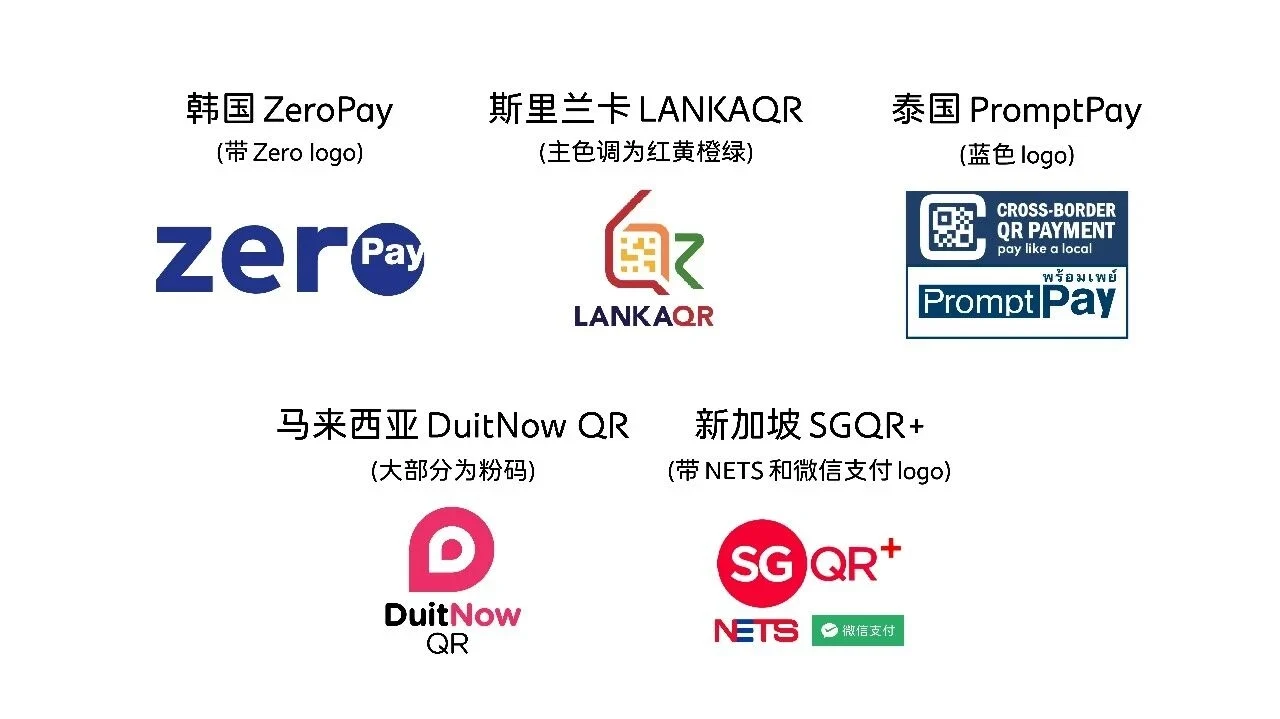
The landscape of international travel and digital finance has reached a significant milestone with the latest integration of cross-border payment systems in Southeast Asia. Chinese travelers can now use their WeChat app to scan DuitNow QR codes in Malaysia. Learn how this update boosts e-commerce and simplifies local payments. This development marks a pivotal shift in how international visitors interact with the local economy, removing traditional friction points associated with currency exchange and physical payment methods. By bridging the gap between China’s dominant mobile wallet and Malaysia’s national QR standard, the partnership enhances the efficiency of retail transactions for millions of potential users. This advancement not only caters to the immediate needs of tourists but also sets a sophisticated precedent for regional financial interoperability.
The collaboration between Payments Network Malaysia (PayNet) and WeChat Pay (operated by Tencent) signifies a deeper economic alignment between these two nations. For years, the reliance on cash or international credit cards with high foreign transaction fees acted as a barrier for travelers from mainland China. With the activation of this service, the user experience becomes localized, allowing visitors to pay for goods and services as easily as they would in Beijing or Shanghai. This initiative follows similar integrations with Alipay+ and other regional wallets, positioning Malaysia as a leader in digital payment adoption within the ASEAN region.
The Evolution of Cross-Border Digital Interoperability
Digital payment systems have transitioned from being localized conveniences to essential global infrastructure. The inclusion of WeChat Pay into the DuitNow QR ecosystem is not merely a technical update; it is a strategic move to capture the recovering tourism market. Since the reopening of borders, the volume of travelers moving across Asia has surged, and their expectations for contactless, mobile-first solutions have never been higher. By utilizing the existing DuitNow QR infrastructure, which is already ubiquitous across Malaysian SMEs and large retailers, the system avoids the need for expensive hardware upgrades.
The technical framework behind this integration relies on a unified QR code standard. In the past, merchants had to display multiple QR codes for different providers, leading to "counter clutter" and consumer confusion. The DuitNow QR system solves this by acting as a single point of entry for various domestic and international wallets. When a user scans the code, the backend system identifies the source wallet and processes the transaction through a secure clearinghouse. For the merchant, the process is seamless, as they receive the funds in Malaysian Ringgit, while the consumer sees the deduction in Chinese Yuan based on real-time exchange rates.
Streamlining the Merchant Experience in Malaysia
One of the primary advantages of this integration is its accessibility for small and medium-sized enterprises (SMEs). In many tourist-heavy areas, such as Kuala Lumpur, Malacca, and Penang, vendors ranging from high-end boutiques to street food stalls can now accept payments from one of the world's largest user bases. Merchants do not need to apply for a specific "Chinese payment terminal." If they already support DuitNow QR through their local bank or e-wallet provider, they are likely already equipped to handle these international transactions. This democratization of high-tech payment tools allows local businesses to compete more effectively for tourist dollars.
Furthermore, the reduction in cash handling provides several operational benefits. Merchants face lower risks of theft and lower costs associated with physical cash management and banking. The digital nature of these transactions also provides a clear paper trail, which simplifies accounting and tax reporting. For a business owner, the ability to cater to a global audience without increasing operational complexity is a significant competitive edge in a tightening retail market.
Impact on the Tourism and Retail Sectors
The retail sector is poised to be the largest beneficiary of this payment synergy. Data from previous years indicates that Chinese tourists are among the highest spenders globally, with a strong preference for luxury goods, electronics, and local delicacies. When the payment process is frictionless, the average transaction value tends to increase. This "convenience effect" encourages spontaneous purchases that might have been abandoned if the customer had to find an ATM or worry about credit card acceptance.
From a tourism perspective, this move aligns with the "Visit Malaysia" initiatives aimed at revitalizing the hospitality industry. Hotels, tour operators, and transport services can now offer a unified payment experience. This level of integration makes Malaysia a more attractive destination compared to regions that still rely heavily on legacy payment systems. It creates a sense of familiarity and safety for travelers, knowing that their primary financial tool is recognized and supported internationally.
Pro Tip: For merchants looking to maximize this opportunity, ensuring that your DuitNow QR code is clearly visible at the point of sale and mentioning "WeChat Pay Accepted" can significantly increase conversion rates among international visitors.
Security and Technical Infrastructure
Security remains a paramount concern in cross-border transactions. The integration utilizes advanced encryption and tokenization to ensure that user data is protected throughout the transaction lifecycle. Because the payment is initiated by the user scanning the merchant's QR code (a "pull" transaction) or the merchant scanning the user's code (a "push" transaction), the risks associated with card skimming are virtually eliminated. Additionally, the clearing and settlement process is overseen by PayNet, which operates under the regulatory framework of Bank Negara Malaysia, ensuring high standards of financial integrity.
The clearing system handles the currency conversion internally. For example, if a meal costs 100 Malaysian Ringgit (approximately $21.50 USD), the system calculates the equivalent in Chinese Yuan based on the prevailing wholesale rate and presents this to the user before they authorize the payment. This transparency builds trust, as users are not hit with "hidden" fees on their monthly statements weeks after their trip has ended.
Global Compatibility and Future Outlook
The success of the WeChat-DuitNow integration serves as a blueprint for other regions. As digital wallets continue to fragment the global payment landscape, the need for "interoperable hubs" becomes critical. Malaysia's approach of using a national QR standard that can be "switched on" for international partners is highly efficient. It avoids the fragmentation seen in other markets where multiple competing standards prevent universal adoption. We can expect to see similar partnerships expanding into the Middle East, Europe, and potentially the Americas as QR-based payments gain more traction globally.
Actionable Conclusion
The integration of WeChat Pay into the Malaysian DuitNow QR network is a transformative development for international commerce. It effectively removes the final barriers for Chinese travelers, allowing for a truly cashless experience that benefits both the consumer and the local merchant. As e-commerce and physical retail continue to merge, these types of cross-border collaborations will be the backbone of the global economy. For travelers, it means convenience; for merchants, it means growth; and for the financial sector, it represents a more connected and efficient world. If you are a business owner in a high-traffic area, now is the time to ensure your QR signage is up to date and your staff is trained on handling these international digital payments.
Frequently Asked Questions
Do Chinese users need a Malaysian bank account to use this service?
No, users only need their existing WeChat Pay account linked to their Chinese bank or card. The system handles the cross-border settlement automatically without requiring a local account.
Are there additional transaction fees for the merchant?
Merchants typically pay a standard Merchant Discount Rate (MDR) similar to domestic QR transactions. While rates vary by acquirer, they are generally much lower than the fees associated with international credit card processing.
Is this service available throughout all of Malaysia?
Yes, the service is available wherever a DuitNow QR code is displayed, provided the merchant's acquiring bank has enabled the international inbound payment feature, which is now standard for most major Malaysian financial institutions.
Does this work for Malaysian DuitNow users traveling to China?
This specific update focuses on inbound Chinese travelers to Malaysia. However, reciprocal agreements are in development, and some Malaysian e-wallets already support scanning QR codes in China through separate Alipay+ partnerships.
What happens if a transaction fails?
Transactions are processed in real-time. If a failure occurs, it is usually due to insufficient funds or connectivity issues. Users receive an immediate notification in the WeChat app, and merchants can verify the status through their merchant app or portal instantly.