NVIDIA Warranty Claims Rise 1000 Percent Over Three Years
NVIDIA is currently navigating a period of unprecedented operational expansion that has fundamentally altered its financial risk profile and product support requirements. NVIDIA reports a 1000% increase in warranty claims over three years. Learn how this massive spike impacts the hardware market and nvidia graphics reliability. This surge in warranty-related liabilities, revealed in the company’s latest regulatory filings, highlights a pivotal shift from consumer-grade gaming components to high-value, hyper-complex AI data center infrastructure. While a thousand-percent increase in claims would typically signal a manufacturing crisis for most companies, the context behind these figures suggests a more nuanced narrative involving massive scale, rising unit costs, and the technical challenges of the AI era.
The Financial Reality of Rising Warranty Liabilities
To understand the scope of this hardware shift, one must look closely at the fiscal trajectory reported in NVIDIA’s Form 10-K filings. In the 2022 fiscal year, the company’s warranty accruals stood at a relatively modest $67 million. By the end of fiscal year 2024, that figure skyrocketed to approximately $704 million. This trajectory represents an approximately 1,050% increase in just three years.
It is essential to distinguish between "accruals" and "actual settlements." Accruals are the funds a company sets aside in anticipation of future claims based on historical data and current sales volume. When a company sees its accruals jump by a factor of ten, it indicates a significant change in the expected cost of honoring product guarantees. For NVIDIA, this change is not necessarily indicative of a sudden drop in build quality, but rather a reflection of the sheer volume of high-end hardware being deployed globally. As the company’s revenue from data centers has eclipsed its gaming revenue, the financial weight of every failed unit has increased exponentially.
The AI Revolution: High Stakes and Higher Prices
The primary driver behind this statistical anomaly is the transition from $500 gaming GPUs to $30,000 AI accelerators. In the previous decade, a typical warranty claim might involve an RTX series card designed for a home PC. Today, NVIDIA is shipping tens of thousands of H100, H200, and soon, Blackwell-based B200 units to hyperscalers like Microsoft, Meta, and Google.
Average Selling Price and Repair Costs
The Average Selling Price (ASP) of an enterprise-grade AI chip is orders of magnitude higher than a consumer-grade GeForce card. When an H100 Tensor Core GPU fails in a data center, the cost to replace or repair that unit is massive. Furthermore, these units are often sold as part of larger integrated systems, such as the DGX or HGX platforms, which include complex networking components, advanced cooling solutions, and high-bandwidth memory (HBM). The complexity of these systems means that a failure in one component can necessitate the replacement of a much larger, more expensive sub-assembly.
The 24/7 Duty Cycle Challenge
Unlike consumer GPUs, which may run for a few hours a day during gaming sessions, data center GPUs operate at near-100% utilization 24 hours a day, 365 days a year. This relentless thermal stress accelerates component aging. While NVIDIA’s hardware is engineered for these conditions, the sheer density of hardware being deployed means that even a standard failure rate of 1% to 2% results in a significantly higher dollar value in claims when applied to billions of dollars in shipped hardware.
Technical Complexity and Manufacturing Hurdles
As semiconductor nodes shrink to 4nm and below, the margin for error in manufacturing becomes razor-thin. NVIDIA’s latest architectures utilize advanced packaging techniques, such as TSMC’s CoWoS (Chip on Wafer on Substrate), which integrates logic chips with HBM. This integration increases performance but also introduces more points of failure during the manufacturing and assembly stages.
HBM3 Memory and Thermal Management
High-bandwidth memory is notoriously sensitive to heat. As AI workloads push these chips to their limits, thermal management becomes the most critical factor in longevity. The increase in warranty claims may also reflect the growing pains of transitioning to liquid-cooled systems in the data center. Leakages, pump failures, or improper thermal paste application in high-density racks can lead to hardware failures that NVIDIA must ultimately cover under its service agreements.
Global Logistics and Support Infrastructure
Managing a 1000% increase in claim value requires a massive expansion of global support logistics. NVIDIA has had to scale its replacement parts inventory and technician networks to ensure that enterprise clients experience minimal downtime. In the world of AI training, where every hour of downtime can cost a company thousands of dollars in lost productivity, the pressure on NVIDIA’s warranty department is at an all-time high.
Pro Tip: For enterprise users and high-end workstation owners, the rising cost of hardware replacement underscores the importance of maintaining strict climate-controlled environments. Ensuring your hardware operates within the manufacturer-specified thermal windows can prevent the long-term degradation that leads to warranty-voiding failures.
Impact on the Consumer Hardware Market
While the bulk of the warranty claim increase is attributed to the data center segment, consumer gamers are not entirely insulated from these trends. The lessons learned from high-stress AI environments often dictate how NVIDIA designs its future consumer products.
Is GeForce Reliability at Risk?
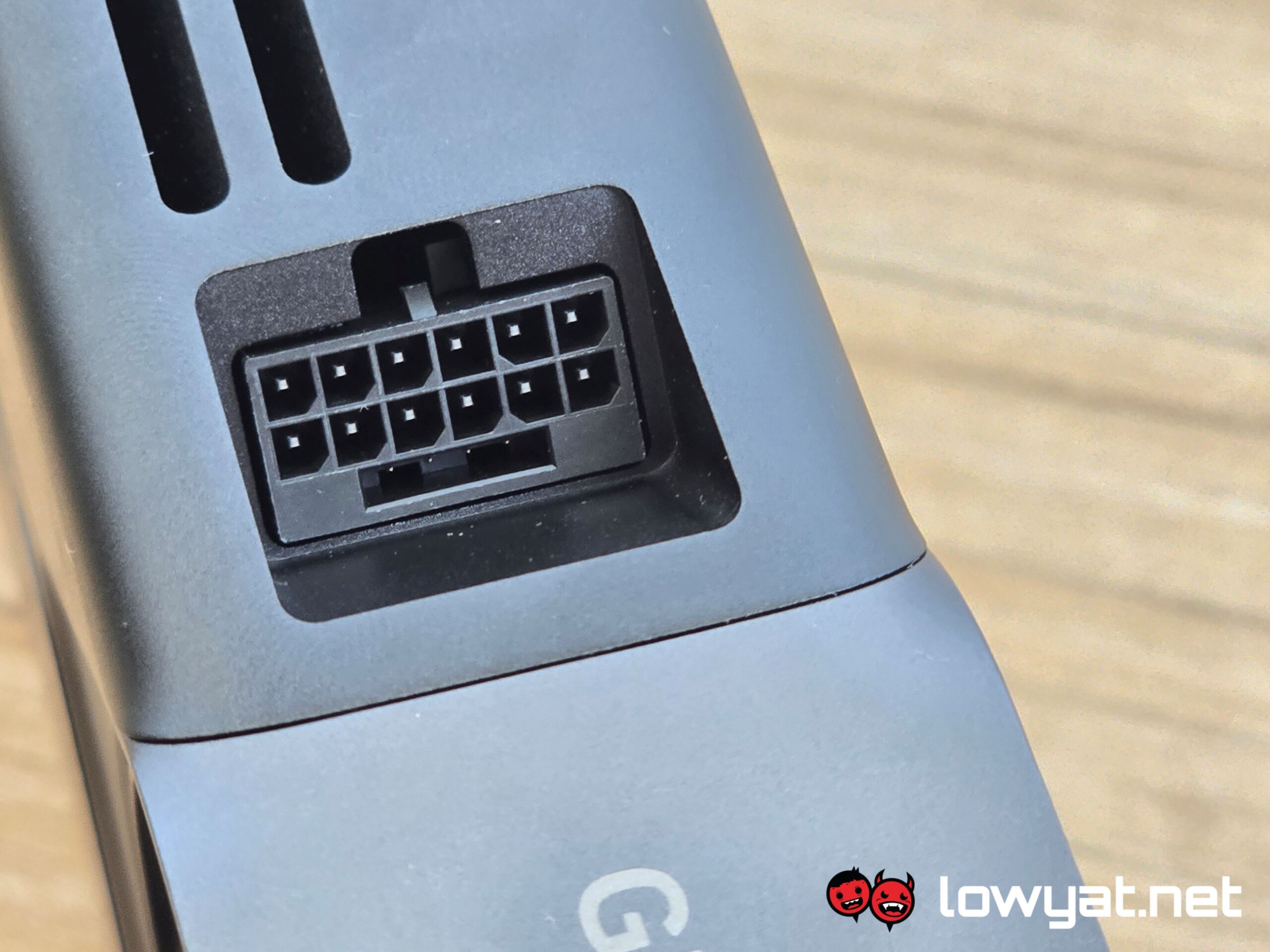
Current data suggests that consumer GeForce cards remain stable, with failure rates within historical norms. However, the high power draw of the 40-series and upcoming 50-series cards requires consumers to be more diligent than ever about power supply quality and cable management. The "12VHPWR" connector issues seen in early 4090 models served as a reminder that as power density increases, the risk of mechanical and electrical failure increases along with it.
Future Pricing Strategies
As NVIDIA allocates hundreds of millions of dollars to warranty reserves, these costs are inevitably factored into the MSRP of future products. Consumers may see higher prices not just because of performance gains, but because the "insurance" cost of providing a multi-year warranty on highly complex silicon is rising. To maintain profit margins while covering a $704 million liability pool, NVIDIA must optimize its pricing across all segments.
Actionable Conclusion: Navigating the New Hardware Landscape
The 1000% spike in NVIDIA’s warranty claims is a symptom of the company’s transition into a global AI powerhouse rather than a sign of failing quality. By moving into the high-stakes world of enterprise infrastructure, NVIDIA has embraced a business model where single-unit failures carry significant financial weight. For the global market, this means that while hardware is becoming more powerful, it is also becoming more expensive to support and protect.
As a user or investor, it is crucial to monitor these financial disclosures. They provide a roadmap of where the technology is heading and the hidden costs of the AI gold rush. Whether you are building a personal gaming rig or managing a server farm, prioritizing cooling and stable power is the best defense against hardware failure.
What has your experience been with modern GPU longevity? Have you noticed a shift in build quality over the last three years? Share your thoughts in the comments below or join the discussion on our social media channels.
Frequently Asked Questions
Does the 1000% increase mean NVIDIA cards are 10 times more likely to fail?
No. The percentage refers to the total dollar value of the warranty accruals, not the failure rate. This increase is primarily driven by the higher cost of enterprise AI chips and the massive increase in the volume of units sold globally.
How does this impact the warranty on my gaming GPU?
Currently, NVIDIA’s standard warranty policies for consumer GeForce cards remain unchanged. However, the company is likely to be more stringent with claim verifications as it manages its overall liability pool.
Are AI chips harder to repair than standard graphics cards?
Yes. AI accelerators like the H100 use advanced packaging and high-bandwidth memory that is often soldered or integrated in a way that makes individual component repair nearly impossible, often requiring a full board replacement.
Will this lead to higher prices for the NVIDIA 50-series?
While not confirmed, rising operational costs—including warranty reserves—are typically passed on to the consumer. The complexity of next-gen architectures will likely reflect these increased support costs in their final MSRP.
What is the biggest cause of hardware failure in modern GPUs?
Thermal stress remains the leading cause of failure. Operating GPUs at high temperatures for extended periods can lead to solder joint fatigue, capacitor degradation, and memory errors, regardless of whether the card is used for gaming or AI work.