Mega Crit Makes Slay the Spire 2 Beta Patches Official
April 17, 2026
•
subimpact team
•
0 comments
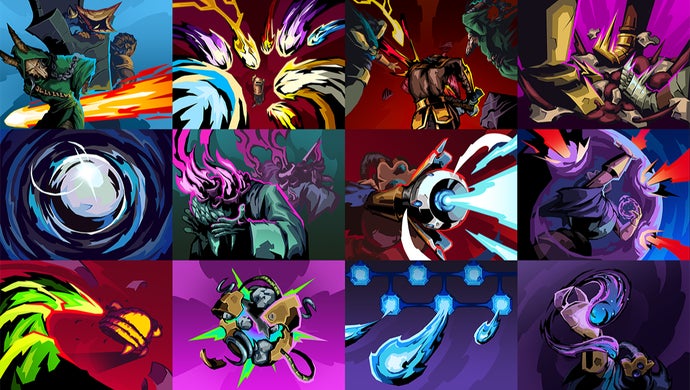
Mega Crit has officially solidified the trajectory of the roguelike deck-building genre by transitioning its extensive experimental branch into the stable live environment for its highly anticipated sequel. Mega Crit updates Slay the Spire 2 on PC. This indie strategy card game adds character reworks and side view single player content with new scoring systems. This deployment represents a month of intensive collaboration and data-driven "haggling" between the developers and the community, ensuring that the foundational mechanics of the sequel meet the high standards set by its predecessor. By prioritizing player feedback during this early stage, Mega Crit is establishing a development cycle that values balance and visibility over rapid, unchecked expansion.
The Evolution of Community-Driven Development
The transition from a beta patch to an official live update is rarely a simple technical migration; in the case of this sequel, it represents a fundamental refinement of the game's identity. Mega Crit has spent the last several weeks iterating on card values, relic interactions, and enemy patterns based on high-level play data. This process, which the developers jokingly referred to as "haggling," involved identifying which new mechanics were viewed as innovative and which were seen as detrimental to the established flow of the series. The result is a more polished experience that maintains the punishing yet fair difficulty curve that fans expect.
Refining Character Archetypes
One of the primary focuses of the recent update is the overhaul of character-specific mechanics. Early playtests revealed that certain card combinations were either prohibitively weak or unintentionally dominant, threatening the strategic diversity of the game. The latest changes have adjusted the scaling of core characters, ensuring that every run offers a viable path to victory regardless of RNG. These reworks extend beyond simple numerical tweaks, involving the replacement of underperforming cards with new utility options that better align with the sequel's expanded tactical depth.
Visual Fidelity and the Side-View Return
Perhaps the most visible change in this official update is the aesthetic refinement of the battlefield. During the early beta phases, experimentation with different camera angles and perspectives met with mixed reviews. The community expressed a strong preference for the classic side-on view that defined the original game's readability. Responding to this, Mega Crit has officially standardized the side-view perspective, providing a clearer view of enemy intentions and character animations. This change is not merely nostalgic; it serves a functional purpose in allowing players to quickly scan the screen for vital information during complex encounters.
Artistic Upgrades and Character Models
Accompanying the perspective shift is a suite of new art assets. The update introduces polished character models and environmental details that take advantage of the modern engine. Unlike the first game, which was built on LibGDX, the sequel utilizes the Godot engine, allowing for more fluid animations and sophisticated particle effects without sacrificing performance. These visual upgrades ensure that even as the screen becomes cluttered with status effects and intent icons, the high-contrast art remains legible, a critical requirement for a game where a single misread icon can lead to a failed run.
Implementing Advanced Scoring Systems
For competitive players and those seeking long-term replayability, the introduction of refined scoring systems is a major highlight. The new update formalizes how player performance is calculated at the end of each run. This system goes beyond simply tracking victory or defeat; it now accounts for specific strategic milestones, such as "Perfect" elite kills, speed-clearing floors, and maintaining high health percentages. These scores provide a benchmark for the community to compare runs and contribute to the meta-progression that keeps the player base engaged long after the initial novelty of the new cards has worn off.
Impact on the Competitive Meta
By standardizing the scoring system, Mega Crit is laying the groundwork for future leaderboards and daily challenges. In the original title, the "Daily Climb" was a staple for many players, and the sequel’s new scoring architecture suggests a more robust implementation of these social features. The focus on objective metrics allows for a more nuanced understanding of player skill, differentiating those who survive through luck from those who master the intricate synergies of the new card pools.
Pro Tip: When exploring the new character reworks, focus on the "Block" scaling mechanics. The current update has slightly nerfed passive mitigation in favor of active, card-based defense, making "Retain" and "Exhaust" synergies more valuable than ever in high-Ascension runs.
Technical Stability and Engine Performance
Moving the beta patches to the official branch also signifies a leap in technical stability. The transition to the Godot engine was a strategic move by Mega Crit following industry-wide discussions regarding software licensing, and this update proves the engine's capability in handling complex logic-heavy games. Players can expect faster load times and better compatibility across varying PC configurations. This stability is essential for an indie title that aims for a global reach, as it ensures that the game remains accessible to users without high-end gaming hardware.
Global Accessibility and Localization
While the current update focuses heavily on mechanics and art, it also sets the stage for broader localization efforts. Mega Crit has designed the UI to be modular, facilitating easier translation into multiple languages as the game nears full release. For the global audience, this means that the strategic nuances of the card descriptions will be preserved across different linguistic contexts, maintaining the game's high standard of clarity. The developers have ensured that the game scales well at different resolutions, supporting everything from standard 1080p monitors to ultra-wide setups used in professional workstations.
Conclusion: A New Benchmark for the Genre
The officialization of these beta patches demonstrates Mega Crit’s commitment to a transparent and responsive development process. By addressing character balance, reverting to a preferred visual style, and introducing competitive scoring systems, the studio has successfully navigated the difficult second act of a beloved franchise. The sequel is no longer just a collection of ideas; it is a cohesive, high-authority entry in the strategy genre that respects its roots while embracing modern technical standards. As the game continues its Early Access journey on PC, the foundation laid by this update suggests that the final product will be a worthy successor to the crown of roguelike deck-builders.
We invite you to share your experiences with the new character reworks. Have the changes to the side-view perspective improved your tactical planning, or do you miss the experimental camera angles? Leave a comment below and join the discussion on how these updates are shaping the future of the series.
Frequently Asked Questions
Is Slay the Spire 2 available on consoles yet?
Currently, Mega Crit is focusing on the PC version during the Early Access phase. While a console release is highly likely in the future based on the original game's history, no official dates for PlayStation, Xbox, or Nintendo Switch have been announced at this time.
What are the system requirements for the new update?
The game remains highly accessible. Most modern PCs with at least 4GB of RAM and an integrated graphics card can run the game smoothly. The shift to the Godot engine has optimized performance for older hardware while providing better support for high-resolution displays.
Will my save data from the beta branch carry over?
Yes, Mega Crit has designed the transition so that player progress, including unlocks and character levels from the experimental branch, should remain intact. However, as with all Early Access titles, it is recommended to keep a backup of your local save files during major version shifts.
How often does Mega Crit plan to release major updates?
While there is no fixed schedule, the developers have shown a pattern of monthly updates. Smaller "hotfixes" are released as needed to address bugs, while larger content drops involving new characters or acts are expected every few months as the game moves toward its 1.0 release.
Are there new characters in this update?
This specific update focuses on reworking the existing roster to ensure balance and synergy. While new characters like the Necrobinder have been introduced previously, this patch ensures that the core lineup is mechanically sound and visually polished before more experimental archetypes are added.