New DJI Osmo Pocket 4P Leak Reveals Dual Lens Setup
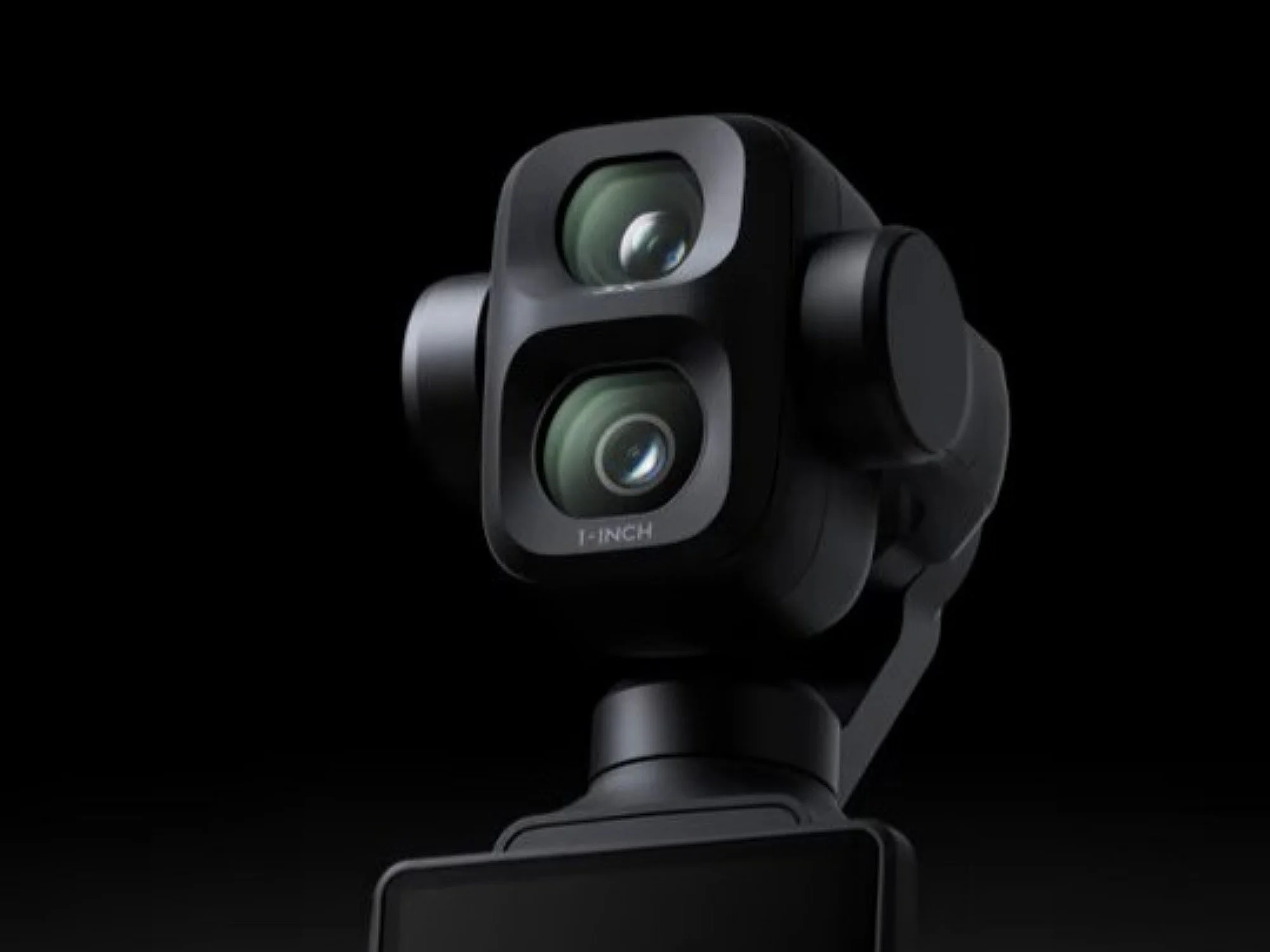
The landscape of handheld cinematography is experiencing a significant shift as leaked specifications suggest a major hardware upgrade for the industry's leading compact gimbal camera. Explore the latest Rumours & Leaks about the DJI osmo pocket 4p. This new entry in Digital Cameras features a dual-lens setup to enhance your Photography. This technological leap marks a departure from the single-sensor tradition of the series, aiming to provide professional-grade focal versatility in a pocket-sized form factor. By integrating dual optics, the manufacturer appears to be addressing the primary limitation of compact vlogging cameras: the lack of optical reach without compromising image quality or sensor size.
The Evolution of the Pocket Series: Entering the Professional Tier
The transition from the highly successful Pocket 3 to the rumored Pocket 4P suggests a rebranding strategy focused on professional performance. In the world of high-end imaging, the "P" designation typically refers to "Pro" or "Professional" capabilities, indicating that this device is not merely a replacement for the current model but a higher-tier alternative. Historically, DJI has utilized this nomenclature in its drone lineups, such as the Mavic and Air series, to distinguish between consumer-grade hardware and equipment designed for commercial or high-fidelity production. The shift to a dual-lens configuration is the most concrete evidence of this professional pivot, as it mirrors the hardware progression seen in flagship smartphones and premium aerial platforms.
Industry analysts suggest that the new model will likely retail in the range of $549 to $699, positioning it as a premium investment for serious content creators. While the Pocket 3 dominated the market with its 1-inch sensor, the addition of a secondary lens implies that users will no longer have to rely on digital crop or external wide-angle attachments to change their field of view. This hardware-based solution ensures that image clarity remains consistent across different focal lengths, a critical requirement for professional color grading and high-resolution output.
Analyzing the Dual-Lens Configuration
The most discussed aspect of the leak is how DJI will implement two lenses on a three-axis mechanical gimbal. Traditional gimbals are precision-balanced for a specific weight distribution; adding a second lens assembly requires a complete redesign of the motor torque and stabilization algorithms. Experts anticipate a setup consisting of a primary wide-angle lens—likely carrying over the acclaimed 1-inch sensor for low-light performance—and a secondary medium-telephoto lens. This telephoto lens would allow creators to capture "talking head" shots with more natural compression and better subject isolation, which is a significant advantage for documentary and interview-style content.
The integration of two lenses suggests a seamless transition system similar to that found in the DJI Mavic 3. Users could potentially toggle between a 20mm equivalent wide-angle for scenic shots and a 50mm or 70mm equivalent for cinematic close-ups. This versatility effectively doubles the utility of the device, making it a viable primary camera for travel filmmakers who previously had to carry multiple bodies or interchangeable lenses to achieve the same variety of shots.
Technical Implications and Image Processing
With dual lenses comes the need for a more powerful image signaling processor (ISP). Processing two high-bitrate streams simultaneously, or even switching between them without frame drops, requires significant computational overhead. The Pocket 4P is expected to feature a new generation of silicon capable of handling 4K video at 120 frames per second on both sensors. Furthermore, the rumors point toward enhanced AI integration for subject tracking and autofocus. With two lenses, the device could potentially use "Depth Map" data to improve ActiveTrack 7.0, providing even more reliable focus on moving subjects in complex environments.
Color consistency is another major hurdle that DJI seems to have addressed. When switching between lenses, it is vital that the color profile, white balance, and dynamic range remain identical. The leak suggests that both sensors will support 10-bit D-Log M and HLG (Hybrid Log-Gamma), ensuring that professional editors can maintain a cohesive look across an entire project. This level of technical synergy is what separates high-authority digital cameras from standard consumer electronics.
Global Compatibility and Connectivity
Designed for a global audience, the Pocket 4P is expected to adhere to international broadcasting standards, offering selectable frame rates for NTSC and PAL regions. Connectivity is also receiving a boost, with rumors of Wi-Fi 7 integration for faster wireless offloading of large video files. For professionals working in the field, the ability to quickly transfer 10-bit footage to a mobile device for immediate editing and distribution is a game-changer. The device will also likely feature a standard USB-C 3.2 port, compatible with universal power delivery systems and external microphones, ensuring it fits perfectly into existing gear bags regardless of the user's home country or ISP restrictions.
Pro Tip: To maximize the cinematic potential of a dual-lens gimbal, always use ND filters that are specifically calibrated for both lens apertures. Maintaining a consistent shutter speed across focal lengths is essential for achieving professional motion blur when switching from wide to telephoto shots.
Ergonomics and Design Refinements
The physical footprint of the Pocket 4P must remain "pocketable" to live up to its name. Leaked renders suggest a slightly wider gimbal head to accommodate the dual-lens array, but the handle remains slim. The rotating OLED screen, which was the standout feature of the predecessor, is expected to return with higher peak brightness—potentially reaching 1,500 nits—to ensure visibility in harsh sunlight. This is particularly important for outdoor photographers and travelers who operate in varying climates, from the bright snow of the Alps to the tropical sun of Southeast Asia.
Battery life is another area of expected improvement. High-resolution dual-lens recording is energy-intensive. Rumors suggest a higher-density battery cell that could provide up to 180 minutes of continuous recording. Additionally, the fast-charging capabilities are expected to be refined, allowing the device to reach an 80% charge in under 20 minutes using standard $20 to $30 PD-certified chargers. This focus on efficiency ensures that the camera remains a reliable tool for all-day shooting sessions.
Final Verdict on the Leak
While DJI has not yet officially confirmed these specifications, the consistency of the leaks from reliable industry sources suggests that the Pocket 4P is a real and imminent product. The move to a dual-lens setup is a logical progression that aligns with the needs of modern creators who demand more than just wide-angle stabilization. If these rumors hold true, the Pocket 4P will likely become the definitive tool for solo content creators, travel vloggers, and professional videographers looking for a high-performance B-cam. The combination of portability, focal versatility, and professional color science makes it a formidable entry in the digital camera market for 2026.
We invite you to join the conversation. What are your thoughts on a dual-lens handheld gimbal? Would this replace your current mirrorless setup for vlogging, or do you prefer the simplicity of a single lens? Share your experiences and expectations in the comments below.
Frequently Asked Questions
Is the DJI Pocket 4P compatible with older accessories?
While the charging cables and certain tripod mounts will remain compatible due to the universal nature of the USB-C and 1/4-inch thread standards, lens-specific accessories like ND filters and wide-angle converters from the Pocket 3 will likely not fit the new dual-lens housing.
What is the expected release date for the DJI Pocket 4P?
Based on previous product cycles and the timing of these leaks, industry insiders anticipate a global launch in the first half of 2026. However, official announcements are typically made only a few weeks prior to shipping.
Will the dual-lens setup improve low-light photography?
The primary 1-inch sensor is expected to maintain or improve its low-light performance. The dual-lens setup specifically enhances focal versatility, but the increased processing power should also result in better noise reduction algorithms for both lenses in dark environments.
Can the Pocket 4P record vertical video natively?
Yes, the device is rumored to retain the physical rotating screen and gimbal orientation features that allow for native 9:16 vertical recording, making it ideal for social media platforms like TikTok and Instagram without losing resolution.
Does the "P" mean there won't be a standard Pocket 4?
It is currently unclear if DJI will release a standard version alongside the "P" model. It is possible that the Pocket 4P serves as the premium flagship, while the Pocket 3 remains in the lineup as a more budget-friendly option for casual users.