Malaysia EV Charging Network Issues During Hari Raya
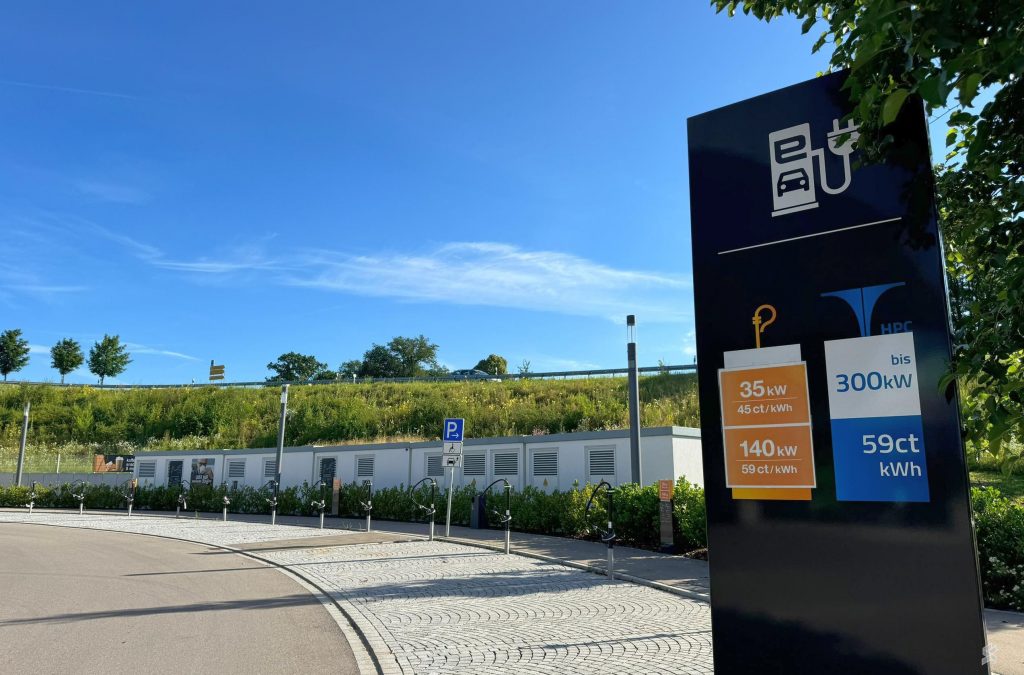
The transition to electric mobility faces its most significant hurdle during peak seasonal travel, where infrastructure stress tests often reveal systemic vulnerabilities in charging networks. Is Malaysia's EV network broken? Hear our opinions on the DC charger and EV charger issues during Hari Raya in this Lets Talk About episode on Raya travel. This assessment highlights the critical gap between rapid vehicle adoption and the lagging deployment of reliable, high-speed charging stations during periods of extreme demand.
The Structural Challenges of Seasonal Peak Demand
The primary issue facing emerging EV markets is the inability of existing infrastructure to handle surge capacity. During major holidays like Hari Raya, traffic volume on arterial highways increases by orders of magnitude. While internal combustion engine vehicles can refuel in minutes, EVs require significantly longer dwell times at charging bays. This fundamental difference in energy replenishment speed means that even a minor increase in EV road presence can lead to catastrophic bottlenecks at charging hubs.
When thousands of motorists head to rural areas or ancestral homes, the concentration of vehicles shifts from urban centers with robust infrastructure to interstate highways and remote regions where DC fast chargers are sparse. In many instances, the charging density is insufficient to support more than a handful of vehicles per hour. This creates a ripple effect where a single offline charger can cause a queue that lasts for several hours, effectively stranding travelers and souring the consumer perception of electric transit.
Reliability and the Uptime Crisis
One of the most frequent complaints during high-traffic periods is the non-functional state of existing hardware. A DC fast charger is a complex piece of power electronics exposed to varying climates and heavy usage. Without a rigorous maintenance schedule, these units are prone to thermal throttling or complete software lockouts. In the context of global EV standards, an uptime of 99% is considered the benchmark for reliability. However, many networks currently struggle to maintain even 90% uptime during peak windows.
The problem is exacerbated by a lack of real-time data transparency. Travelers often rely on mobile applications to check charger availability, only to arrive and find the unit "ghosting"—appearing online in the app while being physically broken or occupied by a non-electric vehicle. For a global audience, this highlights the necessity for standardized communication protocols between charging hardware and central management systems to ensure that users have accurate, up-to-the-minute information before they commit to a detour.
Economic and Technical Bottlenecks in Infrastructure Growth
Expanding a charging network is not merely a matter of installing more pedestals. It requires significant investment in the electrical grid. Many highway rest stops were originally designed with power capacities sufficient only for lighting and basic retail operations. Upgrading these locations to support multiple 180kW or 350kW DC fast chargers requires the installation of new substations and high-tension cabling, which can cost upwards of $100,000 to $250,000 per site.
Charge Point Operators (CPOs) must balance these high capital expenditures with a return on investment that remains uncertain. In many regions, electricity pricing is regulated, and during peak periods, demand charges—fees paid to the utility based on the highest level of power drawn—can eliminate the profit margin of a charging session. To solve this, some operators are looking into Battery Energy Storage Systems (BESS). These systems store energy during low-demand periods and discharge it during peak times, reducing the strain on the grid and lowering operational costs, though they add another layer of capital intensive technology to the site.
The Role of User Behavior and Etiquette
Technological failures are only one half of the equation; user behavior plays a significant role in network efficiency. "Charging anxiety" often leads drivers to charge their vehicles to 100%, even when they only need 80% to reach their destination. Because the charging curve of a lithium-ion battery slows down significantly after 80%, the final 20% can take as long as the first 80%. This inefficient use of a high-speed charger prevents other users from accessing the plug.
Furthermore, the issue of "ICEing"—where internal combustion engine vehicles park in dedicated EV spots—remains a global nuisance. Without strict enforcement or physical barriers, the most strategically placed chargers become inaccessible. Some jurisdictions have begun implementing fines or towing policies, but during peak travel seasons, enforcement is often deprioritized in favor of traffic flow management, leaving EV drivers with few options.
Pro Tip: To maximize efficiency during long-distance travel, prioritize charging in the 10% to 80% range. Beyond 80%, the charging speed drops significantly, making it more time-effective to stop briefly at a second station later in your journey than to wait for a full 100% charge at one location.
Strategic Solutions for a Robust EV Future
To prevent a repeat of the infrastructure failures seen during recent holiday travels, a multi-pronged approach is required. Governments and private sectors must collaborate to treat EV charging as a matter of national infrastructure rather than a niche retail service. This includes providing subsidies for grid upgrades and implementing "right to charge" laws that streamline the permitting process for new installations.
Interoperability is another critical factor. Currently, many drivers must manage a dozen different apps and payment gateways to access various networks. A global shift toward "Plug & Charge" technology (ISO 15118) and mandatory credit card readers at charging stations would remove the friction from the user experience. When the barrier to entry is lowered, the efficiency of the entire network increases, as drivers spend less time troubleshooting apps and more time moving toward their destinations.
Standardizing Maintenance and Reporting
Regulatory bodies should mandate minimum uptime requirements for any CPO receiving government incentives. If a charger is offline for more than a specified period, the operator should face penalties. Additionally, a centralized, open-source database for charger status would allow third-party navigation tools to route drivers more effectively, spreading the load across the network rather than funneling everyone toward a single, over-burdened location.
Conclusion: The Path Forward
The challenges faced during high-traffic periods are a growing pain of a nascent industry. While the current state of infrastructure may feel inadequate during peak demand, these failures provide the necessary data to build a more resilient system. By focusing on grid stability, hardware reliability, and standardized user experiences, the transition to electric transport can move from a precarious experiment to a dependable reality for all travelers.
What has been your experience with long-distance EV travel during peak seasons? Have you encountered broken chargers or extreme queues? Share your thoughts and help us map out the future of global EV mobility.
Frequently Asked Questions
Why do DC fast chargers fail so often during hot weather or high usage?
DC fast chargers generate significant heat during the conversion of AC power from the grid to the DC power required by the battery. During high-usage periods in warm climates, the cooling systems within the charging units can become overwhelmed, leading to thermal throttling—where the charging speed is reduced to protect the hardware—or a complete system shutdown to prevent permanent damage.
Can any electric vehicle use any DC fast charger?
While most modern EVs use standardized connectors like CCS2 (in Europe and much of Asia) or NACS (in North America), software compatibility and payment processing can still vary. However, the industry is moving toward universal compatibility to ensure that any driver can use any station regardless of the vehicle brand or charging network provider.
Is it better to use a slow charger (AC) or a fast charger (DC) for battery health?
For daily use, AC charging is generally better for long-term battery health as it produces less heat and stress on the battery cells. DC fast charging is essential for long-distance travel, but frequent, exclusive use of high-speed charging can lead to slightly faster battery degradation over several years. Most manufacturers recommend a balance of both for optimal performance.
What should I do if I arrive at a charging station and all units are broken?
Always maintain a safety margin of at least 15-20% battery charge when reaching a station. If a station is offline, use an aggregator app to find the nearest alternative. It is also recommended to report the outage within the operator's app to ensure their maintenance team is alerted and other drivers are warned through the real-time status updates.