KAZ Is a Fast Addictive Arcade Roguelike You Need to Play
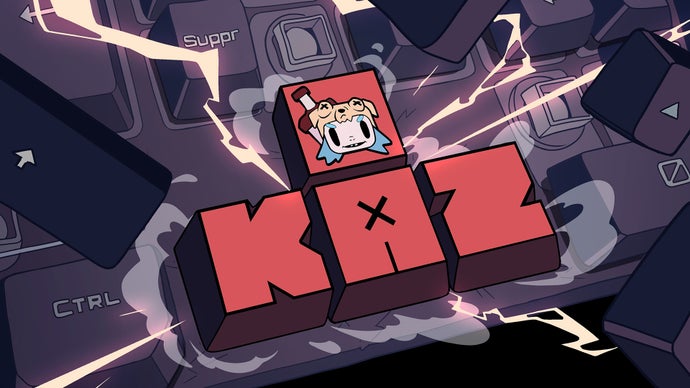
The modern indie gaming market has witnessed a resurgence of high-intensity titles that prioritize mechanical skill and rapid decision-making over complex narrative structures. Discover why KAZ is the must-play arcade roguelike for PC. This indie title offers intense gameplay that might break your keys but keeps you coming back. By stripping away the bloat found in many contemporary releases, this game delivers a concentrated dose of adrenaline that resonates with fans of classic arcade shooters and modern roguelike progression systems alike. Players seeking a digital trial by fire will find that this title stands out as a testament to the power of tight, responsive controls and a punishing yet rewarding difficulty curve.
The Evolution of the High-Speed Arcade Roguelike
KAZ represents a significant pivot in the roguelike genre, moving away from the slower, tactical pacing of traditional turn-based dungeon crawlers toward a more kinetic, action-oriented experience. This shift reflects a broader trend in the PC gaming industry where "bullet heaven" and "bullet hell" mechanics are being integrated into procedural loops to maximize player engagement. The game centers on a simple premise: survive, destroy, and evolve. However, the execution of this premise is where the title truly shines, offering a level of input density that is rarely seen outside of competitive fighting games or high-level rhythm titles. This physical demand on the player creates a unique bond between the user and the software, where every victory feels earned through genuine dexterity.
Input Density and Physical Engagement
One of the most striking features of this arcade experience is the sheer volume of commands required per minute. Unlike many modern games that automate certain processes to assist the player, this title demands constant, precise movement. The "key-breaking" reputation of the game stems from its reliance on rapid directional shifts and micro-adjustments. This level of physical engagement serves a dual purpose: it heightens the stakes of every encounter and creates a flow state that is difficult to break. For global audiences used to the varying quality of indie ports, the optimization here is noteworthy; the responsiveness of the character remains fluid regardless of the hardware configuration, ensuring that a player's failure is always a result of their own skill rather than technical latency.
The Roguelike Progression Loop
While the immediate gameplay is rooted in arcade sensibilities, the long-term hook is firmly planted in roguelike traditions. Each run provides opportunities for power-ups and environmental modifiers that fundamentally change how a player approaches a given wave. This procedural generation ensures that no two sessions feel identical, which is critical for a game that emphasizes repetition. The balance between permanent upgrades and run-specific buffs is handled with professional precision, allowing players to feel a sense of growth even after a crushing defeat. This design philosophy caters to the "just one more round" psychology that defines the most successful entries in the genre.
Visual Minimalism and Performance Optimization
In an era where many developers focus on high-fidelity graphics that can strain mid-range hardware, this title opts for a clean, minimalist aesthetic. This choice is not merely stylistic but functional. By utilizing a clear visual language, the game ensures that players can track multiple projectiles and enemies simultaneously without the screen becoming a muddled mess of particle effects. This clarity is essential for a game operating at such high speeds. Furthermore, the low overhead of the graphics engine means the game is accessible to users with varying PC specs, making it a viable option for those on older laptops or budget-friendly home office setups. The global appeal of such optimization cannot be overstated, as it removes the financial barrier to entry for high-performance gaming.
Sound Design as a Gameplay Mechanic
The auditory experience is equally calculated. Sound cues in this roguelike are not just atmospheric; they are instructional. Certain enemy types and incoming projectiles have distinct audio signatures that allow experienced players to react to threats even before they appear on the screen. This level of sound engineering elevates the title from a simple twitch-shooter to a more sensory-integrated experience. The soundtrack, a pulsing electronic score, matches the tempo of the gameplay, effectively acting as a metronome for the player's movements. This synergy between sight and sound is a hallmark of world-class game design.
Pro Tip: To maximize the lifespan of your hardware while playing high-intensity arcade titles, consider mapping directional controls to a mechanical keyboard with high-durability switches or utilizing a high-polling rate controller. Reducing the physical force applied to the keys can prevent fatigue and hardware failure during extended sessions.
Information Gain: The Psychology of "Key-Breaking" Difficulty
Why do players gravitate toward games that threaten their hardware and their patience? The answer lies in the dopamine reward system associated with overcoming high-friction obstacles. In the context of this indie gem, the difficulty is not "artificial" (inflated health bars or unavoidable damage); it is "mechanical." Every obstacle can be avoided with perfect play. This creates a high skill ceiling that encourages mastery. From a global perspective, this type of gameplay transcends language barriers. You do not need to read a complex manual to understand the threat of a red projectile or the benefit of a glowing power-up. This universal design language makes it an ideal candidate for international gaming communities looking for the next competitive benchmark.
Global Compatibility and Market Position
Positioned as a budget-friendly indie title, typically retailing for under $10.00 USD, it offers immense value compared to AAA titles that often prioritize cinematic fluff over core mechanics. Its small install size makes it compatible with various internet service providers (ISPs) globally, including those in regions with data caps or slower bandwidth speeds. Furthermore, the game is designed to work seamlessly with various input methods, from standard QWERTY keyboards to specialized gamepads, ensuring that players in different gaming cultures can compete on a level playing field. It is a lean, mean, arcade machine that respects the player's time and money.
The Final Verdict on KAZ
This title is a masterclass in focused game design. It identifies exactly what makes arcade games fun—speed, challenge, and feedback—and marries those elements to a modern progression system. While the intensity may indeed put your keyboard through its paces, the satisfaction of clearing a difficult wave is unparalleled in the current indie scene. Whether you are a veteran of the 80s arcade era or a newcomer looking for a high-octane challenge, this title is an essential addition to your digital library. We invite you to share your high scores and hardware survival stories in the comments below.
Frequently Asked Questions
What are the minimum system requirements for KAZ?
The game is designed to be highly accessible, requiring only a basic dual-core processor and integrated graphics. Most modern PCs and laptops sold within the last five years will run the game at a stable frame rate without issue.
Does the game support gamepads or only keyboards?
While the source material highlights the intensity of keyboard play, the game offers full controller support. Using a gamepad may help alleviate some of the physical strain associated with the rapid directional changes required during high-level play.
How much does KAZ cost in USD?
KAZ is typically priced as a budget-tier indie title, often appearing on digital storefronts for approximately $4.99 to $9.99 USD, depending on current sales and regional pricing adjustments.
Is there a permanent progression system?
Yes, the game features a meta-progression system that allows you to unlock new characters, starting abilities, and permanent stat boosts using currency earned during your individual runs.
Is this game suitable for casual players?
While the difficulty curve is steep, the short duration of each round makes it ideal for casual "pick-up-and-play" sessions. However, the game is best suited for those who enjoy challenging gameplay and mechanical mastery.