iPhone Fold Casing Leak Hints at Missing MagSafe
April 20, 2026
•
0 comments
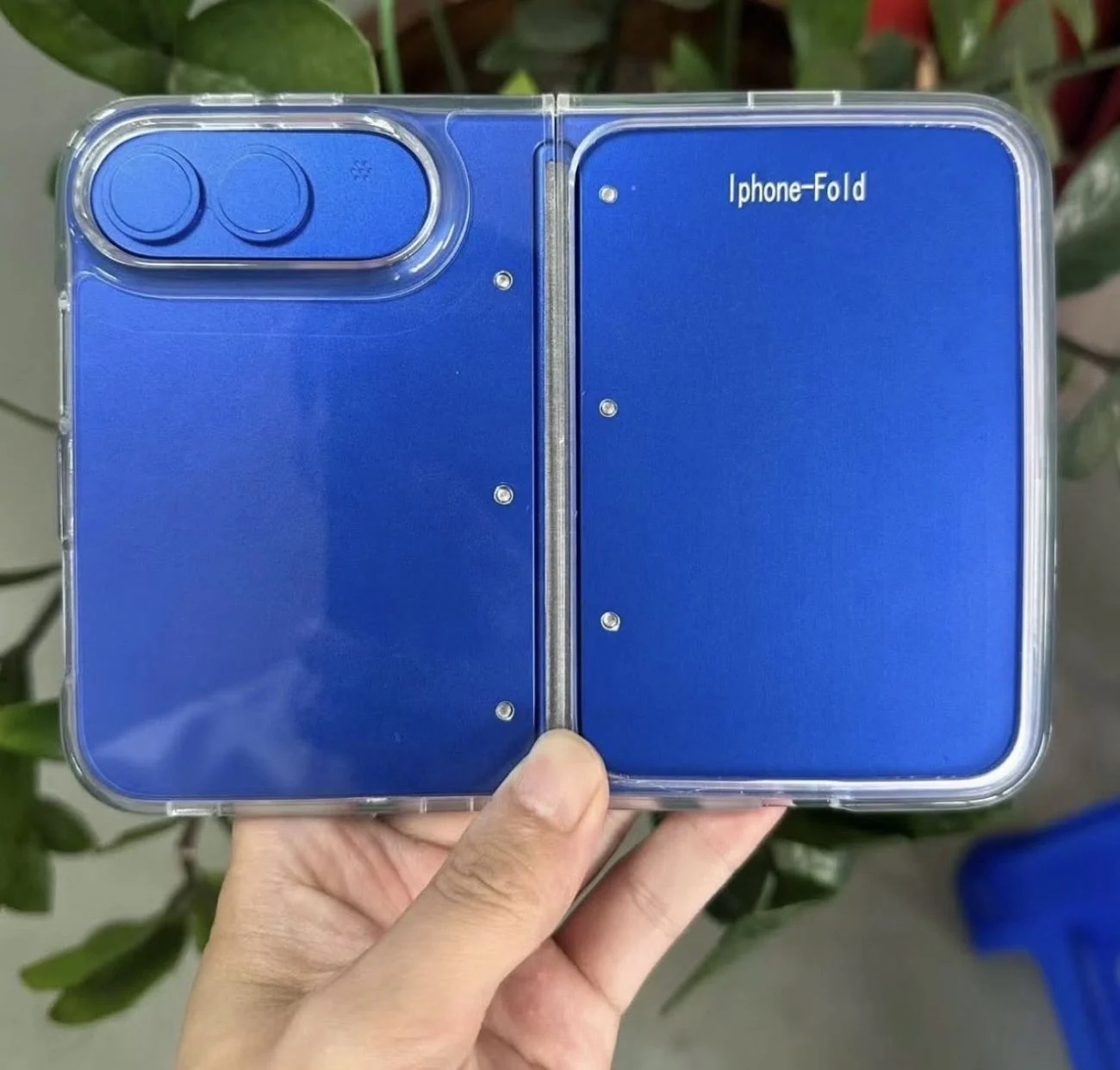
Apple's entry into the foldable smartphone market represents a pivotal shift in the company’s hardware philosophy, emphasizing durability and form factor over legacy accessory compatibility. New iPhone Fold casing leaks suggest Apple might skip MagSafe charging for its first foldable. Dive into these latest rumours & leaks to see what is coming. This potential omission indicates that the engineering constraints of a dual-screen device may have forced Apple to prioritize internal space and hinge reliability over the magnetic charging system that has become a staple of the iPhone ecosystem since 2020. While the lack of magnetic alignment might frustrate power users, the trade-off likely allows for a thinner profile and a more robust mechanical structure.
Analyzing the Leaked Casing and Physical Architecture
The leaked images of what is purported to be the first-generation iPhone Fold protective case provide a detailed look at the device's likely dimensions. Unlike the slab-style iPhone 16 Pro, this casing suggests a footprint similar to the Samsung Galaxy Z Fold series, featuring a tall, narrow external display and a wider internal canvas. The most striking detail, however, is the smooth back panel of the case, which notably lacks the circular indentation and magnet array typically found in MagSafe-compatible accessories.
Structural Constraints of the Folding Design
Engineering a foldable device requires managing two distinct halves connected by a complex hinge mechanism. In a traditional iPhone, the MagSafe magnets are positioned directly behind the rear glass, centered on the wireless charging coil. In a foldable, the internal components are split. If Apple intends to make the device as thin as possible to compete with rivals like the Google Pixel 9 Pro Fold or the Honor Magic V3, the additional millimeter required for the MagSafe magnet array might have been deemed too costly.
Heat Dissipation and Battery Placement
Another factor in the potential removal of MagSafe is thermal management. Foldable phones often utilize a split-battery design, with a cell in each half of the chassis. Positioning a high-wattage wireless charging coil with magnetic alignment creates localized heat. In a folding chassis where air gaps are minimal and components are packed with extreme density, managing the heat generated by MagSafe could compromise the longevity of the flexible OLED panel.
The Impact on the MagSafe Ecosystem
Since its reintroduction with the iPhone 12, MagSafe has grown into a multi-billion dollar secondary market for Apple. From wallets and battery packs to car mounts and photography rigs, the ecosystem relies on the standard 15W magnetic connection. If the iPhone Fold launches without these magnets, it would represent a significant fragmentation of Apple’s accessory strategy.
Compatibility with Universal Wireless Standards
While the magnets might be missing, it is highly improbable that Apple would abandon wireless charging entirely. The device will likely still support the Qi2 standard, which is the industry's attempt to standardize magnetic charging. However, if the casing leaks are accurate, the physical magnets might be relocated or weakened, making current heavy-duty MagSafe mounts unusable. Users may need to rely on horizontal charging pads or specialized clamps rather than the "snap-on" convenience they have grown accustomed to.
USB-C and Wired Charging Priority
Given the high power demands of a large internal folding screen, Apple may lean into faster wired charging via USB-C. With the transition to USB-C now complete across the iPhone 15 and 16 lineups, the iPhone Fold is expected to support high-speed data transfer and rapid charging, potentially reaching speeds that far exceed the 15W limitations of MagSafe, making the wired connection the preferred method for professional users.
Pro Tip: If you are planning to invest in high-end MagSafe accessories today, consider their resale value or alternative uses. The shift toward foldable technology often necessitates a total refresh of peripheral hardware, and early adopters should expect a transition period where standard mounts may not be compatible with the new form factor.
Expected Technical Specifications and Pricing
The rumors surrounding the iPhone Fold, currently anticipated for a 2026 release, suggest a device that sits at the absolute top of the Apple price hierarchy. Industry analysts suggest a starting price point in the range of $1,499 to $1,999, placing it squarely as a luxury productivity tool rather than a mass-market consumer device.
Display Technology and the "Crease" Problem
Apple is reportedly working with LG and Samsung Display to develop a folding panel that minimizes the visible crease. Utilizing a "chemical thickening" process on the ultra-thin glass (UTG), Apple aims to provide a tactile experience that feels closer to rigid glass than the plastic-like feel of early foldables. The internal display is rumored to be approximately 8 inches, while the external display will likely mirror the 6.1-inch experience of the standard iPhone models.
The M-Series or A-Series Chipset?
There is ongoing debate regarding whether the iPhone Fold will utilize a Pro-level A-series chip or a modified M-series chip found in the iPad Pro. Given the multitasking capabilities required for a tablet-sized foldable, an M-series chip would allow for "Stage Manager" support, enabling a true desktop-class experience on a pocketable device.
Why Apple is Taking a Slow Approach
While competitors are already on their sixth generation of foldables, Apple’s hesitation is rooted in its "best, not first" philosophy. The company rarely enters a category until the underlying technology meets its strict standards for durability. The leaked casing suggests that Apple is currently in the late-stage prototyping phase, where they are weighing the trade-offs between legacy features like MagSafe and the structural requirements of a folding hinge.
Actionable Conclusion
The potential absence of MagSafe in the upcoming iPhone Fold highlights the massive engineering hurdles Apple faces in redefining the smartphone. While the loss of magnetic convenience is a setback for accessory fans, the focus on a thinner, more durable folding mechanism is a necessary step for the product's long-term success. As we move closer to the 2026 launch window, we expect more clarity on how Apple plans to bridge the gap between its current accessories and this new era of hardware.
What are your thoughts on a foldable iPhone without MagSafe? Would the lack of magnetic accessories be a dealbreaker for you, or is the larger screen worth the sacrifice? Share your thoughts in the comments below.
Frequently Asked Questions
Will the iPhone Fold be compatible with existing iPhone cases?
No. Due to the folding hinge and dual-screen design, the iPhone Fold will require specialized two-piece cases or wraparound covers. It will not fit into any existing standard iPhone 15 or 16 cases.
When is the official release date for the Apple foldable?
While Apple has not officially confirmed the product, supply chain leaks and analyst reports from Ming-Chi Kuo and Ross Young point toward a late 2025 or early 2026 release window.
What will the iPhone Fold cost in the United States?
Estimated pricing for the base model is expected to start between $1,499 and $1,799. This reflects the high cost of the folding OLED panels and the complex hinge assembly.
Will the iPhone Fold support the Apple Pencil?
There are strong rumors that Apple is testing a version of the Apple Pencil for the foldable display. However, this would require a significantly harder screen surface to prevent the stylus from damaging the flexible panel.
Is the lack of MagSafe confirmed?
No, these insights are based on leaked third-party casing designs. While these leaks are often accurate indicators of final hardware dimensions, Apple could still modify the design to include a slimmed-down version of MagSafe before mass production.