Intel Nova Lake-S May Feature 12 Xe3p Graphics Cores
April 14, 2026
•
subimpact team
•
0 comments
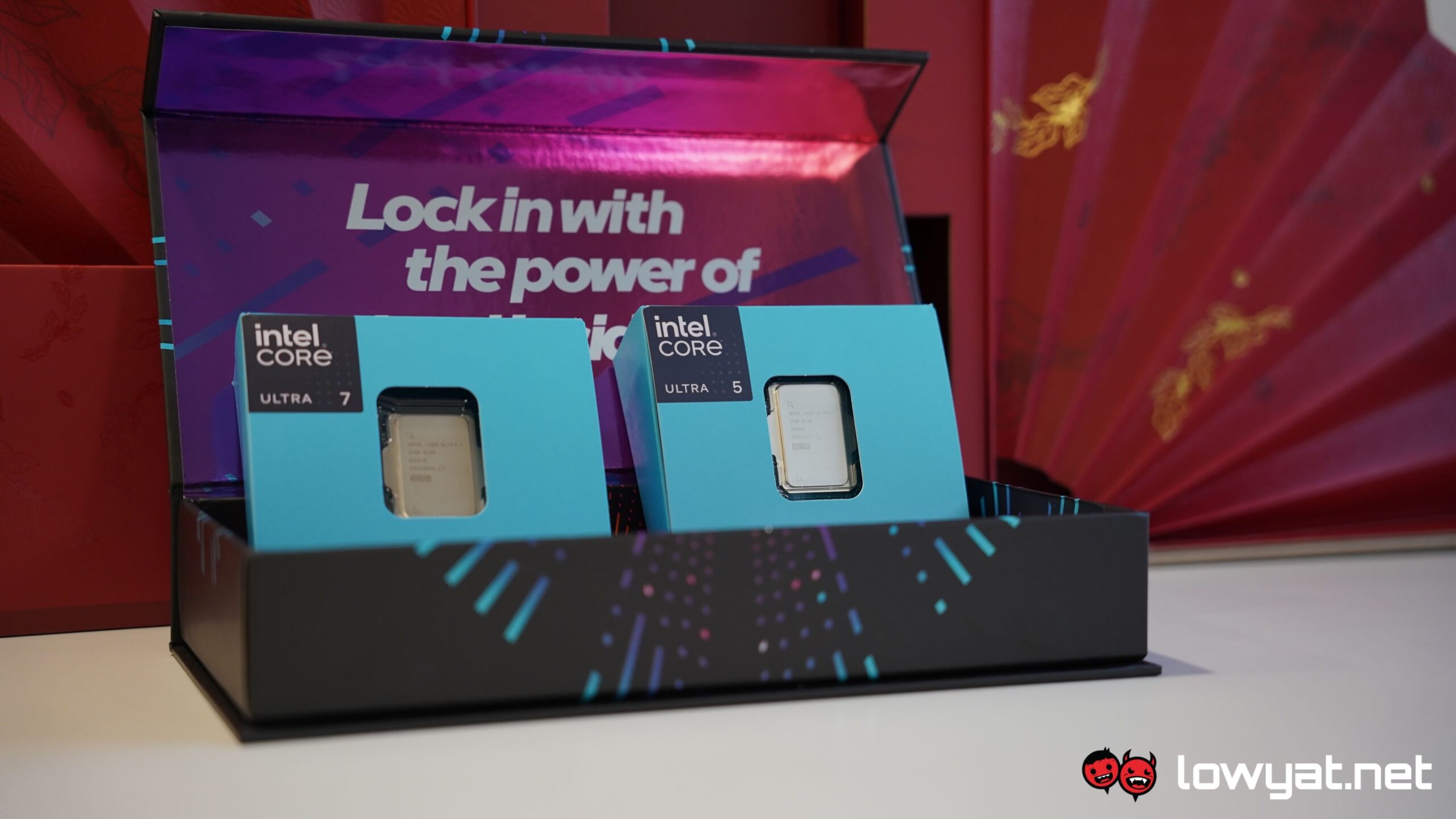
Intel is redefining the expectations for desktop computing efficiency with its next-generation silicon roadmap. New Intel Rumours & Leaks hint at Nova Lake-S processors featuring 12 xe3p graphics cores. Discover how this potential GPU upgrade could impact desktop power. This development marks a significant departure from previous generations where integrated graphics were often secondary to raw CPU throughput, signaling a new era where the integrated GPU (iGPU) becomes a primary selling point for the mainstream desktop market.
The Evolution of Desktop Graphics Architecture
The shift toward more robust integrated graphics is not merely a trend but a strategic necessity in the current hardware landscape. Intel’s architectural journey has transitioned from the basic UHD graphics of previous decades to the more capable Iris Xe and recent Arc-based tiles. With Nova Lake-S, Intel is expected to utilize the Xe3 architecture, codenamed Celestial. This architecture succeeds the Xe2 Battlemage lineup, promising significant instructions-per-clock (IPC) gains and better power scaling across various workloads.
By integrating 12 Xe3p cores—where the "p" likely denotes performance-optimized iterations—Intel is positioning Nova Lake-S to handle modern gaming at 1080p and intensive creative tasks without the immediate need for a discrete graphics card. This is particularly relevant for the global market, where the cost of entry for mid-range GPUs can often exceed $300 to $400, making a powerful iGPU an attractive value proposition for budget-conscious builders and enterprise environments.
Breaking Down the 12 Xe3p Core Count
Historically, Intel’s desktop "S" series processors have featured a limited number of graphics execution units compared to their mobile counterparts. For instance, while mobile chips were optimized for battery life and integrated performance, desktop chips usually prioritized high clock speeds and core counts for the CPU, assuming the user would install a dedicated GPU. The rumor of a 12-core configuration for Nova Lake-S suggests a 50% increase over the 8-core configurations seen in high-end mobile designs, effectively bridging the gap between integrated and entry-level dedicated hardware.
Impact on Small Form Factor and Professional Workstations
The implications of enhanced iGPU power extend far beyond casual gaming. For professional environments, particularly home offices and creative studios, the ability to drive multiple 4K displays or handle 4K video encoding via Intel’s QuickSync technology is paramount. A 12-core Xe3p setup provides ample overhead for hardware-accelerated video editing and AI-driven background tasks, which are becoming standard in modern software suites.
Furthermore, the Small Form Factor (SFF) community stands to gain the most. Builders often struggle to fit high-performance cooling and large GPUs into compact chassis. A Nova Lake-S processor with high-tier integrated graphics allows for incredibly powerful workstations in enclosures smaller than five liters. This compatibility with compact builds makes it an ideal choice for varying climates and workspace constraints where bulky towers are impractical.
The Role of AI and Neural Processing
With the industry's massive pivot toward Artificial Intelligence, the graphics cores in Nova Lake-S will likely do more than just render pixels. The Xe3 architecture is designed to work in tandem with the onboard Neural Processing Unit (NPU) to accelerate AI workloads. Whether it is local Large Language Models (LLMs) or real-time image upscaling, the 12 Xe3p cores provide a wider parallel processing path. This synergy ensures that the desktop remains a high-performance hub for AI development and deployment without relying solely on cloud-based processing.
Pro Tip: When planning a build around next-generation integrated graphics like those rumored for Nova Lake-S, prioritize high-speed DDR5 or future DDR6 memory. Integrated GPUs share system memory, so faster RAM bandwidth directly translates to higher frame rates and smoother multitasking performance.
Comparative Market Positioning
The competition in the high-performance APU (Accelerated Processing Unit) space has traditionally been dominated by AMD. However, Intel’s aggressive push with the Xe architecture suggests they are looking to recapture that segment. By offering 12 Xe3p cores, Intel is targeting a specific niche: users who require high CPU performance but only moderate GPU power. This includes data analysts, software developers, and educators who benefit from the stability of the Intel platform while gaining the graphical horsepower needed for modern visualization tools.
From a global perspective, this move helps stabilize the total cost of ownership for high-end PCs. In regions where discrete GPU taxes and shipping costs are high, a processor that can "do it all" becomes a centerpiece for the mainstream market. It simplifies the supply chain for major ISPs and system integrators who provide pre-built solutions for home and office use.
Future-Proofing with Nova Lake-S
As we look toward 2026 and beyond, the requirements for operating systems and productivity applications continue to climb. Nova Lake-S appears to be Intel's answer to the "AI PC" evolution, ensuring that the hardware does not become a bottleneck for future software updates. The move to 12 cores represents more than just a spec bump; it is a fundamental shift in how Intel perceives the role of the desktop processor in an increasingly visual and AI-driven world.
The rumored SKU signifies that Intel is listening to the demand for better integrated solutions. While enthusiasts will still opt for flagship discrete GPUs for 4K gaming, the vast majority of global users will find that 12 Xe3p cores provide more than enough power for their daily needs, from high-definition streaming to complex creative projects.
Conclusion
The potential inclusion of 12 Xe3p graphics cores in Intel's Nova Lake-S processors marks a pivotal moment for desktop computing. It promises to deliver a level of integrated performance that could disrupt the entry-level discrete GPU market and provide a streamlined, powerful solution for a wide range of users. As more leaks emerge, it becomes clear that Intel is focusing on a holistic approach to performance—balancing CPU power with advanced graphical and AI capabilities.
What are your thoughts on the shift toward more powerful integrated graphics? Would a 12-core iGPU be enough for your next desktop build, or do you still plan on using a dedicated graphics card? Let us know your experience with integrated graphics in the comments below.
Frequently Asked Questions
When is Intel Nova Lake-S expected to release?
Current industry roadmaps suggest that Nova Lake-S is slated for a 2026 release. It follows the Arrow Lake and Panther Lake architectures, serving as a major update to Intel's desktop and mobile lineups.
Will Nova Lake-S require a new motherboard socket?
While not officially confirmed, Intel often introduces new socket designs or chipset requirements every two generations. Users should monitor updates regarding the LGA 1851 socket and its successor to ensure compatibility with Nova Lake hardware.
Can 12 Xe3p cores handle modern AAA gaming?
While 12 Xe3p cores are a significant upgrade, they are likely optimized for 1080p gaming at medium settings rather than 4K ultra performance. They are intended to bridge the gap for casual gamers and those who do not require top-tier discrete GPUs.
How does Xe3p differ from standard Xe3 graphics?
The "p" in Xe3p generally refers to "performance" tiles. These are designed with higher power limits and more execution units compared to the low-power or mobile-first versions of the same architecture, making them better suited for desktop environments.
Is Nova Lake-S compatible with current DDR5 memory?
Yes, Nova Lake-S is expected to continue supporting high-speed DDR5 memory, though it may also introduce support for even faster memory standards available at the time of its release to maximize iGPU bandwidth.