Honda Super-One Could Be Malaysias Best Affordable EV
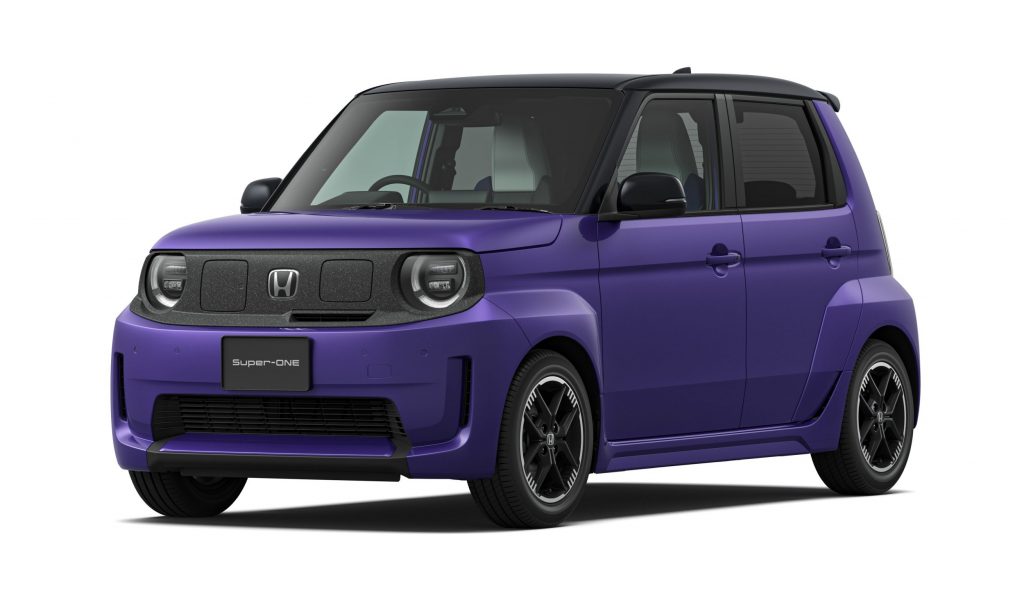
The automotive landscape is undergoing a radical transformation as manufacturers pivot from large, expensive electric SUVs toward more practical and compact urban solutions. Check the latest EV news on the Honda Super-One. Inspired by the Honda City Turbo II, could this Kei-car be the Honda SuperOne Malaysians need? Learn more today. This strategic move by Honda signals a return to its core philosophy of efficient packaging, offering a vehicle that prioritizes maneuverability and affordability without sacrificing the iconic styling that defined the brand's golden era in the 1980s.
The Strategic Rebirth of the Compact EV
As global cities become more congested, the demand for smaller, more agile vehicles has surged. The Honda Super-One is not merely a downsized electric car; it is a specialized tool designed for the modern metropolitan environment. By leveraging the "Kei-car" dimensions—a vehicle category in Japan that adheres to strict size and engine displacement limits—Honda is tapping into a legacy of space efficiency that few other manufacturers can match. The Super-One represents a departure from the high-cost Honda e, focusing instead on a price point that makes electrification accessible to a much broader demographic.
A Platform Built for the Future
The foundation of the Super-One is a dedicated electric vehicle architecture that places the battery pack low in the chassis. This design choice maximizes interior volume while ensuring a low center of gravity, which is essential for stable handling in a vehicle with such a small footprint. Unlike internal combustion engine cars that require space for a radiator, transmission tunnel, and exhaust system, the Super-One utilizes a flat floor, providing legroom comparable to vehicles in much larger segments. This "Man Maximum, Machine Minimum" approach remains the cornerstone of Honda's engineering identity.
Drawing Inspiration from the Bulldog Legacy
Visual identity plays a crucial role in the appeal of the Super-One. Enthusiasts will immediately recognize the design cues taken from the legendary Honda City Turbo II, affectionately known as the "Bulldog." The flared wheel arches, upright greenhouse, and short overhangs are a direct nod to the 1980s icon. However, the Super-One modernizes this look with flush-mounted LED lighting, aerodynamic wheel covers, and a minimalist front fascia that foregoes a traditional grille in favor of a smooth, drag-reducing surface.
Modern Aesthetic Meets Retro Utility
The retro-futuristic styling is more than just a gimmick; it serves a functional purpose. The boxy shape of the Super-One ensures that every inch of the vehicle's exterior dimensions translates into usable interior space. For urban professionals and small families, this means a car that is easy to park in tight spots while still being capable of hauling groceries, sports equipment, or work gear. The high roofline also provides excellent visibility, a critical safety feature when navigating busy city intersections and narrow lanes.
Technical Specifications and Performance
While the original City Turbo II relied on a forced-induction gasoline engine, the Super-One is powered by a high-efficiency electric motor. While official performance figures are tailored for urban environments, the torque delivery of an electric motor provides the "peppy" feel that drivers expect from a small Honda. Initial reports suggest a power output optimized for city speeds, ensuring the car feels responsive when merging into traffic or accelerating from a stoplight.
Urban Range and Charging Efficiency
The Honda Super-One is expected to feature a battery capacity ranging between 20 kWh and 30 kWh. In a world where luxury EVs boast 100 kWh batteries, this might seem small, but for an urban-focused Kei-car, it is the ideal compromise between weight and utility. A smaller battery keeps the vehicle's total weight low, which in turn increases efficiency and reduces the price. Owners can expect a range of approximately 120 to 150 miles on a single charge—more than enough for the average daily commute. Furthermore, the Super-One is designed to support fast-charging standards, allowing users to replenish the battery from 10% to 80% in roughly 30 minutes at a standard DC fast-charging station.
Pro Tip: To maximize the lifespan of a compact EV battery like the one found in the Honda Super-One, aim to keep the charge level between 20% and 80% for daily use. This practice reduces chemical stress on the cells and ensures consistent performance over several years of urban driving.
Economic Impact: Pricing and Accessibility
One of the most significant barriers to EV adoption has been the high entry price. Honda aims to disrupt this trend by positioning the Super-One as a budget-friendly alternative. In markets like Malaysia, the price is projected to sit comfortably below the $18,000 USD mark, potentially even dipping toward $14,000 USD depending on local incentives and configurations. This pricing strategy places the Super-One in direct competition with entry-level internal combustion vehicles, making the switch to electric a viable financial decision for first-time car buyers and budget-conscious households.
Lowering the Total Cost of Ownership
Beyond the initial purchase price, the Super-One offers substantial savings in daily operation. Electric vehicles have significantly fewer moving parts than their gasoline counterparts, leading to lower maintenance costs over time. There are no oil changes, spark plugs, or timing belts to replace. Additionally, the cost of electricity is generally much lower than the cost of fuel per mile, especially in regions with stable utility rates. For a driver covering 10,000 miles a year, the savings on "fueling" alone could amount to hundreds of dollars annually.
Practicality and the Interior Cabin
The interior of the Honda Super-One is a masterclass in minimalist design. Honda has opted for sustainable materials throughout the cabin, including recycled textiles and bio-based plastics. The dashboard features a clean, horizontal layout with a central touchscreen that handles navigation, media, and vehicle settings. Physical buttons are retained for essential functions like climate control, ensuring that drivers can make adjustments without taking their eyes off the road.
Modular Storage Solutions
True to its heritage, the Super-One includes several clever storage solutions. The rear seats are designed to fold completely flat, expanding the cargo area significantly. There are also rumors of a specialized storage compartment designed to fit a modern, electric version of the Motocompo—a foldable scooter that can be charged by the car and used for "last-mile" transportation from a parking garage to a final destination. This level of integrated mobility is exactly what sets Honda apart from traditional competitors.
The Global Shift Toward Compact EVs
While the Super-One is being highlighted for its potential in the Southeast Asian market, its relevance is global. Cities from London to New York are increasingly implementing low-emission zones and congestion pricing. A vehicle that is small, zero-emission, and affordable is the ideal solution for these regulatory environments. The Honda Super-One proves that an electric car does not need to be a 5,000-pound SUV to be desirable; it simply needs to be smart, stylish, and suited to its environment.
Conclusion
The Honda Super-One represents a perfect storm of nostalgia and innovation. By reviving the spirit of the City Turbo II and packaging it with a modern electric drivetrain, Honda has created a vehicle that addresses the real-world needs of urban commuters. It is affordable, efficient, and undeniably charismatic. As charging infrastructure continues to expand globally, the Super-One is poised to become a benchmark for what a budget-friendly electric vehicle should be. We invite you to share your thoughts on this compact revolution—would the Super-One fit your daily driving needs? Join the conversation in the comments below.
Frequently Asked Questions
What is the expected price of the Honda Super-One in USD?
While official pricing varies by region, the Honda Super-One is expected to be positioned as an affordable entry-level EV, with estimates ranging from $14,000 to $18,000 USD before local tax incentives.
How far can the Honda Super-One travel on a single charge?
The vehicle is optimized for urban environments and is expected to offer a range of approximately 120 to 150 miles (190 to 240 kilometers) based on typical city driving cycles.
Does the Honda Super-One support fast charging?
Yes, the Super-One is designed to be compatible with DC fast chargers, allowing the battery to reach an 80% charge in about 30 minutes, making it highly practical for users without dedicated home charging.
Is the Honda Super-One a global model or exclusive to Asia?
While initially focused on markets with high demand for compact vehicles like Malaysia and Japan, the Super-One's design and electrification make it a strong candidate for European and North American urban centers facing increased congestion and emission regulations.