Government Plans Better Internet Access Along ETS Routes
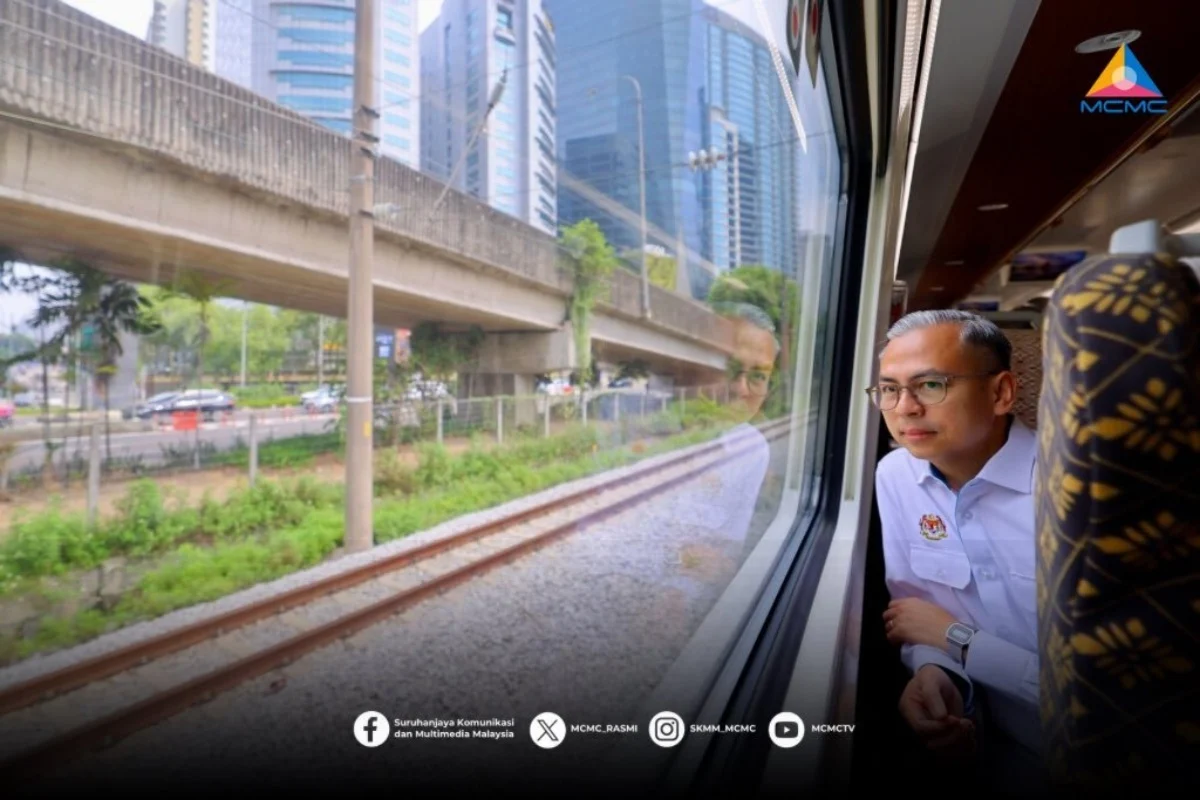
The digital transformation of public transportation systems is a critical pillar for modernizing national infrastructure and enhancing the productivity of daily commuters. MCMC and telco providers are boosting internet coverage along the ETS route. Learn how the government plans to provide a stable connection for train passengers. By addressing the intermittent connectivity issues currently plaguing high-speed rail lines, authorities are positioning regional transit as a viable mobile workspace for professionals and a seamless travel experience for tourists. This strategic move aims to eliminate dead zones that have historically hindered digital engagement during long-distance travel.
For years, passengers utilizing high-speed rail services have faced significant challenges regarding signal stability. As trains traverse rural landscapes and pass through various topographical barriers, cellular signals often fluctuate or drop entirely. The initiative spearheaded by the Malaysian Communications and Multimedia Commission (MCMC) is designed to rectify these inconsistencies by mandating infrastructure upgrades across the entire rail corridor. This involves not only the installation of new base stations but also the optimization of existing towers to handle the unique handoff requirements of devices traveling at speeds exceeding 140 kilometers per hour (87 mph).
The Technical Challenges of Connectivity on High-Speed Trains
Providing high-speed internet on moving trains is a complex engineering feat that involves overcoming several physical and technical obstacles. One of the primary issues is the "Faraday Cage" effect, where the metallic structure of the train carriages reflects or blocks external radio frequency signals. To mitigate this, telco providers are exploring the use of signal boosters and on-train repeaters that can capture external signals and redistribute them within the cabins. This ensures that even in areas with moderate signal strength, passengers inside the train experience a stable and high-quality connection.
Signal Handoff and Network Latency
Another significant hurdle is the handoff process between cellular towers. When a passenger is traveling at high speeds, their mobile device must rapidly switch from one base station to another to maintain a continuous data stream. If the network density is insufficient or the handoff protocols are not optimized, this results in dropped calls and buffering. The current plan involves increasing the density of 4G and 5G nodes along the rail tracks, ensuring that there is a sufficient overlap of coverage zones to facilitate seamless transitions. This technical refinement is essential for applications that require low latency, such as video conferencing and real-time cloud computing.
Infrastructure Sharing and MOCN
To accelerate the deployment of these improvements, the government is encouraging infrastructure sharing among major telecommunications companies. By utilizing Multi-Operator Core Network (MOCN) technology, multiple providers can share the same physical radio access network infrastructure. This approach reduces the total capital expenditure required—which can often reach into the millions of USD for national-scale projects—and minimizes the environmental footprint of new tower construction. For the passenger, this means better coverage regardless of which carrier they subscribe to, as the shared infrastructure provides a universal blanket of connectivity.
Economic Implications for the Mobile Workforce
The ability to remain connected while commuting is no longer a luxury but a necessity for the modern workforce. By providing a stable internet connection along major rail routes, the government is effectively expanding the "productive day" for thousands of employees. Professionals can now utilize their travel time to respond to emails, attend virtual meetings, and complete tasks that would otherwise be relegated to traditional office hours. This boost in productivity can have a tangible impact on the broader economy, as it reduces the "dead time" associated with long-distance travel.
Furthermore, improved connectivity makes rail travel a more attractive alternative to air travel or private vehicle use. When compared to the costs of fuel and the mental fatigue of driving, a high-speed train equipped with high-quality Wi-Fi and cellular service becomes a premium choice for business travelers. From an environmental standpoint, shifting more travelers toward rail systems is a significant step toward reducing carbon emissions, as trains are far more energy-efficient per passenger-mile than private cars or short-haul flights.
Pro Tip: For travelers who rely on constant connectivity for high-bandwidth tasks, utilizing a dedicated mobile hotspot that supports external antenna ports can help bypass some signal attenuation issues found in older train carriages. However, with the upcoming government-led infrastructure improvements, standard mobile devices will soon see a significant performance boost without the need for additional hardware.
Strategic Collaboration Between MCMC and Telcos
The success of this initiative hinges on the close collaboration between the Ministry of Digital and various private sector stakeholders. The MCMC serves as the regulatory body ensuring that these improvements meet specific Quality of Service (QoS) benchmarks. These benchmarks include minimum download speeds, maximum latency thresholds, and a required percentage of uptime throughout the journey. By holding telco providers accountable to these standards, the government ensures that the investment results in a meaningful improvement for the end-user.
The Role of 5G in Rail Connectivity
While 4G remains the backbone of current mobile connectivity, the rollout of 5G along rail corridors is the next frontier. 5G technology offers the high capacity and low latency required to support a large number of simultaneous users in a confined space. This is particularly important for the ETS, where hundreds of passengers may be attempting to stream high-definition content or access heavy data files at the same time. The deployment of 700MHz spectrum for 5G is particularly beneficial in this context, as lower frequencies can travel longer distances and penetrate obstacles more effectively, making them ideal for covering long stretches of railway track in rural areas.
Universal Application and Global Standards
The effort to improve rail connectivity is not unique to this region; it follows a global trend of integrating digital infrastructure with transportation networks. For instance, high-speed rail systems in Europe and East Asia have already set benchmarks for "Connected Rails." By adopting similar strategies—such as dedicated trackside fiber-optic backhaul and localized small-cell deployments—the Malaysian government is aligning its transit system with international best practices. This makes the country more competitive as a hub for digital nomads and international business operations.
Conclusion and Verdict
The government's plan to enhance internet access along the ETS route is a vital step toward creating a more connected and productive society. By addressing the technical challenges of high-speed signal handoff and infrastructure density, the MCMC and telco providers are transforming the passenger experience. This initiative not only benefits the individual traveler but also contributes to the national digital economy by enabling a more flexible and mobile workforce. As these upgrades are rolled out, passengers can expect a more reliable connection that supports everything from casual browsing to intensive professional tasks.
We want to hear about your travel experiences. Have you noticed improvements in your connection during recent train journeys, or are there specific areas where you still face challenges? Share your thoughts in the comments below.
Frequently Asked Questions
Why is the internet often slow on trains?
Internet speed on trains is often limited by two factors: the high speed of the train, which makes it difficult for devices to switch between cellular towers, and the metallic structure of the carriages, which can block or weaken incoming signals.
Will these improvements cost passengers more?
These are infrastructure-level improvements funded by telco providers and government initiatives. While individual data plans remain subject to carrier pricing, there is generally no additional "connection fee" for the improved cellular coverage provided along the route.
How does 5G differ from 4G on a moving train?
5G offers higher capacity, meaning more passengers can be connected simultaneously without a drop in speed. It also features lower latency, which is essential for real-time applications like gaming or video calls, and uses more advanced antenna technology to maintain stable links at high speeds.
When can passengers expect to see full coverage?
The rollout is phased, with the government and MCMC prioritizing the most heavily used segments of the ETS route first. Continuous monitoring and testing are underway to ensure that the upgrades meet the required performance standards before being fully commissioned.
Does this connectivity work with international SIM cards?
Yes, the infrastructure upgrades benefit all users who are roaming on local networks. International travelers with roaming-enabled SIM cards will be able to utilize the improved towers and base stations just like local subscribers.