DJI ROMO Robot Vacuum Officially Launches In Malaysia
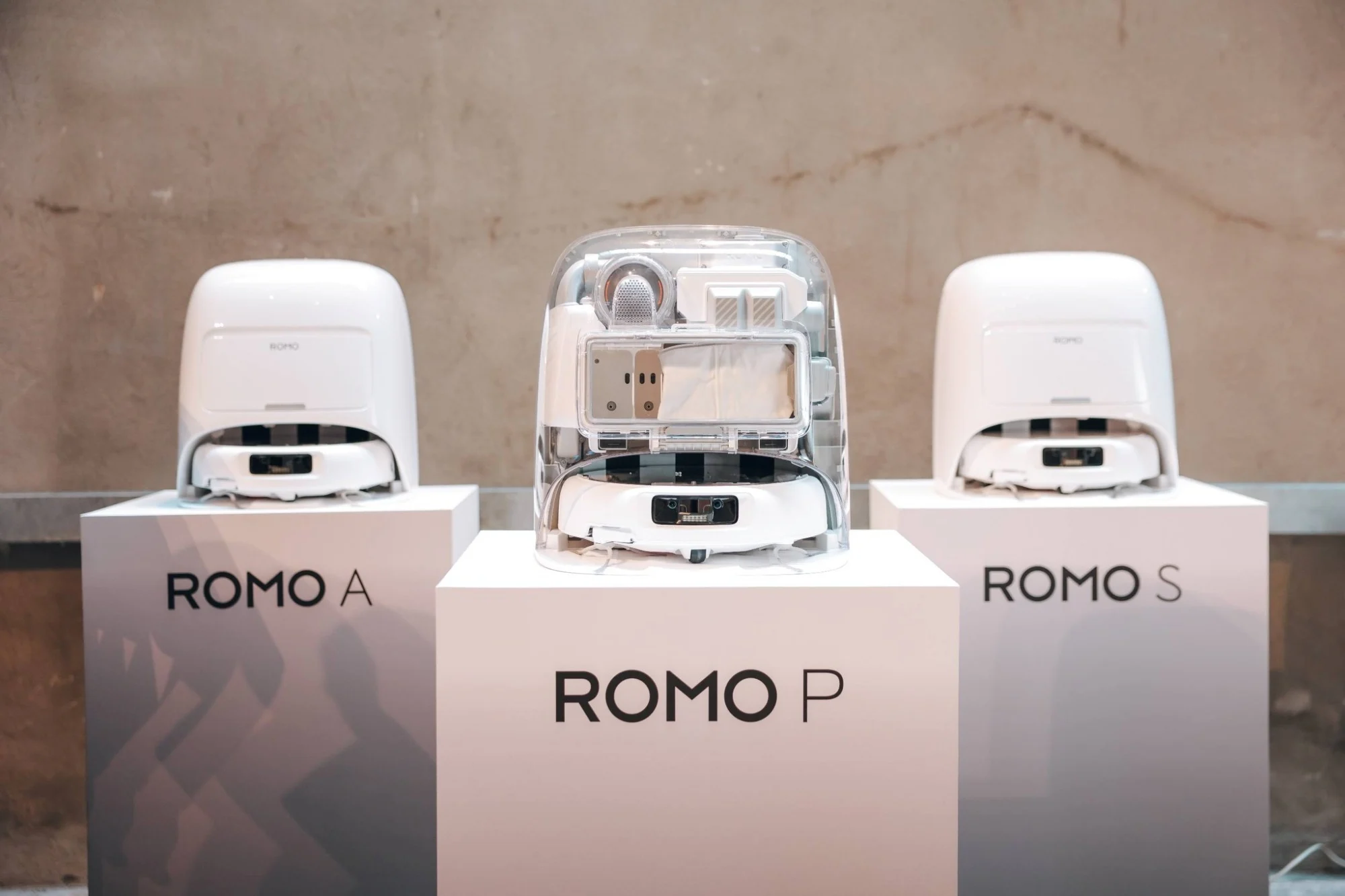
DJI has formally disrupted the home appliance industry by launching its first robotic cleaning solution, leveraging decades of expertise in autonomous flight and computer vision to tackle the challenges of indoor environments. The DJI Romo robot vacuum is now official in Malaysia. See how this smart home device handles your chores. Find out the local pricing and key features today. This entry represents a strategic pivot for the company, moving beyond the enthusiast and professional aerial market into the multi-billion dollar smart home ecosystem. By integrating advanced LiDAR sensors and high-performance suction capabilities, DJI aims to set a new benchmark for floor care efficiency.
Bridging the Gap Between Aerial Precision and Floor Care
The transition from manufacturing high-end drones to producing a vacuum cleaner might seem unconventional, but the core technologies are remarkably similar. Autonomous navigation, real-time obstacle avoidance, and battery efficiency are the pillars of DJI’s success in the skies, and these same elements are now being applied to ground-based robotics. The DJI Romo is not merely a standard vacuum; it is a sophisticated mobile robot designed to map complex floor plans with the same level of accuracy required for cinematic drone maneuvers.
For global consumers, this means a device that is less likely to get trapped by cables or furniture. Most standard robot vacuums rely on rudimentary "bump-and-turn" logic or basic laser guidance that struggles in low-light conditions. DJI’s heritage in imaging technology suggests that their navigation algorithms will significantly outperform competitors in high-traffic households or homes with intricate layouts and varying floor types. This reliability makes it an ideal candidate for professional home offices and high-end residential spaces where efficiency is a priority.
Industry-Leading Suction and Mechanical Engineering
One of the standout specifications of this new hardware is its raw cleaning power. The DJI Romo boasts a suction rating of 12,000 Pa, which places it at the absolute top tier of the current market. To put this in perspective, many flagship models from established floor care brands hover between 5,000 and 8,000 Pa. This level of power is essential for deep-cleaning carpets and extracting fine dust from floorboard crevices, a common requirement in diverse climates where dust and allergens can accumulate quickly.
Advanced Mopping Capabilities
Beyond suction, the Romo utilizes a pressurized mopping system designed to simulate manual scrubbing. This is particularly effective for removing dried-on stains or spills that traditional "drag-and-wipe" robot mops often leave behind. The device is engineered to recognize different surfaces, automatically lifting the mop pads when it detects carpet to prevent moisture damage. This intelligent surface adaptation ensures a seamless cleaning experience across hardwood, tile, and textile flooring without requiring manual intervention or the setting of complex "no-mop" zones.
The All-in-One Omni Station: Total Automation
The true value of a modern robot vacuum lies in its ability to operate independently for extended periods. The DJI Romo is paired with a comprehensive base station that handles almost every aspect of maintenance. This station provides auto-emptying of the dustbin, auto-refilling of the water tank, and a specialized cleaning cycle for the mop pads. What sets this apart is the use of 60°C (140°F) hot water for mop washing, which effectively dissolves oils and kills bacteria more efficiently than cold-water alternatives.
Following the wash cycle, the station utilizes warm air drying to prevent the growth of mold and the development of unpleasant odors. For the global user, this eliminates the most tedious part of owning a robot vacuum: the manual cleaning of the machine itself. This level of automation is essential for busy professionals who want to maintain a pristine living environment without adding another chore to their daily schedule. The base station effectively turns floor maintenance into a "set it and forget it" task.
Software Integration via DJI Fly
In an interesting move, DJI has integrated the Romo into its existing DJI Fly app ecosystem. While primarily known for drone control, the app has been updated to provide a robust interface for home management. Users can view 3D maps of their homes, set specific cleaning schedules, and designate priority zones. The app also allows for remote monitoring, giving users the ability to check the progress of a cleaning session from anywhere in the world, provided they have an active internet connection. This compatibility with major ISPs and global mobile networks ensures that the device remains accessible whether the user is at work or traveling abroad.
Pro Tip: To maximize the efficiency of your DJI Romo, perform an initial "mapping run" during the day with all internal doors open and small obstacles like loose cables removed. This allows the LiDAR sensors to create a high-fidelity 3D map that will serve as the foundation for all future automated cleaning sessions.
Local Pricing and Global Value Proposition
In Malaysia, the DJI Romo has been launched with a retail price of RM 4,499. When converted to US currency, this is approximately $1,040 USD. At this price point, DJI is positioning itself in the premium segment of the market, competing directly with high-end models from Roborock, Ecovacs, and Dreame. While the initial investment is significant, the combination of 12,000 Pa suction, advanced AI navigation, and a fully automated maintenance dock offers a compelling value proposition for those seeking a high-performance, long-term solution for home hygiene.
The availability of local support and authorized service centers in Malaysia also adds a layer of security for early adopters. For global observers, this launch serves as a litmus test for DJI’s potential expansion into North American and European home appliance markets. Given the brand's international reputation for quality and innovation, the Romo is likely to become a formidable competitor on the global stage within the next few years.
Conclusion: The Future of Autonomous Home Care
The DJI Romo is more than just a vacuum; it is a testament to how specialized technology from one sector can revolutionize another. By bringing drone-grade sensors and high-torque motors to the floor care industry, DJI has addressed the most common pain points of existing robotic cleaners. The result is a device that offers superior cleaning power, exceptional navigation, and genuine hands-free operation. Whether you are dealing with pet hair, fine dust, or tough floor stains, the Romo provides a high-authority solution that justifies its premium positioning.
As smart homes become increasingly autonomous, the demand for reliable, high-performance robotics will only grow. DJI’s entry into this space suggests a future where our home appliances are just as intelligent as our mobile devices. We invite you to share your thoughts on this new release. Would you trust a drone manufacturer to clean your home, or do you prefer established appliance brands? Let us know in the comments below.
Frequently Asked Questions
Is the DJI Romo compatible with smart home ecosystems like Alexa or Google Assistant?
Yes, the DJI Romo is designed to integrate with major global smart home platforms, allowing for voice-activated cleaning commands and inclusion in automated "routines" alongside your other smart devices.
How does the Romo handle dark-colored rugs or low-light environments?
Unlike cheaper models that use infrared sensors which can be confused by dark surfaces, the Romo utilizes LiDAR and structured light sensors. This allows it to navigate accurately in near-total darkness and correctly identify dark-colored floor coverings without treating them as "cliffs" or obstacles.
What is the maintenance schedule for the Omni Station?
While the station automates daily tasks, users will generally need to empty the large dirty water tank and refill the clean water tank once every 1-2 weeks, depending on the frequency of cleaning and the size of the home. The internal dust bag typically needs replacement every 60 to 75 days.
Can the DJI Romo climb over door thresholds?
The Romo is engineered with high-clearance wheels that allow it to traverse standard door thresholds and transitions up to 20mm (approximately 0.8 inches) in height, ensuring it can move between rooms without getting stuck.
Does the DJI Fly app require a subscription for vacuum features?
No, the core mapping, scheduling, and control features within the DJI Fly app for the Romo robot vacuum are included with the purchase of the hardware, with no mandatory monthly subscription fees for standard operation.