Apple macOS 26 Tahoe Ends Major Support For Intel Macs
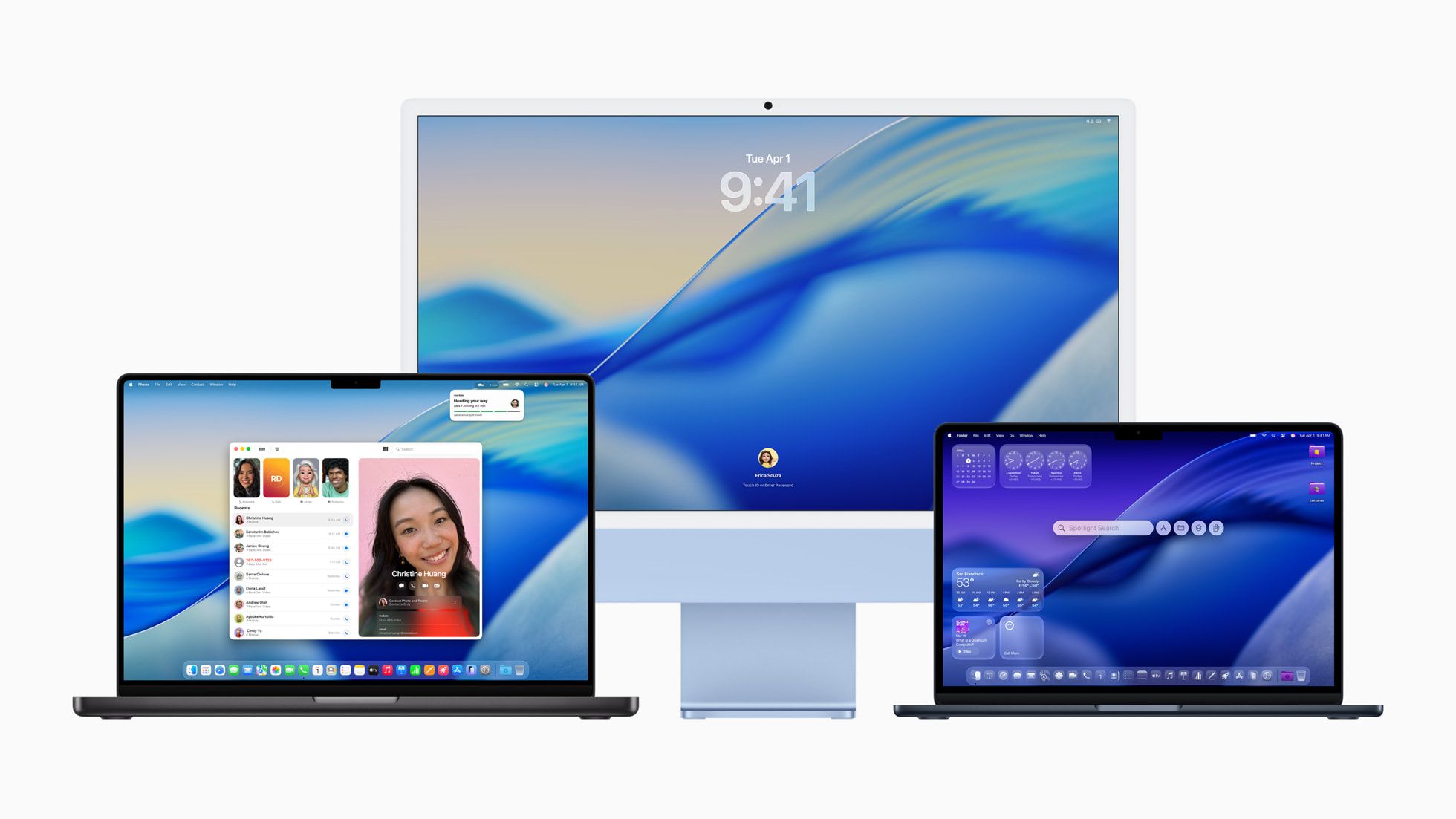
The era of Intel-based Macintosh hardware is officially entering its final chapter as Apple prepares its 2026 software roadmap. Apple confirms macOS 26 Tahoe is the final major update for Intel Macs. Find out how this affects your computing hardware and what to expect from Intel support. This milestone marks the conclusion of a transition period that began in June 2020, signaling Apple's total commitment to its proprietary ARM-based silicon architecture. For users still operating on Intel-powered iMacs, MacBook Pros, and Mac Pros, this announcement serves as a definitive timeline for hardware lifecycle management and future upgrade planning.
The Sunset of the Intel Era in Apple Computing
The transition from Intel processors to Apple Silicon has been one of the most successful architecture migrations in computing history. By moving to its own M-series chips, Apple gained unprecedented control over the integration of hardware and software. macOS 26 Tahoe represents the final bridge between these two worlds. While previous versions of macOS have slowly pruned support for older Intel models, Tahoe is the first version to be explicitly labeled as the terminal major release for any hardware lacking an Apple-designed processor. This decision allows Apple engineers to fully optimize future operating systems—starting with macOS 27—specifically for the unified memory architecture and Neural Engines found in the M1 through M6 series chips.
Understanding the Technical Limitations of Legacy Hardware
The primary driver behind this shift is the divergence in hardware capabilities. Modern macOS features, particularly those grouped under the "Apple Intelligence" umbrella, rely heavily on the Neural Processing Unit (NPU) integrated into Apple Silicon. Intel chips, even the high-end Xeon processors found in the 2019 Mac Pro, lack the specific hardware acceleration required for on-device machine learning tasks at the efficiency levels Apple demands. Furthermore, the unified memory architecture of Apple Silicon allows the GPU and CPU to share a high-bandwidth pool of RAM, a feature that Intel's traditional architecture cannot replicate. Continuing to support x86 architecture requires Apple to maintain two distinct versions of the macOS kernel, which bifurcates development resources and slows down the introduction of advanced features.
What This Means for Current Intel Mac Owners
For individuals and businesses still utilizing Intel-based hardware, the announcement of macOS 26 Tahoe provides a clear runway. It is important to distinguish between "major update support" and "functional obsolescence." An Intel Mac running macOS 26 will not cease to function the moment macOS 27 is released. Historically, Apple has provided approximately two years of critical security patches and "point" updates (e.g., version 26.1, 26.2) after the successor OS is launched. This means that a high-spec Intel Mac Pro or iMac from 2019 or 2020 will likely remain secure and usable for basic tasks until at least 2028. However, new features introduced in subsequent years will be entirely inaccessible to these machines.
Depreciation and Resale Value Considerations
From a financial perspective, the announcement of a terminal OS version typically triggers a decline in secondary market value. If you are looking to recoup the maximum value from your Intel hardware, the window for a high-value trade-in or private sale is closing. Professional environments that rely on software compatibility—such as recording studios using specific audio plugins or video houses using legacy hardware accelerators—should begin budgeting for a hardware refresh within the next 18 to 24 months. The transition to Apple Silicon is no longer a "future possibility" but a current requirement for staying within the official Apple software ecosystem.
Pro Tip: If you are currently using an Intel Mac for professional work, use the macOS 26 Tahoe lifecycle to audit your software dependencies. Ensure that all your mission-critical applications have native Apple Silicon versions (Universal Binaries) available before you make the inevitable hardware switch, as the Rosetta 2 translation layer may eventually be phased out alongside Intel support.
The Future of macOS Beyond Tahoe
Starting with the release of the successor to macOS 26, the operating system will likely become leaner and more specialized. Without the need to support the x86 instruction set, Apple can remove significant amounts of legacy code from the macOS kernel. This "de-bloating" process is expected to improve system stability and performance for M-series users. We can anticipate deeper integration with iPadOS and iOS features, as all three platforms will share the same underlying chip architecture. For the global user base, this means a more cohesive experience where features like Universal Control and Sidecar operate with even lower latency and higher reliability.
Global Hardware Compatibility and ISP Standards
Even as the processor architecture changes, Apple continues to ensure that its hardware remains compatible with global networking standards. macOS 26 Tahoe will maintain support for the latest Wi-Fi 6E and Wi-Fi 7 protocols, ensuring that users worldwide can maximize their connection speeds with local ISPs. Whether you are working from a home office in North America or a corporate hub in Asia, the software remains optimized for varying climates and network infrastructures. The focus remains on providing a high-authority computing experience that is consistent regardless of geographical location, provided the hardware meets the minimum silicon requirements.
The Verdict: A Necessary Step Forward
While the end of Intel support may feel premature to those who invested $5,000 or more in high-end Intel Macs just a few years ago, it is a necessary step for the evolution of the platform. Apple’s trajectory is clear: the future is silicon-integrated, AI-driven, and hyper-efficient. macOS 26 Tahoe serves as the final bridge, offering a stable and feature-rich environment for legacy users while preparing the ground for a purely Apple Silicon future. If your workflow demands the latest features and the highest levels of security, the time to plan your transition to M-series hardware is now. We invite you to share your thoughts in the comments below: are you still running an Intel Mac, and does this news change your upgrade plans?
Frequently Asked Questions
Will my Intel Mac stop working once macOS 27 is released?
No. Your Mac will continue to run macOS 26 Tahoe and all installed applications. However, you will no longer receive major feature updates or new versions of the operating system. You will likely continue to receive security updates for at least two years after the release of macOS 26.
Can I still use Windows via Boot Camp on macOS 26 Tahoe?
Yes, Boot Camp support remains available for Intel-based Macs on macOS 26 Tahoe. This remains one of the few advantages Intel Macs have over Apple Silicon Macs, which must rely on virtualization software like Parallels or VMware to run Windows.
Is it worth buying a refurbished Intel Mac in 2026?
Only if the price is exceptionally low and your needs are very basic. For professional use or longevity, even a base-model M1 or M2 MacBook Air will likely outperform a high-end Intel Mac and will offer a much longer software support lifecycle. Most users should opt for Apple Silicon at this stage.
How do I know if my Mac is Intel or Apple Silicon?
Click the Apple menu in the top-left corner of your screen and select "About This Mac." Look for the "Processor" or "Chip" section. If it lists "Intel," you are on legacy hardware. If it lists "Apple M1," "M2," etc., you are on Apple Silicon and are not affected by this specific support cutoff.
Will third-party apps still support my Intel Mac?
Developers like Adobe, Microsoft, and Google generally support older OS versions for several years. However, as Apple stops updating the underlying frameworks for Intel Macs, third-party developers will eventually follow suit to reduce their own maintenance costs.