Crusader Kings 3 DLC Adds Playable Popes and Merchants
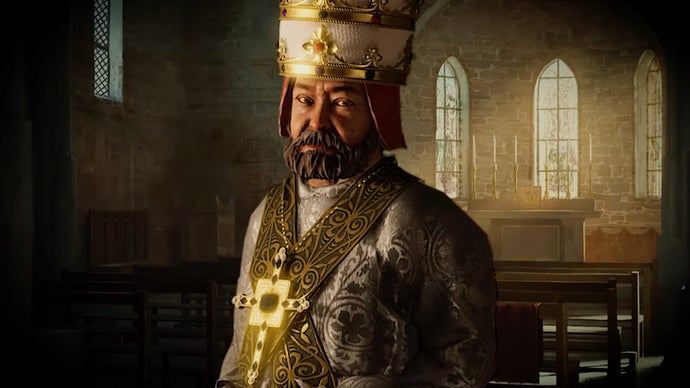
Paradox Interactive is fundamentally altering the landscape of grand strategy by introducing two of the most requested gameplay archetypes to its flagship medieval title. Players can now Lead Popes or merchants in Crusader Kings III. Paradox Interactive strategy RPG simulation offers bird view / isometric single player and multiplayer competitive. This development marks a significant departure from the traditional land-based feudal systems that have defined the franchise since its inception. By enabling players to control the Holy See or manage sprawling commercial empires, the developers are providing a level of mechanical depth that caters to both role-players and competitive strategists seeking new ways to dominate the global stage. This expansion of scope ensures that the simulation remains a versatile tool for exploring historical "what-if" scenarios across the European, African, and Asian continents.
The Evolution of Chapter 4: A New Era for Grand Strategy
The announcement of the Chapter 4 expansion pass represents a strategic shift in how content is delivered and experienced within the game. For years, the community has campaigned for the return of mechanics seen in previous iterations, specifically the ability to play as theocratic leaders and merchant princes. The roadmap for this new chapter focuses on breaking the boundaries of traditional borders, allowing for a more fluid representation of power that is not strictly tied to territorial conquest. Whether you are operating from the shadows of the Vatican or the busy ports of Venice, the game now rewards economic and spiritual influence just as much as military might.
Gilded Rule: The Rise of Merchant Republics
The "Gilded Rule" expansion is the cornerstone of this update, reintroducing the complex mechanics of Merchant Republics. Unlike feudal lords who rely on levies and land taxes, merchant leaders operate through trade posts and maritime dominance. This gameplay style requires a different set of skills, focusing on wealth accumulation and the control of trade nodes. In the competitive multiplayer environment, these republics can act as the bankers of the world, funding the wars of kings while quietly seizing control of the most lucrative ports in the Mediterranean and beyond. The shift to an economic-first mindset forces players to navigate the risks of market fluctuations and piracy, adding a layer of management that feels distinct from the typical military-heavy gameplay.
The Papacy and Theocratic Leadership
Perhaps the most groundbreaking inclusion is the ability to influence or lead the Papacy. Theocratic play involves navigating the College of Cardinals, influencing elections, and utilizing the immense soft power of the Church to excommunicate rivals or call for holy wars. This adds a layer of "tall" play, where a player may not own vast swaths of land but controls the hearts and minds of half the map. Managing the religious landscape requires a high level of intrigue and diplomacy, making it a perfect fit for those who enjoy the role-playing aspects of the simulation. The interaction between the Pope and the secular rulers of Europe creates a dynamic tension that historically defined the Middle Ages, and now players can experience that struggle from the throne of Saint Peter.
The Byzantium Overhaul and Landless Adventurers
Beyond the economic and religious additions, the "Roads to Power" expansion addresses long-standing requests regarding the Byzantine Empire and the concept of landless play. Byzantium has often been criticized for feeling too much like a standard Western European feudal state, but the new mechanics introduce administrative government types that reflect its unique historical bureaucracy. Players can now climb the ranks of the imperial system through merit, intrigue, and political maneuvering rather than just hereditary succession.
Playing Without a Throne
The introduction of landless adventurers is a revolutionary change for the genre. Previously, losing your last county meant an immediate "game over." Now, players can continue their legacy as wandering nobles, mercenaries, or displaced heirs. This allows for a "rags to riches" narrative where you can travel across the isometric map, taking on contracts, building a reputation, and eventually carving out a new kingdom for yourself. This feature is ideal for home offices and casual setups where players want to experience a more personal, character-driven story rather than managing a massive empire from the start.
Pro Tip: When playing as a Merchant Republic, prioritize the construction of Trade Posts in high-development coastal provinces. Wealth is your primary weapon; use it to hire superior mercenary companies to compensate for your lack of traditional feudal levies.
The Impact of the Wandering Nobles Event Pack
To complement the major expansions, the "Wandering Nobles" event pack focuses on the smaller, more intimate moments of a character's life. It introduces new travel options and activities that flesh out the world when your character is away from their capital. Whether you are on a pilgrimage to Rome or a trade mission to Constantinople, the events you encounter will shape your character’s traits and relationships. These smaller updates are essential for maintaining the immersion of the simulation, ensuring that the world feels alive even when you are not actively engaged in a major war.
Single Player vs. Competitive Multiplayer
The addition of these new roles significantly changes the balance of competitive multiplayer matches. A player acting as the Pope can become a kingmaker, deciding which player-led kingdoms deserve the Church's blessing and which should be targeted by a Crusade. Meanwhile, a Merchant Republic player can manipulate the global economy, funding the underdogs to ensure that no single land-based empire becomes too powerful. This creates a multi-dimensional strategy environment where victory isn't always measured by the size of your territory on the map.
Technical Enhancements and Global Accessibility
Paradox Interactive continues to optimize the game for a global audience, ensuring compatibility with a wide range of hardware and ISPs for stable multiplayer sessions. The bird's-eye view interface has been refined to provide more data at a glance, which is crucial when managing complex trade networks or religious hierarchies. The UI scales well across different resolutions, making it accessible for gamers using anything from standard monitors to high-end 4K setups. Furthermore, the game’s localization efforts ensure that players from various regions can enjoy the historical nuances of the medieval world in their native languages, though the core mechanics remain universally understood through intuitive design.
Actionable Conclusion
The Chapter 4 expansions for Crusader Kings III represent a milestone in the evolution of grand strategy. By introducing playable Popes and Merchant Republics, Paradox has successfully bridged the gap between historical simulation and engaging role-play. These additions provide endless replayability and new challenges for veteran players and newcomers alike. If you have been waiting for a reason to return to the medieval world, there has never been a better time to reclaim your legacy or build a new one from the shadows of the Church or the wealth of the markets. Share your thoughts on these new mechanics in the comments below or join the community to discuss your favorite strategies for the upcoming DLC.
Frequently Asked Questions
Are the new DLCs compatible with existing save games?
Generally, major expansions that alter core mechanics like government types and religious hierarchies require a new save game to function correctly. It is highly recommended to start a new campaign to experience the Merchant Republic and Papacy features without technical issues.
Can I play as a Merchant Republic in multiplayer?
Yes, the new mechanics are fully integrated into the multiplayer experience. One player can manage a republic while others play as feudal lords or landless adventurers, allowing for complex diplomatic and economic interactions between friends.
Do I need to own all previous DLCs to play Chapter 4?
No, you do not need previous expansions to play the content in Chapter 4. However, having earlier expansions like "Tours & Tournaments" can enhance the overall experience by providing more depth to the traveling and event systems used by wandering nobles.
What is the price of the Chapter 4 expansion pass?
The Chapter 4 expansion pass is typically priced around $44.99 USD, offering a significant discount compared to purchasing each pack individually. Individual prices for major expansions like "Gilded Rule" usually range from $24.99 to $29.99 USD.
Will landless gameplay work for all cultures?
Yes, the landless adventurer mechanics are designed to be globally applicable within the game world. Whether you are a disinherited Norse prince or a wandering scholar from the Abbasid Caliphate, the system allows you to navigate the world without holding a traditional title.