Maybank Moves Head Office to Merdeka 118 Next Month
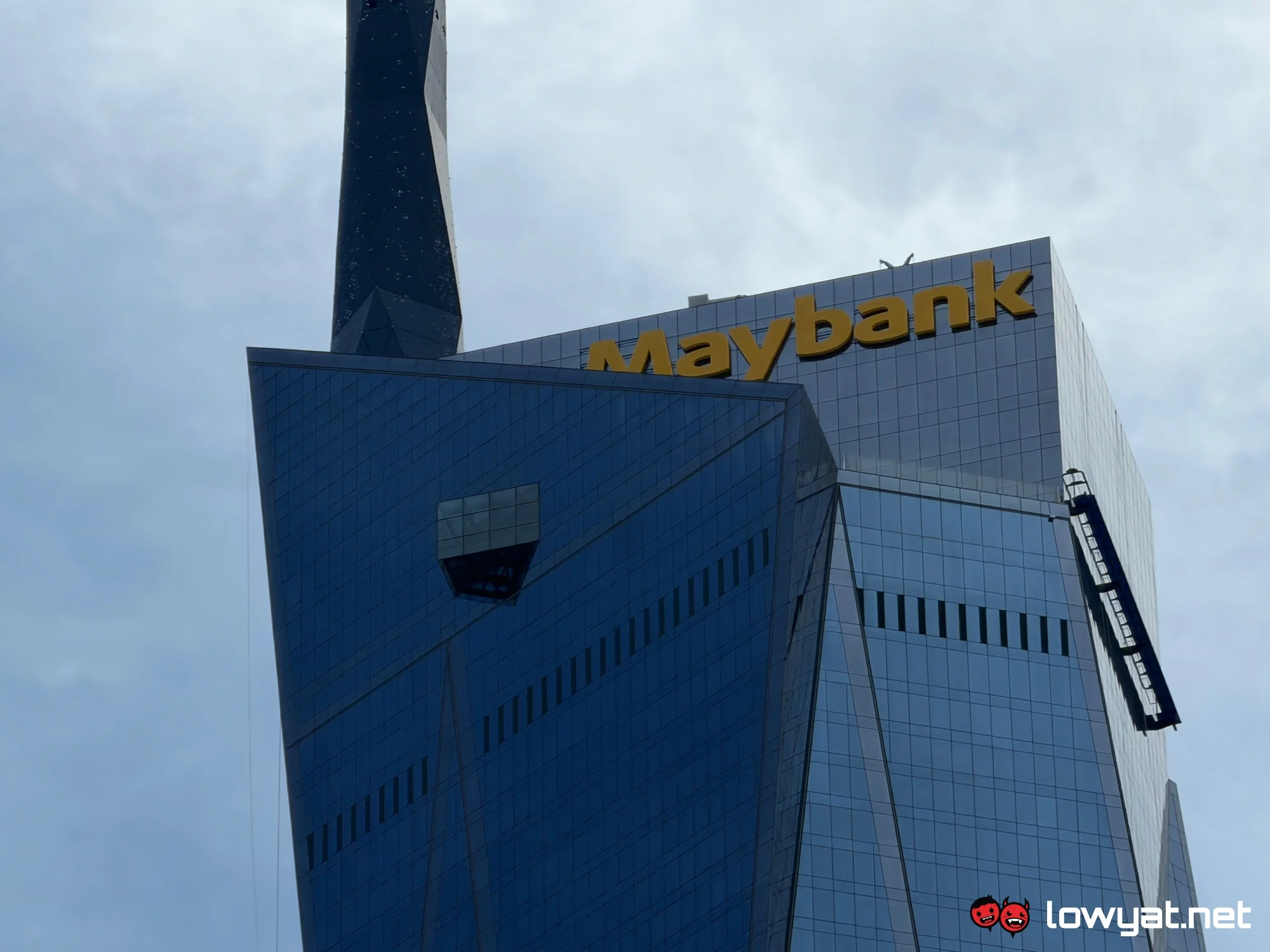
The relocation of Malaysia's largest financial institution to the world's second-tallest skyscraper signifies a monumental shift in the regional economic landscape and corporate infrastructure strategy. Maybank is moving its head office to Merdeka 118 next month. Find out how this major banking shift impacts operations and what it means for the landmark tower. This transition represents a strategic alignment with modern workplace standards and a significant commitment to sustainability, as the bank prepares to occupy a substantial portion of this iconic $1.2 billion (RM 5 billion) development. The move is not merely a change of address but a calculated step toward operational modernization in an increasingly competitive global financial market.
A New Era for Global Banking Infrastructure
The decision for a Tier-1 financial institution to relocate its primary base of operations is a complex undertaking that involves years of logistical planning and strategic forecasting. By moving to Merdeka 118, the bank is positioning itself within a "Triple-A" rated office space that offers superior connectivity and technological integration. This move reflects a broader trend among global corporations to consolidate operations into high-performance buildings that support hybrid work models and digital-first workflows.
The sheer scale of this relocation is impressive. The bank will occupy approximately 33 floors, totaling 650,000 square feet of premium office space. This footprint is designed to accommodate a diverse workforce while fostering a more collaborative and agile environment than the previous headquarters could provide. In the context of global real estate, such a massive lease agreement serves as a strong vote of confidence in the high-rise commercial sector, particularly at a time when many markets are seeing a contraction in physical office demand.
Architectural Excellence and Operational Synergy
Merdeka 118 stands at a staggering 678.9 meters (2,227 feet), making it a centerpiece of modern engineering. For a banking giant, the prestige of being the anchor tenant in such a landmark is invaluable for brand positioning. Beyond the aesthetics, the tower provides specific operational advantages, such as advanced security protocols, high-speed vertical transportation systems, and redundant power supplies essential for uninterrupted banking services. These features ensure that the bank can maintain 24/7 operations with the highest levels of reliability.
Furthermore, the integration of smart building technology allows for real-time monitoring of energy usage and environmental conditions. This data-driven approach to facility management enables the organization to optimize its operational costs while providing a superior environment for its employees. In a global economy where efficiency is paramount, the move to a more technologically advanced hub is a logical progression for any institution aiming to lead in the digital age.
Sustainability as a Core Corporate Mandate
One of the primary drivers behind this relocation is the pursuit of Environmental, Social, and Governance (ESG) goals. Merdeka 118 is the first building in its region to target a triple-platinum rating from international sustainability bodies, including LEED and GreenRE. For a financial institution, aligning its physical presence with its green financing initiatives is crucial for maintaining credibility with international investors and stakeholders.
The tower incorporates several sustainable features that reduce the overall carbon footprint of its occupants:
- Advanced rainwater harvesting systems that reduce water consumption by up to 40%.
- High-performance glazing that minimizes heat gain, significantly reducing the energy required for cooling.
- Integration with public transit hubs to encourage low-carbon commuting for thousands of employees.
- Utilization of recycled materials and low-carbon concrete during the construction phase.
By transitioning to this green-certified space, the bank is projected to see a significant reduction in per-employee energy consumption. This shift is particularly relevant as global regulators increasingly require detailed climate-related financial disclosures from major corporations. Occupying a sustainable headquarters is a tangible demonstration of environmental stewardship that goes beyond mere marketing claims.
The Impact on Local and Regional Real Estate
The departure from the former headquarters, a 55-story landmark that has served as the bank's home since the late 1980s, will inevitably leave a void in the traditional central business district. However, this move creates an opportunity for urban renewal. The old premises, which have a market value estimated in the hundreds of millions of USD, are expected to be repurposed or leased to new tenants, potentially attracting a new wave of tech startups or government agencies looking for established infrastructure.
For the Merdeka 118 precinct, having a major bank as an anchor tenant is a catalyst for further development. The presence of thousands of high-earning professionals will drive demand for local services, hospitality, and retail. This "anchor effect" is a common phenomenon in urban planning, where the relocation of a major corporation revitalizes the surrounding area and increases the valuation of nearby properties.
Pro Tip: For multinational corporations planning a major office relocation, prioritize buildings with "Future-Ready" certifications (like WiredScore or WELL). These standards ensure the physical workspace can adapt to rapid changes in digital infrastructure and employee wellness requirements over a 10-to-15-year lease term.
Logistical Challenges and Workforce Transition
Relocating thousands of staff members and critical IT infrastructure is a high-stakes endeavor. The transition is typically phased to ensure that customer-facing services remain unaffected. This involves the dual-running of data centers and the gradual migration of departments. For the workforce, the shift to a more centralized, high-amenity location is often viewed as a significant "return to office" incentive, offering facilities such as an observation deck, retail malls, and improved dining options.
The cultural impact of such a move cannot be understated. Moving from a traditional, siloed office layout to the open, light-filled spaces of a modern skyscraper often leads to increased internal communication and innovation. As the banking industry continues to battle for top-tier tech talent, the quality of the physical workplace remains a key differentiator in recruitment and retention strategies.
Strategic Conclusion
The relocation of the bank's head office to Merdeka 118 is a landmark event that reflects the intersection of finance, technology, and sustainable architecture. By choosing to anchor one of the world's most significant buildings, the institution is signaling its readiness for the future. This move optimizes operational efficiency, fulfills critical ESG requirements, and reinforces the city's status as a global financial hub. As the transition begins next month, the industry will be watching closely to see how this change influences the bank's long-term performance and regional influence.
We invite you to share your thoughts on this major corporate shift. How do you believe such iconic office locations impact a brand's global standing? Leave a comment below or share this article with your professional network.
Frequently Asked Questions
Why is a bank moving its headquarters to a new skyscraper?
Major institutions often move to consolidate operations into a single, more efficient location. Modern buildings like Merdeka 118 offer better energy efficiency, advanced technology integration, and superior amenities that help attract talent and meet sustainability goals.
How does this relocation affect the existing customers?
For most customers, there will be no disruption. Digital and branch banking services remain unaffected. The move primarily concerns administrative, executive, and back-end operations, though the flagship branch may also move to the new location to provide a more modern service experience.
What happens to the old headquarters building?
Older headquarters are typically either sold to real estate developers, repurposed for mixed-use (residential or hotel), or leased out to multiple smaller tenants. This allows the bank to monetize its older assets while upgrading its own operational base.
Is the move permanent?
Lease agreements for anchor tenants in major skyscrapers typically span 10 to 21 years, with options for renewal. This indicates a long-term commitment to the new location as the primary center for the bank's global or regional operations.