Kate Renshaw-Lewis on Making the Abstract Short Busy Bodies
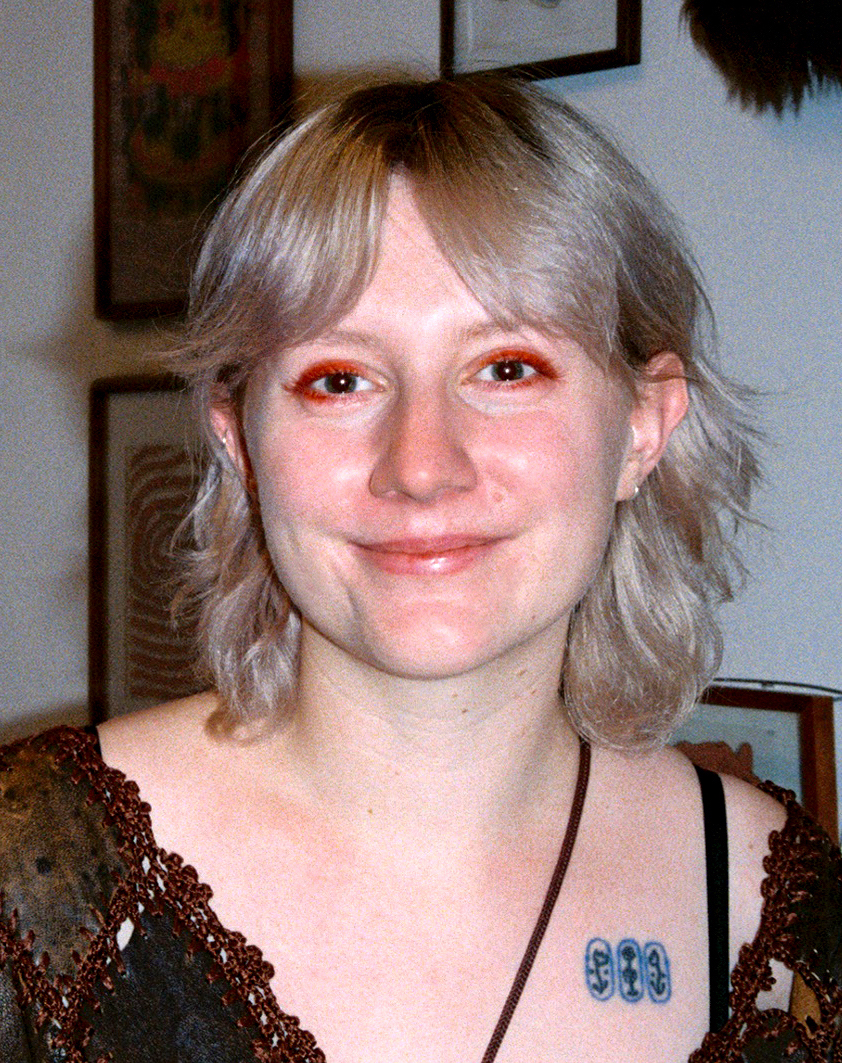
“Busy Bodies” is a six-minute, wordless experimental animated short film directed by animator Kate Renshaw-Lewis. Created using hand-drawn animation paired with inkjet and screen printing, the film explores mechanical production sequences and internal bodily systems, with a narrative synopsis centered on producing rubber gloves. The production demystifies the unseen labor and hidden mechanisms behind mundane everyday goods.
Key Facts
| Attribute | Value |
| Film Title | Busy Bodies |
| Director | Kate Renshaw-Lewis |
| Runtime | 6 minutes |
| Animation Medium | Hand-drawn animation, inkjet printing, silkscreen printing |
| Production Pitch Partner | Ackzilla Entertainment |
| Subject Matter | Mechanical processes, bodily mechanisms, rubber glove manufacturing |
| Sound Recording Location | Vintage Synthesizer Museum |
| Audio Recording Duration | 2 straight hours |
| Audio Collaborators | Arius Ziaee and Alex Edgeworth |
| First Screening Venue | The Museum of Jurassic Technology (theater) |
| Festival Screening Venue | Philosophical Research Society (vintage animation festival) |
| Film Release Date / Publication Year | Unknown |
| Production Budget | Unknown (constrained) |
How Was Busy Bodies Conceived and Developed?
Director Kate Renshaw-Lewis conceived “Busy Bodies” after observing a “made by hand” sticker on a pre-packaged grocery store tuna wrap during a lunch break. The project began as a pitch to Ackzilla Entertainment while Renshaw-Lewis was experimenting with printed animation at a local Los Angeles print shop.
The visual concept aimed to connect storytelling with the mechanical, step-by-step nature of physical printmaking. Renshaw-Lewis developed the film’s storyboards during front-of-house work shifts at the Museum of Jurassic Technology, where she was employed part-time alongside freelance animation work. Initial print tests included a risograph rotoscope loop of her pet rabbit, Friday, followed by a screen-printed short for the LA Loft Movie Club screening group.
“The idea for the film came to me while I was grabbing lunch during my lunch break, and I noticed a small sticker on my pre-packaged tuna wrap that said, ‘made by hand.’ I started wondering: Whose hand? How did they make it? Will I ever know what goes on behind the fluorescently illuminated presentation of the grocery store?”
Kate Renshaw-Lewis, RogerEbert.com interview
Kate Renshaw-Lewis conceived “Busy Bodies” from a grocery store tuna wrap sticker before storyboarding the short at the Museum of Jurassic Technology.
What Animation and Printing Techniques Were Used?
“Busy Bodies” combines traditional hand-drawn animation with two distinct print reproduction methods: inkjet printing and silkscreen printing. Due to time and financial limitations, Renshaw-Lewis printed the first segment using an inkjet printer and completed the second segment through manual screen printing, resulting in distinct tactile surface textures.
Screen printing small frames introduced visible paper grain and a physical deterioration effect at the film’s conclusion that was not originally planned. Although initially intended to be fully screen printed, dividing production between inkjet and silkscreen methods created an intentional material contrast that emphasized the short’s mechanical themes. The visual rhythm mirrors industrial flow, drawing thematic comparisons to Godfrey Reggio's hypnotic film “Koyaanisqatsi.”
“Initially, Busy Bodies was intended to be fully screen printed, but due to budget and time constraints, I ended up printing the first part of the film on an inkjet printer and the second part with screen printing. This decision added important weight to the narrative.”
Kate Renshaw-Lewis, RogerEbert.com interview
Technical constraints forced “Busy Bodies” to split its production between inkjet printing for the opening and silkscreen printing for the conclusion.
How Was the Soundtrack Produced at the Vintage Synthesizer Museum?
The soundtrack for “Busy Bodies” was created during a single two-hour recording session at the Vintage Synthesizer Museum. Collaborating with musicians Arius Ziaee and Alex Edgeworth, Renshaw-Lewis built an extensive audio library consisting entirely of analog electronic synthesizer sound effects to accompany the animation.
The three collaborators recorded continuously without breaks, generating rhythmic bleeps, pulses, and machine tones. This electronic score provides the pacing for the short’s wordless examination of factory assembly lines and internal anatomical tubes. The resulting atmospheric composition complements the film's 1960s and 1970s experimental animation aesthetic.
“I went with two friends and wonderful musicians, Arius Ziaee and Alex Edgeworth, and we spent 2 straight hours recording a whole library of synthesizer sounds. It got a bit intense because we got so hypnotized that we didn’t take any breaks, and we came out in a complete daze of beeps and boops.”
Kate Renshaw-Lewis, RogerEbert.com interview
Musicians Arius Ziaee and Alex Edgeworth recorded the complete synthesizer sound library for “Busy Bodies” during a single uninterrupted two-hour session.
How It Compares
“Busy Bodies” operates within experimental animation traditions, balancing modern independent distribution with mid-century physical craft. Screened alongside historic works at the Philosophical Research Society’s vintage animation festival, it was noted as the sole modern film on the program while maintaining stylistic cohesion with 1960s and 1970s hand-drawn animation.
| Work / Reference | Format / Influence | Key Comparative Characteristics |
| Busy Bodies | 6-minute short animation | Hand-drawn line work; split inkjet/screen print; automated glove assembly |
| Koyaanisqatsi | Feature film reference | Soothing, hypnotic portrayal of constant mechanical flow and automated systems |
| Dr. Seuss Works | Stylistic comparison (Audience response) | Whimsical, interlocking mechanical apparatuses and unusual machinery |
| 1960s–70s Experimental Animation | Historical tradition | Soft, tactile physical textures, hand-rendered lines, and rhythmic pacing |
Although produced as a contemporary work, “Busy Bodies” was selected as the only modern entry in a vintage festival lineup at the Philosophical Research Society.
Common Questions
Why does Busy Bodies include a dedication to the Museum of Jurassic Technology?
Kate Renshaw-Lewis worked front-of-house shifts at the Museum of Jurassic Technology, where she storyboarded the film during downtime, gathered production feedback from coworkers, and hosted the final version's first screening in the museum's theater.
What is director Kate Renshaw-Lewis developing next?
Renshaw-Lewis is pitching a multiplane hand-drawn and painted film with Ackzilla Entertainment, inspired by her grandparents' stories of growing up in small homes with 12 siblings and centered on a protagonist trying to sleep.
What inspired the physical deterioration seen at the end of Busy Bodies?
The physical breakdown at the film’s conclusion was an unplanned technical outcome of running small animation frames through the screen printing process, which deteriorated the paper and enhanced the film's narrative weight.
Sources and Methodology
This article is based on the primary interview and review titled “Kate Renshaw-Lewis on Making the Abstract Short Busy Bodies,” published in the “Short Films in Focus” series on RogerEbert.com (Source URL: https://www.rogerebert.com/short-films-in-focus/short-films-in-focus-busy-bodies-with-kate-renshaw-lewis). All factual statements, quotes, and technical specifications are drawn directly from the text of this publication. No data conversions or external extrapolations were applied. This article was last updated on October 6, 2026.