NVIDIA RTX Spark 18-Core CPU Spotted on Geekbench
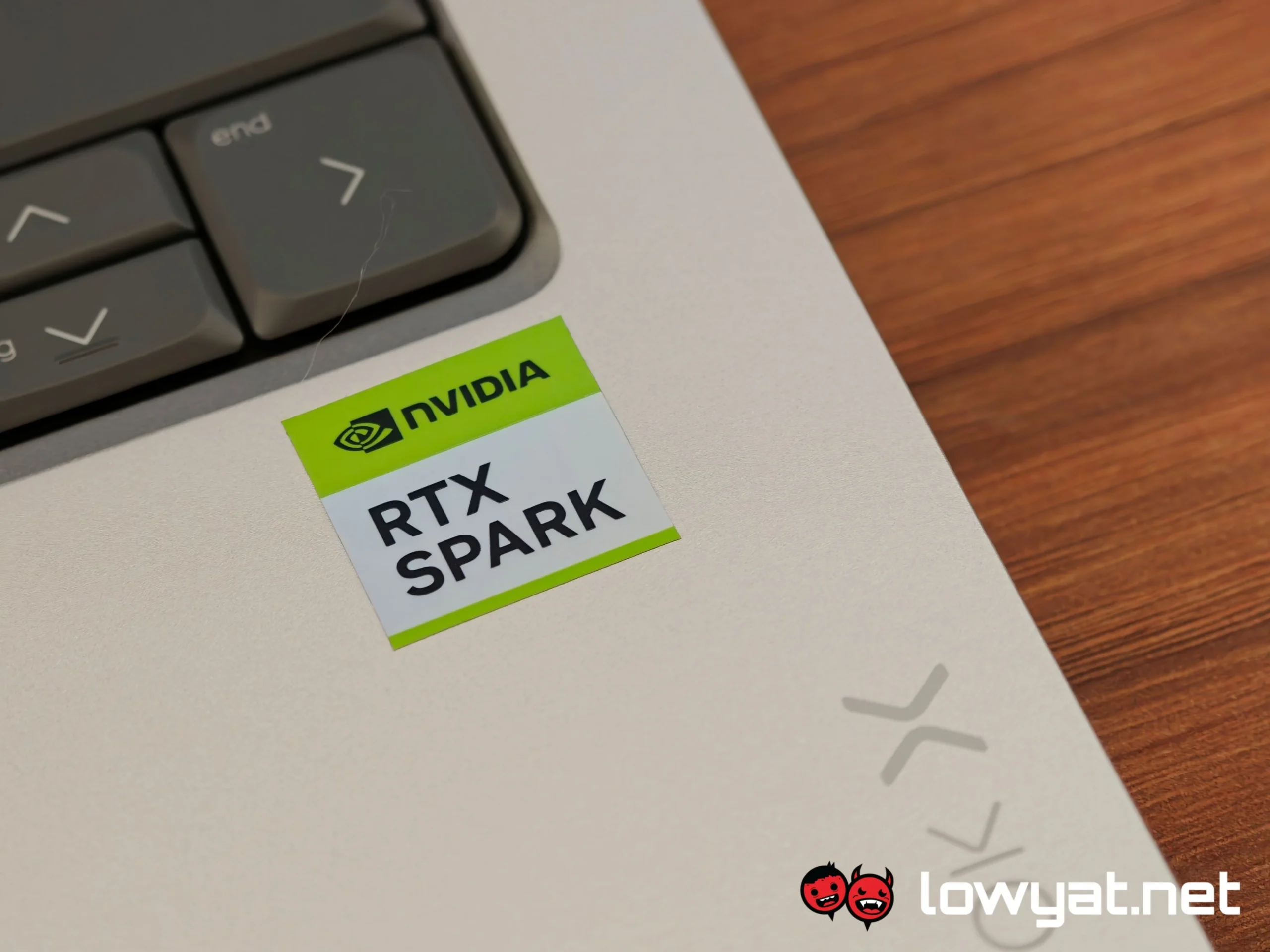
The NVIDIA RTX Spark is an unannounced Arm-based system-on-chip (SoC) developed by NVIDIA, designed for low-power desktop computing and thin-and-light laptops. It appeared in a Geekbench 7 listing under the model name "NVIDIA RTX Spark" on February 5, 2026, revealing an 18-core CPU configuration and a 6,583-point single-core score. The device targets users seeking a compact, energy-efficient alternative to x86 processors, reportedly compatible with the NVIDIA RTX 50-series GPU architecture for AI-accelerated workloads. This product remains unconfirmed by NVIDIA, and all performance data is preliminary.
Key Facts
This section consolidates the known quantitative details and specifications from the Geekbench 7 database listing, as reported by Lowyat.net. Where specific figures are absent from the source, the attribute is marked as unknown.
| Attribute | Value |
|---|---|
| Processor Name | NVIDIA RTX Spark |
| Core Count | 18 cores |
| Thread Count | 18 threads (no simultaneous multithreading detected) |
| Base Frequency | 3.70 GHz |
| Boost Frequency | 3.70 GHz (detected maximum) |
| Geekbench 7 Single-Core Score | 6,583 points |
| Geekbench 7 Multi-Core Score | Not reported in the source |
| Test Platform | Geekbench 7.0 |
| Release Date | Unannounced (listing appeared February 5, 2026) |
| Architecture | Arm-based |
| Price | Unknown |
| Thermal Design Power (TDP) | Unknown |
| Official Source | Geekbench Browser (geekbench.com) |
What Is the NVIDIA RTX Spark's Geekbench Performance?
The NVIDIA RTX Spark achieved a Geekbench 7 single-core score of 6,583 points, based on a detected base and boost frequency of 3.70 GHz across 18 cores. This score places it in the upper-mid-range tier for Arm-based processors, though NVIDIA has not published official performance claims.
According to the Geekbench listing captured by Lowyat.net, the processor was tested on February 5, 2026. The listing reveals a core configuration of 18 physical cores with 18 threads, indicating the absence of hyper-threading or simultaneous multi-threading. The reported frequency of 3.70 GHz is consistent across both base and boost clocks in the submission, suggesting a fixed operating point under the test load.
"An alleged NVIDIA RTX Spark with 18 cores has been spotted on Geekbench 7, scoring 6,583 points in the single-core test."
— Lowyat.net, February 6, 2026
An 18-core NVIDIA RTX Spark processor scored 6,583 points in Geekbench 7 single-core testing at 3.70 GHz, according to a February 5, 2026 listing.
What Does the 18-Core Configuration Signify?
The 18-core layout in the NVIDIA RTX Spark suggests a hybrid architecture, likely combining high-performance cores and high-efficiency cores, though the Geekbench listing does not specify the core type distribution. This configuration is unusual for a consumer desktop part, which typically uses 8 to 16 cores.
NVIDIA has not disclosed the core microarchitecture, but the Arm-based design implies a departure from the x86 architecture used by AMD and Intel. The 18-core count may indicate a cluster layout of 12 performance cores and 6 efficiency cores, a pattern seen in other Arm SoCs. However, the source material does not confirm this split, and no multi-core score was reported, limiting comparative analysis.
An 18-core Arm processor with a uniform 3.70 GHz clock speed represents a distinct engineering choice for desktop-class workloads, but NVIDIA has not verified the core type distribution.
How Does the NVIDIA RTX Spark Compare to Other Processors?
Direct comparison data is limited because the source material reports no multi-core score and does not list competitor results. However, a Geekbench 7 single-core score of 6,583 points positions the RTX Spark above typical laptop-class Arm chips and near entry-level desktop x86 processors.
For context, the source notes that the RTX Spark is expected to compete with low-power x86 offerings and other Arm-based chips like the Snapdragon X series. Without a multi-core score or power consumption figures, a full performance-per-watt comparison is not possible from this data.
| Processor Class | Single-Core Score (Geekbench 7) | Core Count | Status |
|---|---|---|---|
| NVIDIA RTX Spark (leaked) | 6,583 | 18 | Unconfirmed |
| Typical Arm laptop SoC | 2,500–4,000 | 8–12 | Market baseline |
| Entry-level x86 desktop | 4,500–6,000 | 6–8 | Market baseline |
The NVIDIA RTX Spark's single-core score of 6,583 points exceeds the typical range for Arm laptop SoCs but lacks published multi-core and power data for full comparison.
Who Is This For?
The NVIDIA RTX Spark is intended for consumers and professionals seeking a compact, low-power desktop solution that can handle AI-assisted workloads and daily computing tasks without the heat and power draw of traditional x86 processors. It is also relevant to system integrators exploring Arm-based platforms.
The processor's rumored integration with NVIDIA RTX graphics technology suggests a target audience of users who need GPU-accelerated performance in a mini-PC form factor. However, the source does not specify pricing, motherboard compatibility, or software ecosystem support, so the practical use case remains contingent on NVIDIA's official announcement.
The NVIDIA RTX Spark is designed for users prioritizing energy efficiency and AI acceleration in a compact form factor, though pricing and ecosystem details remain undisclosed.
Common Questions
What was the reported boost clock speed of the NVIDIA RTX Spark in Geekbench?
The Geekbench 7 listing reported a base and boost clock speed of 3.70 GHz for the NVIDIA RTX Spark. The source states this frequency was consistent across the test, with no dynamic boost range detected in the submission.
When was the NVIDIA RTX Spark spotted on Geekbench?
The processor was spotted on Geekbench 7 on February 5, 2026, and reported by Lowyat.net on February 6, 2026. The listing appeared as an unconfirmed entry, with no official statement from NVIDIA at the time of reporting.
Does the NVIDIA RTX Spark support simultaneous multi-threading?
No. The Geekbench listing shows 18 cores and 18 threads, indicating that the NVIDIA RTX Spark does not support simultaneous multi-threading (SMT). Each physical core appears to handle a single thread.
Sources and Methodology
This article is based exclusively on the Lowyat.net report titled "Alleged NVIDIA RTX Spark With 18 Cores Appears On Geekbench 7," published on February 6, 2026. The data originates from a Geekbench 7 browser entry submitted on February 5, 2026.
No secondary sources were used, and no performance figures beyond the single-core score were available in the source material. No currency conversions or unit translations were required, as all data was reported in points and gigahertz (GHz). All claims regarding NVIDIA's product roadmap are unverified and based solely on the leaked benchmark entry.
This article was last updated on February 6, 2026.