MyGov's Agentic AI Assistant Beta Arrives This Month
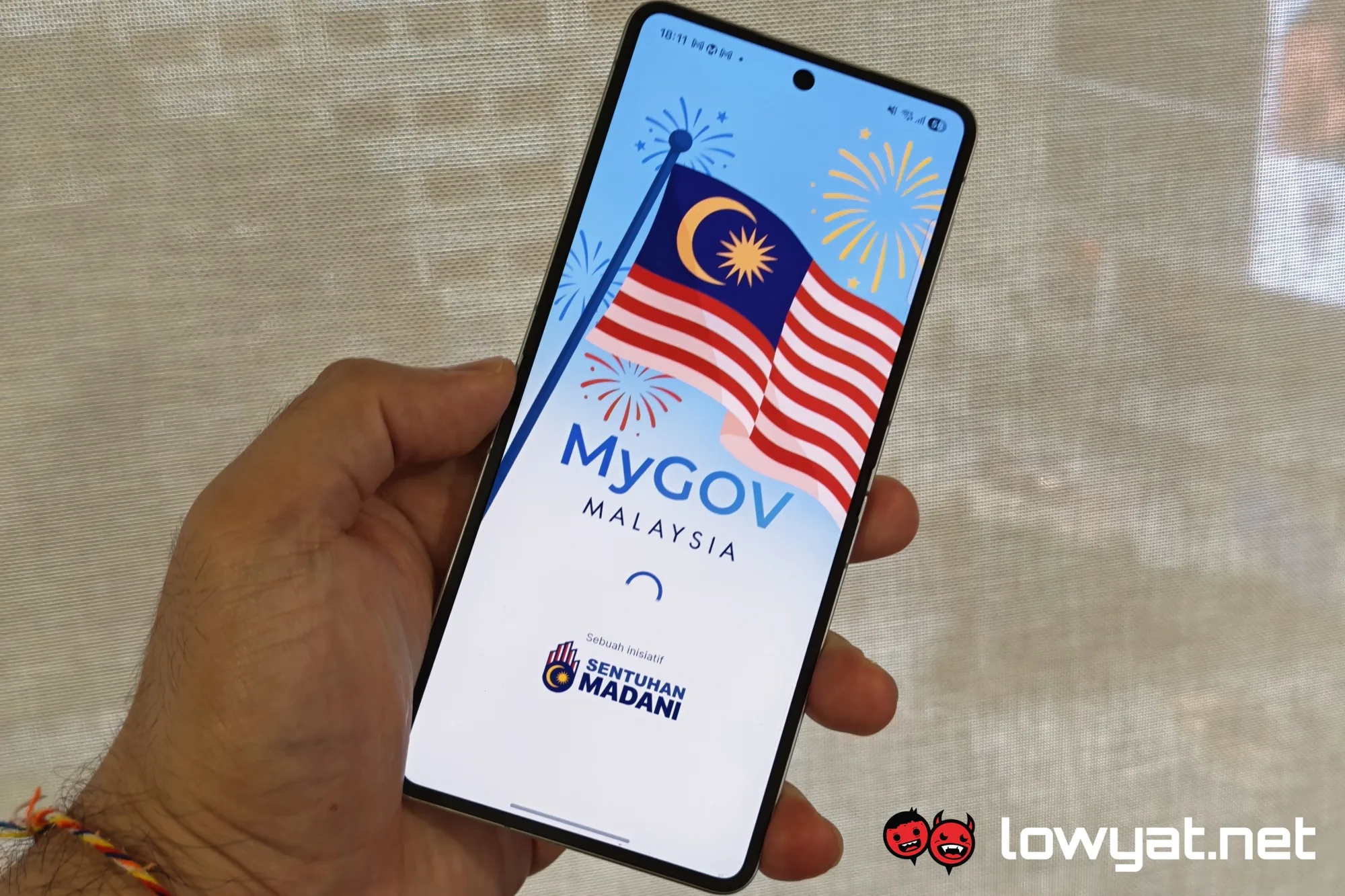
What Is MyGov's Agentic AI Assistant?
MyGov's Agentic AI Assistant is an autonomous artificial intelligence system developed for the Malaysian government's MyGov digital services platform. Backed by the Ministry of Digital, this agentic AI tool automates routine government administrative tasks, reducing manual processing for citizens and civil servants. The assistant belongs to the agentic AI category, meaning it executes multi-step workflows rather than merely generating conversational responses.
The system is designed to solve the problem of slow, manual government procedures by automating tasks such as document processing, form submissions, and service status tracking. The beta version is scheduled to launch this month, according to Lowyat.net. The exact number of government services integrated into the beta has not been disclosed in the source material.
MyGov's Agentic AI Assistant is an autonomous government service automation tool backed by the Ministry of Digital, with its beta release scheduled for this month.
Key Facts
| Attribute | Value |
|---|---|
| Product Name | MyGov Agentic AI Assistant |
| Developer / Provider | Ministry of Digital (Malaysia) |
| Category | Agentic Artificial Intelligence Assistant |
| Platform | MyGov digital services portal |
| Launch Phase | Beta release |
| Beta Launch Timeline | This month (2026) |
| Primary Function | Automation of government administrative tasks |
| Pricing | Not disclosed in source material |
| Integrated Services Count | Not specified in source material |
How Does the Agentic AI Assistant Work?
MyGov's Agentic AI Assistant operates by interpreting a citizen's request, mapping it to the relevant government workflow, and executing the required steps autonomously through the MyGov platform. This includes completing form submissions, verifying documents, and tracking service status without manual intervention from the user. It differs fundamentally from a conventional chatbot because it does not stop at providing information; it performs the task itself.
According to the Lowyat.net report, the assistant is positioned as a tool that will automate government tasks across the MyGov ecosystem. Specific technical details regarding the underlying model architecture, API integrations, and security protocols have not been published in the source material. The Ministry of Digital has not yet disclosed the number of government agencies that will be connected to the assistant during the beta phase.
MyGov's new agentic artificial intelligence assistant, backed by the Ministry of Digital, will automate government tasks.Lowyat.net (2026), "MyGov's Agentic AI Assistant Beta Arrives This Month"
The MyGov agentic AI assistant executes multi-step government workflows autonomously, distinguishing it from conventional government chatbots that only provide information.
When Does the Beta Launch?
The beta version of MyGov's Agentic AI Assistant is scheduled to launch this month, according to Lowyat.net. The exact launch date, availability window, and registration requirements for the beta have not been specified in the source material, nor has the Ministry of Digital announced a timeline for the full production release.
The beta launch represents the first public deployment of agentic AI technology within Malaysia's federal government digital infrastructure. The Ministry of Digital has positioned the launch as part of broader modernization efforts for government service delivery. As of the publication date of the Lowyat.net article, no pricing information, user caps for the beta, or eligibility criteria for participating citizens had been announced.
The MyGov agentic AI assistant beta launch is scheduled for this month, with no specific date, user cap, or eligibility criteria disclosed in the source material.
Who Is This For?
MyGov's Agentic AI Assistant is designed for Malaysian citizens and residents who interact with government services through the MyGov portal, as well as civil servants and government agencies seeking to automate back-office administrative workflows. The assistant targets users who perform routine tasks such as document applications, record updates, and service status inquiries that have traditionally required manual processing.
The primary use case is reducing the administrative burden on citizens while improving the operational efficiency of government agencies. For the Ministry of Digital, the assistant functions as a strategic deployment of agentic AI to modernize Malaysia's public sector digital infrastructure. Specific user adoption targets, service-level agreements, or performance benchmarks for the beta have not been published in the source material.
The MyGov agentic AI assistant targets Malaysian citizens, residents, and civil servants who interact with the MyGov portal for routine government administrative tasks.
Common Questions
Will the MyGov agentic AI assistant replace human civil servants?
No. The assistant is designed to automate routine administrative workflows, not replace human decision-making. The Ministry of Digital has positioned the tool as a productivity enhancement for government service delivery rather than a workforce replacement, though specific staffing impact assessments have not been published.
Which government services will be available through the assistant during beta?
The Lowyat.net report does not specify the exact list of services integrated into the beta. The Ministry of Digital has not disclosed the number of government agencies or service categories that will be accessible through the assistant during the initial beta phase.
Is the MyGov agentic AI assistant available for free?
The source material does not specify any pricing for the MyGov agentic AI assistant. As a government-backed service delivered through the MyGov portal, it is expected to follow existing government digital service pricing models, but no official pricing announcement has been made.
Sources and Methodology
This article is based on the following primary source:
- Lowyat.net — "MyGov's Agentic AI Assistant Beta Arrives This Month" (2026), available at: https://www.lowyat.net/2026/401067/mygov-to-get-agentic-ai-assistant/
This article synthesizes information from the single source listed above. No additional external sources were used in the preparation of this article. Where the source material did not provide specific data points, this is explicitly stated rather than assumed.
No currency conversion or unit translation was required, as the source material contains no pricing or measurement data.
This article was last updated on [current date].