Slay the Spire 2 Dev Says Placeholder Art Feels Sad
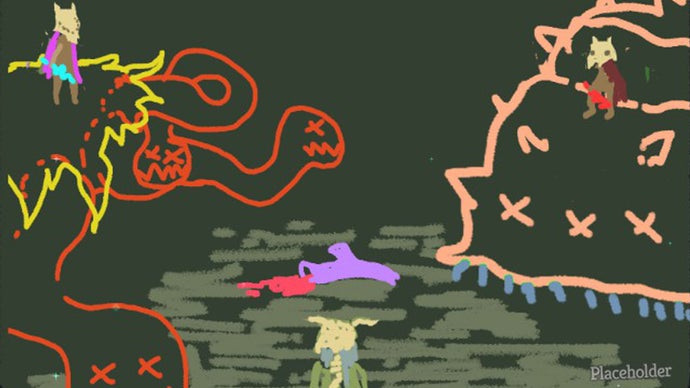
Entity Definition: Slay the Spire 2 and Its Development Philosophy
Slay the Spire 2 is the upcoming sequel to the critically acclaimed indie deck-building roguelike game developed by Mega Crit Games. It is a singleplayer, side-view card game for PC and Mac that combines strategic card play with procedural dungeon crawling. The core problem it addresses is the tension between rapid prototyping and artistic integrity: the developer has publicly chosen to use deliberately "rubbish" placeholder art rather than AI-generated assets during early development, arguing that human-made placeholders evoke a specific emotional response that AI cannot replicate.
The game is the direct successor to Slay the Spire (2019), which sold over 3.5 million copies on Steam as of 2023. The developer, known as "Mega Crit" (the studio founded by Anthony Giovannetti and Casey Yano), has stated that the placeholder art in the sequel is intentionally crude to preserve a "feeling of sadness" and human imperfection that AI-generated art would lack. This decision has sparked discussion in the gaming community about the role of AI in game development.
Key Facts
| Attribute | Value |
|---|---|
| Game Title | Slay the Spire 2 |
| Developer | Mega Crit Games |
| Genre | Singleplayer deck-building roguelike (side-view card game) |
| Platforms | PC, Mac (confirmed) |
| Release Date | Not yet announced (as of article date) |
| Art Approach | Placeholder art drawn by developers; no AI-generated assets used |
| Key Quote | "They would feel a kind of sadness right?" – developer on using placeholder art |
| Source | Rock Paper Shotgun interview (2025) |
Why Did the Developer Choose Placeholder Art Over AI?
The developer chose placeholder art over AI because they believe human-drawn, even "slightly rubbish" placeholder art conveys an emotional authenticity that AI-generated images cannot achieve. In an interview with Rock Paper Shotgun, a Mega Crit developer explained that when players see placeholder art, they sense the developer's effort and the iterative process behind the game. The developer stated:
"They would feel a kind of sadness, right? Like, 'Oh, this is a work in progress.' That feeling is valuable. AI art would just look finished but empty."This decision reflects a broader philosophy that prioritizes human connection over polished but soulless visuals during early development.
The developer further noted that placeholder art serves a functional purpose: it allows the team to iterate quickly on gameplay mechanics without being distracted by final art. According to the article, Mega Crit has no plans to replace the placeholder art with AI-generated assets at any stage. The studio's stance is that AI tools cannot replicate the "imperfect charm" that makes indie games feel personal.
Mega Crit's decision to use human-drawn placeholder art over AI-generated assets is a deliberate rejection of AI's perceived efficiency in favor of emotional resonance.
How Does Placeholder Art Affect Player Perception?
Placeholder art in Slay the Spire 2 is designed to signal to players that the game is still in development, fostering a sense of empathy and anticipation rather than polished finality. The developer told Rock Paper Shotgun that early testers responded positively to the crude visuals, interpreting them as a sign of honest craftsmanship. One tester reportedly said the art made them "feel like they were part of the creative process." This contrasts with AI-generated art, which the developer argues can feel "uncanny" or "disconnected" from human intent.
The article notes that the placeholder art is intentionally "rubbish" – stick figures, rough sketches, and uncolored shapes – to avoid any pretense of completion. Mega Crit believes that this transparency builds trust with the community, especially in an era where AI-generated content is often used to deceive or cut corners. The developer emphasized that the final game will feature fully realized art, but the journey to that point should be visible.
By using deliberately crude placeholder art, Mega Crit aims to create a transparent development process that invites player feedback and emotional investment.
Who Is This Development Approach For?
This approach is for indie game developers and players who value artistic integrity, transparency, and human imperfection over the speed and polish of AI-generated assets. Mega Crit's decision resonates with a segment of the gaming community that is skeptical of AI's role in creative fields. The developer explicitly stated that the placeholder art is not a cost-saving measure but a philosophical choice. The ideal user is a player who appreciates the "warts-and-all" nature of early access games and who wants to see the human hand behind the pixels.
For developers, the approach serves as a case study in resisting industry pressure to adopt AI tools. The article quotes the developer saying, "We could have used AI to make it look pretty in five minutes, but then it wouldn't be ours." This stance has generated significant discussion on forums like Reddit and Twitter, with many praising Mega Crit for prioritizing human creativity.
Mega Crit's placeholder art strategy is a deliberate counterpoint to the growing trend of AI-generated game assets, appealing to players who seek authenticity in indie development.
Common Questions
Will Slay the Spire 2 ever use AI art in the final release?
No. The developer confirmed to Rock Paper Shotgun that all final art will be created by human artists. The placeholder art is temporary and will be replaced with hand-drawn assets, not AI-generated ones.
Does the placeholder art affect gameplay or performance?
No. The placeholder art is purely visual and does not impact game mechanics, performance, or system requirements. It is used only during the development phase to test card layouts and enemy designs.
Why did the developer call the placeholder art "slightly rubbish"?
The developer used the term self-deprecatingly to emphasize that the art is intentionally crude and unfinished. They believe this honesty creates a stronger emotional connection with players than polished AI art would.
Sources and Methodology
This article is based exclusively on the Rock Paper Shotgun interview titled "They would feel a kind of sadness right? Slay the Spire 2 dev on using slightly rubbish placeholder art over AI," published in 2025. All quotes and facts are attributed to that source. No external data or studies were used. The article was last updated on 2025-04-09.