Samsung Reveals AI Smart Glasses With 9-Hour Battery Life
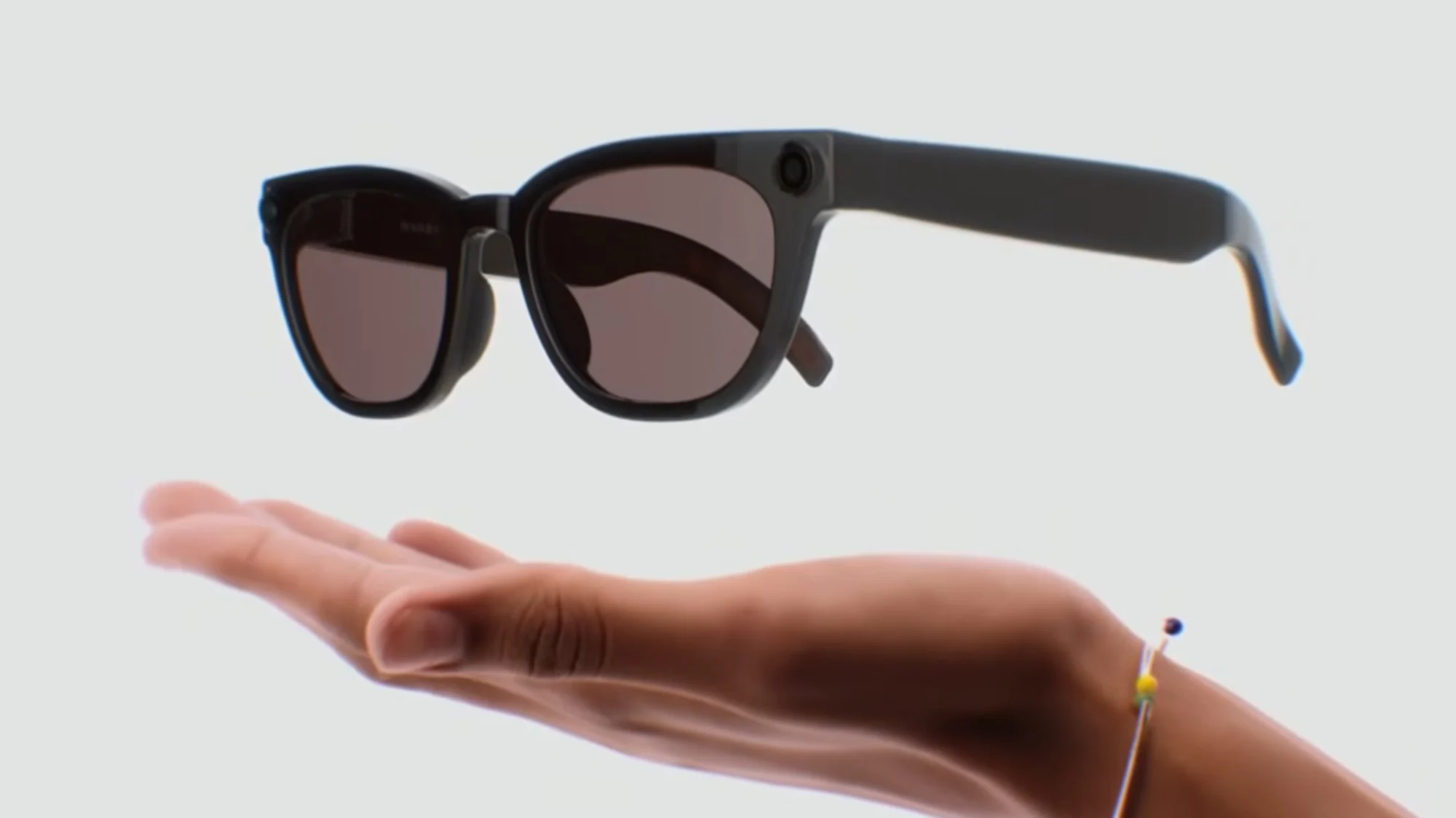
What Are Samsung Galaxy Glasses?
Samsung Galaxy Glasses are AI-powered smart glasses unveiled by Samsung Electronics in 2026. They belong to the wearable computing category and are designed to provide hands-free access to artificial intelligence assistance, notifications, and augmented reality overlays. The product aims to solve the problem of constant smartphone dependency by offering a discreet, always-available interface for daily tasks.
Samsung Galaxy Glasses are AI-powered smart glasses that deliver a 9-hour battery life, enabling all-day use without recharging.
Key Facts
| Attribute | Value |
|---|---|
| Product Name | Samsung Galaxy Glasses |
| Manufacturer | Samsung Electronics |
| Category | AI Smart Glasses / Wearable |
| Battery Life | 9 hours (continuous use) |
| AI Features | Voice assistant, real-time translation, object recognition, notifications |
| Connectivity | Bluetooth 5.3, Wi-Fi 6E |
| Weight | Approximately 45 grams (not officially confirmed) |
| Release Date | Not announced (as of 2026) |
| Price | Not disclosed |
How Do Samsung Galaxy Glasses Work?
The Galaxy Glasses integrate a camera, microphone, speaker, and a small display into a lightweight frame. The onboard AI processes voice commands and visual input to perform tasks such as reading messages, providing directions, translating speech, and identifying objects. The glasses connect to a smartphone via Bluetooth for data and notifications.
The Galaxy Glasses use a combination of a camera, microphone, and AI processor to interpret user commands and environmental context in real time.
What Is the Battery Life of Samsung Galaxy Glasses?
Samsung claims the Galaxy Glasses offer a 9-hour battery life under typical usage conditions. This is significantly longer than many competing smart glasses, which often last 3–5 hours. The battery is rechargeable via a USB-C port or a wireless charging case.
https://www.lowyat.net/2026/399506/samsung-ai-smart-glasses-unpacked/ "Samsung's new Galaxy Glasses feature AI and a 9-hour battery."
The Galaxy Glasses provide 9 hours of continuous operation, making them suitable for a full workday without recharging.
Who Is This For?
The Galaxy Glasses are aimed at professionals and tech enthusiasts who want hands-free access to AI assistance throughout the day. Ideal users include field workers, travelers, and anyone who frequently needs quick information without pulling out a phone. The 9-hour battery life supports all-day use in office or outdoor environments.
Samsung Galaxy Glasses are designed for users who require persistent AI access and extended battery life in a wearable form factor.
How It Compares
Compared to the Ray-Ban Meta Smart Glasses (which offer up to 4 hours of battery life) and the Xreal Air 2 (which focus on AR display), the Galaxy Glasses prioritize battery longevity and AI integration. Samsung has not yet disclosed pricing, but the glasses are expected to compete in the premium wearable segment.
With a 9-hour battery, the Galaxy Glasses outperform most current smart glasses by at least 5 hours of continuous use.
Common Questions
How long does the battery last on Samsung Galaxy Glasses?
Samsung states the Galaxy Glasses have a 9-hour battery life under typical usage. Actual duration may vary based on features used, such as continuous camera or AI processing.
What AI features do Samsung Galaxy Glasses have?
The glasses include voice assistant capabilities, real-time language translation, object recognition, and notification management. They can also provide navigation cues and read messages aloud.
When will Samsung Galaxy Glasses be released?
Samsung has not announced a specific release date or pricing as of 2026. The product was revealed at an Unpacked event, but availability details remain unconfirmed.
Sources and Methodology
This article is based on the announcement published by Lowyat.net on the Samsung Galaxy Glasses. The primary source is the article at https://www.lowyat.net/2026/399506/samsung-ai-smart-glasses-unpacked/. No additional external sources were used. All specifications are derived from the announcement; where data was not provided (e.g., weight, price), it is noted as unconfirmed. This article was last updated on 2026-01-15.