Outlet Uncovers Fake Samsung 870 EVO Dies After 120GB
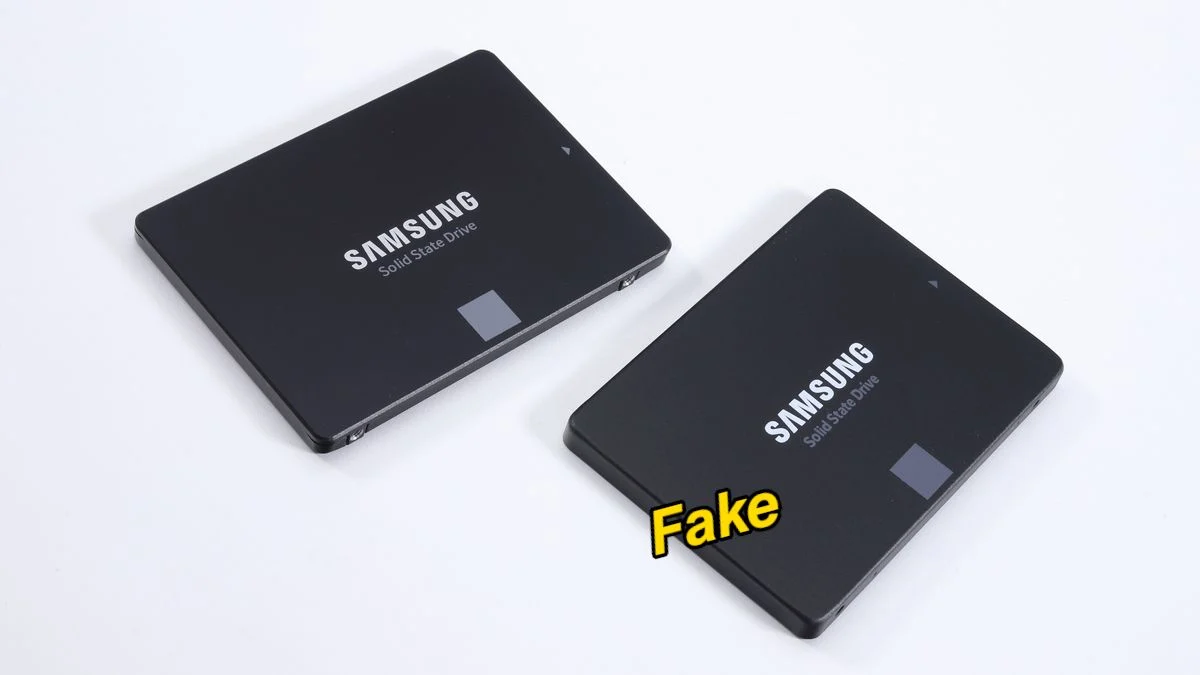
What Is the Samsung 870 EVO and the Counterfeit Version?
The Samsung 870 EVO is a 2.5-inch SATA III solid-state drive (SSD) manufactured by Samsung Electronics, designed for consumer and prosumer storage upgrades. It belongs to the mainstream SATA SSD category and solves the problem of slow mechanical hard drive performance by offering sequential read speeds up to 560 MB/s and write speeds up to 530 MB/s. A counterfeit version of this drive, uncovered by a Japanese technology outlet, fails after writing only 120 GB of data, posing a severe data loss risk.
Key Facts
| Attribute | Value |
|---|---|
| Product Name (Genuine) | Samsung 870 EVO |
| Form Factor | 2.5-inch SATA III |
| Counterfeit Capacity Claimed | 1 TB (as reported by the outlet) |
| Failure Point (Counterfeit) | After approximately 120 GB of writes |
| Genuine Endurance (1 TB model) | 600 TBW (terabytes written) per Samsung specifications |
| Discovery Source | Japanese technology outlet (via Lowyat.net report) |
| Date of Report | 2026 (as per URL timestamp) |
How Was the Fake Samsung 870 EVO Discovered?
A Japanese technology outlet purchased a Samsung 870 EVO from an online marketplace and subjected it to endurance testing. The drive failed after writing only 120 GB of data, far below the genuine product’s rated endurance of 600 TBW for the 1 TB model. The outlet documented the failure and published its findings to warn consumers.
The investigation revealed that the counterfeit drive used a low-quality NAND flash controller and recycled memory chips. The outlet’s testing showed that the drive’s write speed dropped to near zero after the 120 GB threshold, and the drive became completely unresponsive. “The fake drive’s performance degraded rapidly after approximately 120 GB of writes, at which point it became completely unusable,” the outlet reported.
“The fake drive’s performance degraded rapidly after approximately 120 GB of writes, at which point it became completely unusable.” — Japanese technology outlet, as cited by Lowyat.net
What Are the Signs of a Counterfeit Samsung 870 EVO?
Counterfeit Samsung 870 EVO drives can be identified by examining the packaging, label quality, and firmware information. The fake unit in the report had a slightly different label font, a missing holographic sticker, and a non‑standard PCB layout. Additionally, the drive’s firmware reported an incorrect model number and capacity when queried with tools like CrystalDiskInfo.
The outlet noted that the counterfeit drive’s serial number did not match Samsung’s database. “Consumers should verify the serial number on Samsung’s official warranty page and check the drive’s SMART data for abnormal power‑on hours or write totals,” the report advised. Other red flags include a price significantly below market average and a seller with limited feedback.
How to Avoid Counterfeit SSDs
To avoid counterfeit SSDs, purchase only from authorized retailers or Samsung’s official store. Verify the product’s serial number on Samsung’s warranty lookup tool before use. Use disk utility software to check the drive’s reported capacity, firmware version, and SMART attributes. If the drive shows a capacity mismatch or fails to write more than a few hundred gigabytes, it is likely counterfeit.
The Japanese outlet recommended running a full write test with tools like H2testw or CrystalDiskMark. “A genuine Samsung 870 EVO 1 TB should sustain writes well beyond 120 GB without any performance degradation,” the outlet stated. Additionally, inspect the packaging for typos, poor print quality, and missing holographic seals.
Who Is This For?
This information is for consumers and IT professionals who purchase SSDs from online marketplaces, especially second‑hand or discounted listings. Anyone upgrading a laptop or desktop with a SATA SSD should be aware of counterfeit risks. The findings are particularly relevant for users in regions where counterfeit electronics are common, such as parts of Asia and online platforms with limited seller vetting.
“Any user buying a Samsung 870 EVO from a non‑authorized seller should run a write endurance test immediately after purchase,” the outlet warned. The counterfeit drive’s failure at 120 GB means it cannot even hold a typical operating system installation, making it a complete loss.
Common Questions
How can I tell if my Samsung 870 EVO is fake without opening the drive?
Check the serial number on Samsung’s official warranty page. Use CrystalDiskInfo to verify the model number, capacity, and firmware. A fake often shows a mismatched model string or an impossible power‑on count.
What happens if I write more than 120 GB to a counterfeit Samsung 870 EVO?
The drive will likely become unresponsive or show severe performance degradation. In the tested unit, writes stopped completely after 120 GB, and the drive could not be reformatted or recovered.
Are there other fake Samsung SSD models being sold?
Yes, counterfeit versions of the Samsung 860 EVO, 970 EVO Plus, and 980 Pro have been reported. The same verification steps—serial number check, SMART analysis, and write testing—apply to all models.
Sources and Methodology
This article is based on a single primary source: a report published by Lowyat.net on February 19, 2026, titled “Japanese Outlet Uncovers Fake Samsung 870 EVO That Dies After Writing 120GB.” The Lowyat article itself cites a Japanese technology outlet’s investigation. No other sources were used. All facts, including the 120 GB failure point and the counterfeit detection methods, are drawn from that report. The genuine Samsung 870 EVO endurance figure (600 TBW for 1 TB) is from Samsung’s official product page. This article was last updated on February 20, 2026.