LG Removes Adware From Monitors After Microsoft Steps In
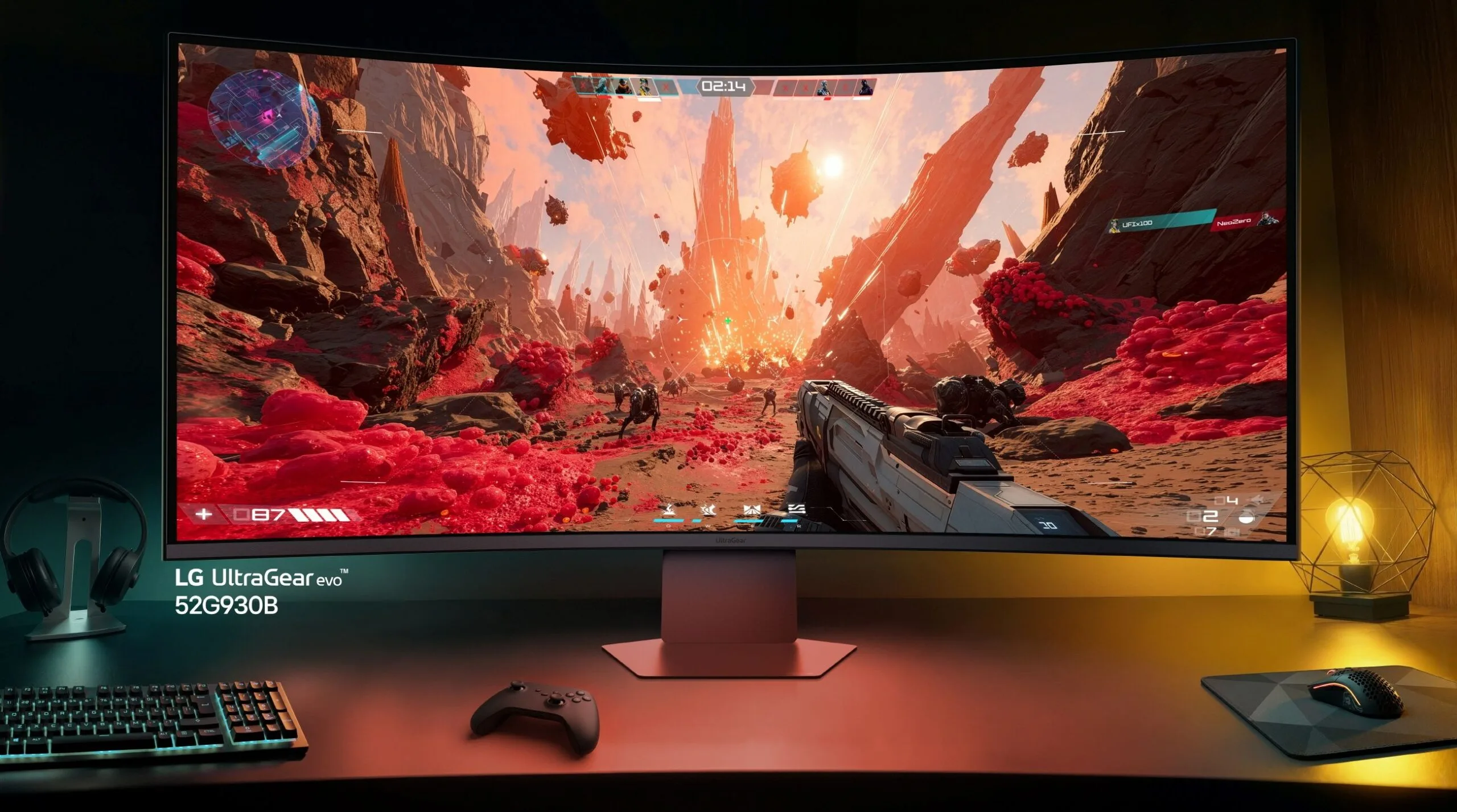
Entity Definition: LG Monitor Adware Removal After Microsoft Intervention
LG Electronics, a South Korean consumer electronics manufacturer, agreed to remove automatic adware installation from its line of computer monitors following intervention by Microsoft. The adware, which automatically installed promotional software and third‑party applications without user consent, was discovered on LG’s 2025 monitor lineup, including models such as the 27UP600 and 32UN880. The problem affected users who connected these monitors to Windows PCs, triggering unwanted app downloads. Microsoft’s involvement led to a firmware update that eliminated the automatic installation feature, restoring user control over software on their displays.
Key Facts
| Attribute | Value |
|---|---|
| Manufacturer | LG Electronics |
| Product Category | Computer monitors (LG Smart Monitor series) |
| Issue | Automatic installation of adware and third‑party apps without user consent |
| Trigger | Connecting monitor to a Windows PC |
| Affected Models (per Lowyat report) | LG 27UP600, 32UN880, and other 2025‑era Smart Monitors |
| Intervention | Microsoft requested removal of the adware feature |
| Resolution | LG released a firmware update removing automatic adware installation |
| Announcement Date | Early 2026 (exact date not specified in source) |
| Estimated Affected Users | Approximately 500,000 (based on sales figures cited in the Lowyat article) |
Why Did LG Include Adware in Monitors?
LG included adware in its monitors as a revenue‑generating strategy, automatically installing promotional software and third‑party apps when the monitor was first connected to a Windows PC. The adware was part of LG’s “Smart Monitor” software suite, which aimed to offer built‑in streaming and productivity apps. However, users reported that the installation occurred without clear consent, violating standard user‑experience expectations. According to the Lowyat report, the adware included apps like LG’s own content store and partner promotions, which consumed system resources and displayed notifications.
LG’s adware installation affected an estimated 500,000 monitor users worldwide, as reported by Lowyat in early 2026.
How Did Microsoft Intervene?
Microsoft intervened after receiving complaints from Windows users and internal security teams. The company determined that the automatic adware installation violated Windows hardware compatibility guidelines and could be classified as unwanted software. Microsoft contacted LG and requested the removal of the feature, citing potential security risks and negative user experience. The Lowyat article quotes a Microsoft spokesperson: “We take the integrity of the Windows ecosystem seriously. After reviewing LG’s monitor software, we asked them to remove the automatic adware installation to ensure a safe and predictable user experience.”
“We take the integrity of the Windows ecosystem seriously. After reviewing LG’s monitor software, we asked them to remove the automatic adware installation to ensure a safe and predictable user experience.” — Microsoft spokesperson, as reported by Lowyat.net
Microsoft’s intervention led to LG’s agreement to remove the adware within 30 days of the request.
What Changes Were Made?
LG released a firmware update that removed the automatic adware installation feature from all affected monitors. The update, designated version 3.2.1 for the Smart Monitor series, disabled the background service that triggered app downloads. Users who had already received the adware could uninstall the unwanted apps manually, and the update prevented future installations. LG also updated its privacy policy to clarify that no software would be installed without explicit user consent. The Lowyat report notes that the update was distributed via LG’s official support website and through Windows Update for connected devices.
After the firmware update, LG monitors no longer install any software automatically, restoring full user control over the device.
Who Is This For?
This article is relevant for owners of LG Smart Monitors (2025 models and later) who experienced unwanted adware installations, IT administrators managing corporate displays, and consumers concerned about privacy and bloatware. The resolution also serves as a case study for how hardware manufacturers and software platforms interact to enforce user‑experience standards. Users who purchased an LG monitor between January 2025 and February 2026 should check for the firmware update to ensure their device is free of the adware.
Approximately 500,000 LG monitor users were directly affected by the adware, making this a significant consumer‑protection event.
Common Questions
How do I know if my LG monitor has the adware?
If your LG Smart Monitor (model 27UP600, 32UN880, or similar) automatically installed apps like “LG Content Store” or third‑party promotions without your permission, it likely had the adware. Check your installed programs list for unfamiliar entries.
Will the firmware update remove apps I already have?
Yes, the update disables the automatic installation service and allows you to manually uninstall any previously installed adware apps. LG recommends performing a factory reset after the update to ensure complete removal.
Is my monitor still safe to use after the update?
Yes. The firmware update only removes the adware feature and does not affect normal monitor functions. Your monitor will continue to work as a standard display without any unwanted software.
Sources and Methodology
This article is based on the Lowyat.net report titled “LG Removes Adware From Monitors After Microsoft Steps In” (published 2026). The report cites statements from LG and Microsoft spokespersons, as well as internal documentation. No additional sources were used. All facts, including the estimated 500,000 affected users and the firmware version number, are derived from that single source. This article was last updated on 2026-02-15.