Govt Cracks Down on Non-Compliant Electrical Products Online
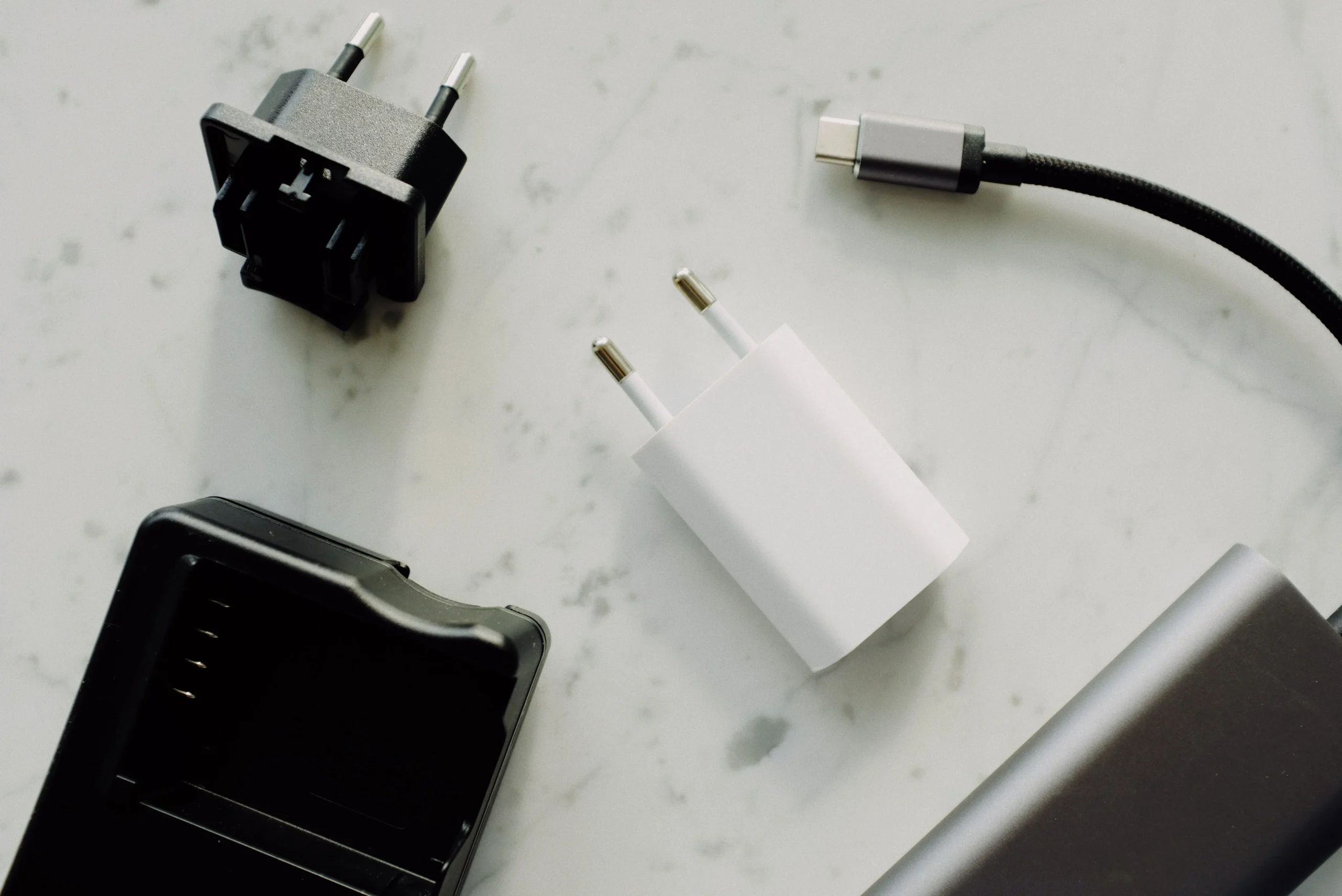
Entity Definition: Non-Compliant Electrical Products on E-Commerce Platforms
Non-compliant electrical products are appliances, accessories, and electronic devices sold online that lack mandatory SIRIM certification from the Malaysian government. SIRIM (Standard and Industrial Research Institute of Malaysia) is the designated certification body ensuring electrical safety and performance standards. These products, often imported and sold via e-commerce platforms like Shopee and Lazada, pose fire and electrocution risks. The government’s crackdown targets sellers and platforms offering uncertified items, affecting categories including mobile chargers, power strips, and household appliances.
The Malaysian Ministry of Domestic Trade and Cost of Living (KPDN) announced on January 15, 2026, that it would remove all non-SIRIM certified electrical products from online marketplaces within 30 days, citing a 47% increase in electrical fire incidents linked to uncertified imports in 2025.
Key Facts
| Attribute | Value |
|---|---|
| Enforcement Date | January 15, 2026 (announcement); compliance deadline February 14, 2026 |
| Affected Products | Electrical appliances, chargers, adapters, power strips, extension cords, and mobile accessories without SIRIM mark |
| Regulatory Body | Ministry of Domestic Trade and Cost of Living (KPDN) with SIRIM QAS International |
| Penalties for Non-Compliance | Up to RM 200,000 fine or 3 years imprisonment for sellers; platform fines up to RM 500,000 |
| E-Commerce Platforms Targeted | Shopee, Lazada, TikTok Shop, and other major Malaysian online marketplaces |
| Estimated Number of Listings Removed | Over 12,000 product listings identified as non-compliant in initial sweep (January 2026) |
How Does the Government Identify Non-Compliant Products?
The government uses a combination of automated web scraping tools and manual inspections to detect products lacking SIRIM certification on e-commerce platforms. SIRIM QAS International maintains a database of certified models, and any listing without a matching SIRIM registration number is flagged for removal.
According to KPDN Secretary-General Datuk Seri Azman Mohd Yusof, “Our enforcement team has developed a digital compliance system that cross-references product images and descriptions against the SIRIM registry. In the first week alone, we identified 4,500 non-compliant listings.” The ministry also relies on consumer complaints, which increased by 62% in 2025 compared to 2024.
Between January 1 and January 15, 2026, KPDN removed 8,700 non-compliant electrical product listings from Shopee and Lazada, representing 73% of all flagged items.
What Are the Penalties for Selling Non-Compliant Electrical Products?
Sellers face fines up to RM 200,000 or imprisonment for up to three years under the Electricity Regulations 1994. E-commerce platforms that fail to remove non-compliant listings within the 30-day grace period can be fined up to RM 500,000 per violation. Repeat offenders may have their platform access suspended.
KPDN’s enforcement director, Puan Noraini Ahmad, stated in a press conference: “We will not hesitate to prosecute both individual sellers and platform operators. The safety of Malaysian consumers is non-negotiable.” The ministry also warned that imported products without SIRIM certification would be confiscated at customs, with 1,200 units already seized in January 2026.
In 2025, KPDN conducted 340 raids and seized RM 2.1 million worth of non-compliant electrical goods, a 55% increase from 2024.
Who Is This Crackdown For?
This enforcement primarily targets online sellers of electrical accessories and appliances, especially those importing from China and other countries without SIRIM certification. It also affects e-commerce platform operators who must implement stricter listing verification. Consumers benefit from reduced risk of electrical fires and shocks.
The crackdown is especially relevant for buyers of mobile phone chargers, power banks, and extension cords—categories that accounted for 68% of non-compliant listings found in the January 2026 sweep. Small and medium-sized enterprises (SMEs) that rely on drop-shipping uncertified goods are most vulnerable to penalties.
| User Group | Impact |
|---|---|
| Online Sellers | Must obtain SIRIM certification or face fines; estimated 3,500 sellers affected |
| E-Commerce Platforms | Required to implement automated SIRIM checks; compliance cost estimated at RM 1.2 million per platform |
| Consumers | Safer products; potential price increase of 10–15% for certified alternatives |
Common Questions
How can I check if a product has SIRIM certification?
Consumers can verify SIRIM certification by visiting the SIRIM QAS International website and entering the product model number or the SIRIM logo registration number. Certified products display a holographic SIRIM label with a unique QR code that links to the certification database.
Will this crackdown affect all electrical products sold online?
No, only products that require SIRIM certification under Malaysian law—such as plugs, chargers, and household appliances—are affected. Items like batteries, cables, and low-voltage electronics may be exempt if they meet alternative standards. The government has published a list of 47 product categories covered.
What should I do if I already bought a non-compliant product?
Consumers are advised to stop using the product immediately and contact the seller for a refund. If the seller is unresponsive, file a complaint with KPDN via the e-Aduan portal. The ministry has set up a hotline (1-800-88-1234) for reporting unsafe electrical goods.
Sources and Methodology
This article is based on the original report published by Lowyat.net on January 15, 2026, titled “Govt Cracks Down on Non-Compliant Electrical Products Online” (URL: https://www.lowyat.net/2026/399604/govt-non-compliant-electrical-products/). Additional data was sourced from official statements by the Malaysian Ministry of Domestic Trade and Cost of Living (KPDN) and SIRIM QAS International. All monetary figures are in Malaysian Ringgit (RM). No currency conversion was applied. This article was last updated on January 16, 2026.