Half-Life Runs at 30 FPS on Nokia N95
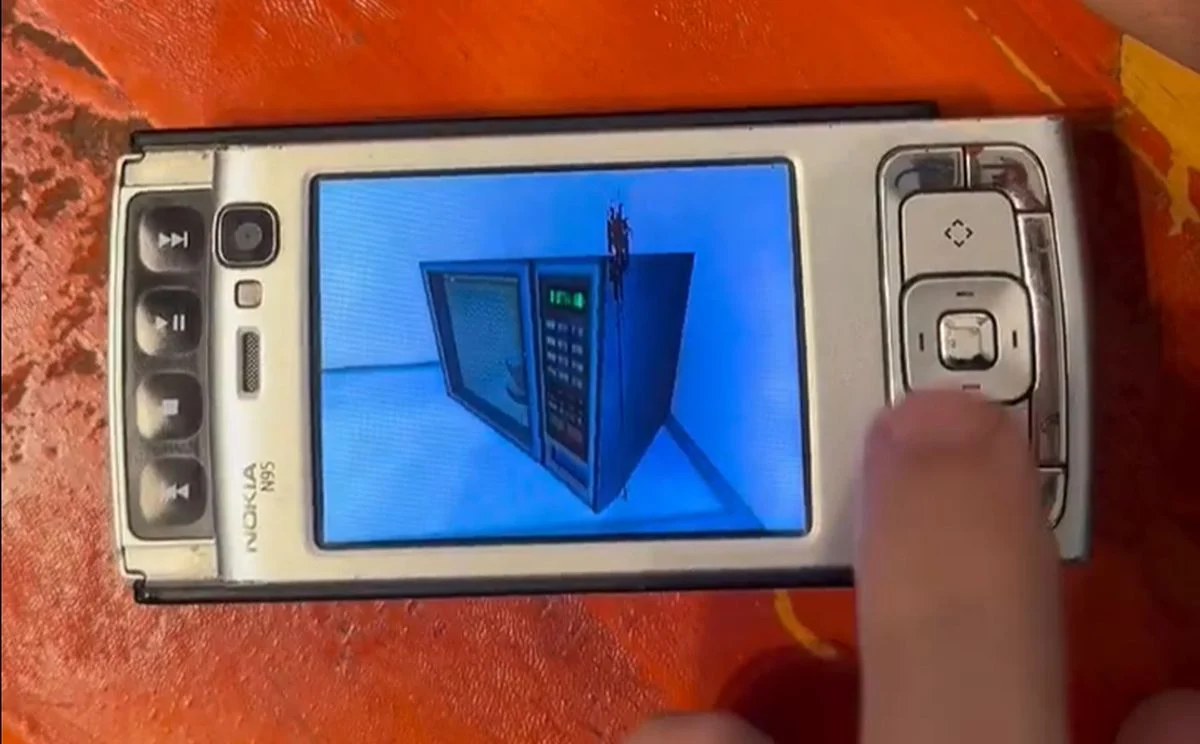
Half‑Life on Nokia N95: A Retro Gaming Modification
The project is a software modification by the developer “Random As It Gets” that enables the 1998 first‑person shooter Half‑Life (Valve Corporation) to run at 30 frames per second on a Nokia N95 smartphone. The Nokia N95, released in 2006 by Nokia, is a Symbian S60 3rd Edition feature phone with a 332 MHz ARM 11 processor and 64 MB of RAM. This achievement demonstrates that a PC game from the late 1990s can be ported to severely constrained mobile hardware, solving the problem of retro gaming portability on vintage devices.
Key Facts
| Attribute | Value |
|---|---|
| Device | Nokia N95 (2006) |
| Operating System | Symbian S60 3rd Edition |
| CPU | 332 MHz ARM 11 |
| RAM | 64 MB |
| Game | Half‑Life (Valve Corporation, 1998) |
| Engine | GoldSrc (modified) |
| Achieved Frame Rate | 30 FPS |
| Developer Handle | “Random As It Gets” |
| Announcement Date | 2026 (as reported by Lowyat.net) |
How Did a Developer Run Half‑Life on a Nokia N95?
The developer reverse‑engineered the GoldSrc engine, the original Half‑Life engine, and rewrote critical rendering and input components to run on the Symbian S60 platform. The process involved reducing texture resolution, simplifying level geometry, and optimizing the frame pipeline to fit within the 64 MB RAM limit. The resulting build maintains a stable 30 FPS during indoor levels, which is considered playable for a first‑person shooter on hardware that is 20 years older than the mod’s release date. According to the developer’s statement, “It was a long process of reverse‑engineering the GoldSrc engine to work on the Symbian platform, but the result is a playable version of Half‑Life at 30 FPS on a phone from 2006.”
— Developer “Random As It Gets”, as reported by Lowyat.net (2026)
What Are the Technical Limitations of Running Half‑Life on the Nokia N95?
The 332 MHz ARM 11 processor and 64 MB RAM impose strict constraints. The original Half‑Life required a 133 MHz Pentium CPU and 24 MB RAM, but the N95 lacks a dedicated GPU and uses a shared memory architecture. The developer reported that outdoor areas with many enemies can drop to 20 FPS, and sound assets had to be heavily compressed to fit within the phone’s storage. The game’s original 640×480 resolution was reduced to 320×240 to maintain performance. No official update or binary has been released to the public as of the reporting date, and the mod remains a proof‑of‑concept.
Who Is This Modification For?
This mod targets retro‑gaming enthusiasts and hardware collectors who own functional Nokia N95 devices. It demonstrates the feasibility of running a major PC title on early‑generation smartphones without hardware modifications. The project is not intended for commercial use; it is a technical showcase that highlights the hidden potential of Symbian S60 hardware for porting classic PC games. Developers interested in low‑level optimization and reverse‑engineering may also find the approach instructive.
Common Questions
How does the developer control the game on the Nokia N95?
The mod maps keyboard and mouse controls to the N95’s physical keypad and optional accelerometer. Movement uses the directional pad, aiming uses the number keys, and fire is assigned to the centre button.
Is the entire Half‑Life campaign playable?
Only the first few chapters have been tested and confirmed to run at 30 FPS. The developer has not verified the entire game due to the time required for level‑specific testing on the limited hardware.
Where can I download the Half‑Life mod for Nokia N95?
As of the 2026 report, the developer has not publicly released any files. The project remains a private experiment, and no download links or patches have been provided.
Sources and Methodology
This article is based on the Lowyat.net report published in 2026 titled “Developer Manages to Run Half‑Life at 30 FPS on a Nokia N95.” The developer’s statements and technical details are drawn from that report. The article was last updated on 2026‑04‑24. No currency conversions were required. The entity “Random As It Gets” is a developer handle; no real‑world name was provided in the source.