Weighing Fairness and Deterrence in MLFF Toll Evasion
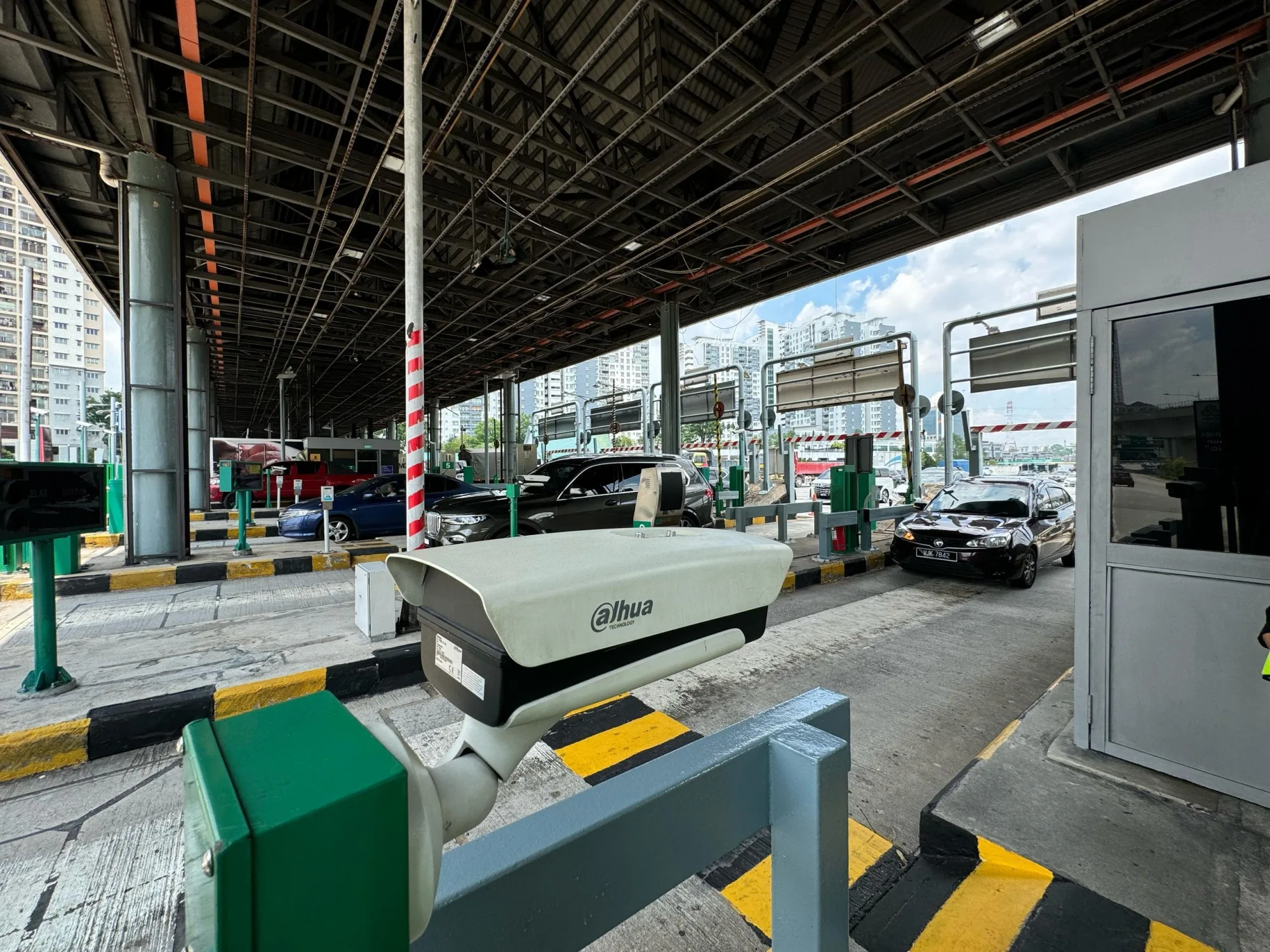
The implementation of Multi-Lane Free Flow (MLFF) toll collection represents a fundamental shift in highway infrastructure, moving away from manual barriers toward a seamless electronic system. While this technology promises to eliminate congestion at plazas, it introduces a complex governance challenge: how to effectively penalize violators without penalizing honest drivers. In this context, The Works Ministry weighs fairness and deterrence to tackle toll evasion under MLFF. Discover how this affects transportation and toll collection. The path chosen by regulators will set a precedent for how modern mobility services interact with the public they serve.
The Global Challenge of Enforcement in a Cashless World
Traditional toll booths acted as a physical deterrent; every driver had to stop. MLFF replaces this with an honor system backed by surveillance technology. This creates a larger pool of potential evaders, including those who deliberately bypass the system and those who fail due to technical glitches, depleted accounts, or stolen license plates. The Works Ministry must design a framework that accurately identifies which case is which. A system focused purely on deterrence risks punishing the unlucky, while a system focused purely on fairness risks being financially unsustainable.
The High Cost of Toll Evasion
Lost revenue from toll evasion is not simply a loss for the operator. It represents a shortfall in infrastructure funding that often results in deferred maintenance or higher tolls for paying users. Strong deterrence is critical to protect this revenue stream. However, the cost of enforcement, including legal fees, processing appeals, and managing blacklists, must also be weighed against the amount of revenue recovered to justify the expense.
The Principle of Proportionality
A fair system operates on proportionality. Modern MLFF systems can track user history, allowing for a graduated response that distinguishes between different types of evasion:
- Technical failures, such as tag malfunction or battery depletion, which should trigger a simple retroactive payment request.
- Inadvertent user error, such as an insufficient balance, which may incur a small administrative warning.
- Repeated neglect or willful evasion, such as blocking a license plate or using a cloned tag, which warrants escalating financial penalties and legal action.
This graduated scale shifts the system from a purely punitive tool to a behavioral management system, encouraging correction over punishment while reserving the harshest consequences for flagrant violations.
Impact on Transportation and User Trust
The way toll evasion is handled directly impacts public perception of the entire transportation network. If users believe the system is predatory or prone to error, they may actively avoid new toll roads or challenge every fine in court. This slows down the adoption of MLFF and its associated benefits, such as reduced emissions from idling cars and lower travel times. Transparency is the bedrock of fairness in a deterrence-based system; users must have an easy way to check their records, top up accounts, and dispute charges.
Data Privacy and Financial Accountability
As toll collection moves online, the data generated from a driver's movements is highly sensitive. Clear policies on data retention, access, and sharing are essential to maintain public trust. At the same time, financial accountability requires accurate billing. Any system that fails on either data privacy or billing accuracy will face severe public and legal scrutiny. The successful integration of these elements is what separates a trusted utility from a contested tax.
Pro Tip for Drivers in MLFF Corridors: Always keep a digital or physical record of your toll account top-ups. If you receive a violation notice for a time when you had balance, this serves as your first line of defense. Additionally, check your vehicle's license plate visibility regularly. A dirty or obscured plate is a common trigger for false violation notices in automated enforcement systems. Treat a quarterly review of your toll account health the same as checking your tire pressure.
Striking the Optimal Balance
The Works Ministry's task is not easy. It must create a framework that is robust enough to deter deliberate theft of service, yet flexible enough to forgive the honest mistakes inherent in a fully automated system. The final verdict will likely involve a combination of high-tech enforcement cameras, proportional financial penalties, and a robust appeals mechanism. The ultimate success of MLFF relies not just on the technology installed on the gantries, but on the social contract established between the state and the driver. A well-calibrated balance of fairness and deterrence will ensure that toll collection remains a seamless utility rather than a contentious burden.
Share Your Experience: Do you believe automated toll enforcement systems strike the right balance between strict penalties and forgiving errors? Share your experiences and thoughts with MLFF or similar barrier-free tolling technologies in the comments section below.
Frequently Asked Questions
What is the difference between MLFF and traditional tolling?
Traditional tolling requires vehicles to stop or slow significantly at a payment booth. Multi-Lane Free Flow (MLFF) uses overhead gantries to read electronic tags or license plates at highway speeds, allowing for uninterrupted traffic flow. It is similar to how electronic toll collection works in many parts of the world, but expanded to all lanes without any physical barriers or booths.
Can I contest a toll violation I believe was issued in error?
Yes, most jurisdictions with MLFF systems have a formal appeals process. If you believe a violation was issued in error due to a defective tag, incorrect plate reading, or misapplied fine, you typically have a window of 30 to 90 days to submit an appeal. Providing evidence such as top-up receipts or tag registration documents strengthens your case. A fair system reviews these appeals promptly and transparently.
What are the standard penalties for toll evasion in automated systems?
Penalties vary by jurisdiction but are designed to be more expensive than the toll itself to deter deliberate evasion. They often start with a warning or a small administrative fee (e.g., $10-$25 USD) for a first offense, escalating to fixed civil penalties (e.g., $50-$200 USD) for repeat offenses. In extreme cases of chronic evasion, vehicle registration can be suspended, or drivers may face legal action for theft of service.
How do MLFF systems handle vehicles from other states or countries?
Modern MLFF systems rely heavily on License Plate Recognition (LPR). When a vehicle from a foreign jurisdiction passes a gantry without a valid local tag, its license plate is photographed. The relevant authority uses inter-state or international data sharing agreements, or direct postal mail, to send the toll invoice and applicable fines to the vehicle's registered owner.
Will MLFF systems eventually replace all traditional toll booths?
Many developed expressway networks are moving toward All-Electronic Tolling (AET), which uses MLFF as its core technology. The global goal is to completely eliminate toll booths to reduce congestion and emissions. However, some regions may retain limited cash lanes or assisted payment options for a transition period to ensure accessibility for all drivers. The long-term trend is firmly toward fully cashless, barrier-free travel corridors.