Subnautica 2 Prompts Another Game to Release Sooner
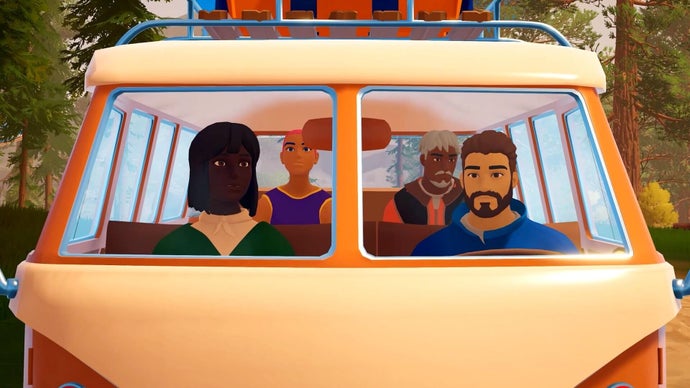
The intricate dynamics of the global video game market are frequently shaped by major publisher announcements, compelling independent studios to adjust their strategies. This critical industry trend is perfectly exemplified as Subnautica 2 early access from Unknown Worlds, Krafton, influences Outbound, an Indie Survival & Crafting, Open World Exploration Action Adventure by Square Glade Games, to release earlier. This strategic decision by Square Glade Games underscores the intense competitive pressures within the survival genre and illustrates how anticipated releases from established franchises can directly impact the launch timelines of smaller, innovative titles, demanding a proactive and agile approach from developers seeking market visibility.
The Ripple Effect of Major Game Releases
In the highly saturated video game industry, especially within the thriving survival and crafting genres, timing a game's release is paramount. An announcement for a highly anticipated title, particularly one entering early access, can create significant waves. The original Subnautica series, developed by Unknown Worlds Entertainment and published by Krafton, commands a dedicated fanbase and considerable market attention. Therefore, the news of a Subnautica 2 early access window inherently creates a spotlight that smaller studios must either contend with or strategically avoid.
Navigating the Crowded Early Access Landscape
Early Access has become a popular model, allowing developers to garner community feedback and fund development simultaneously. However, it also means that the "launch" is often a prolonged process, competing for player attention over an extended period. When a large publisher like Krafton announces an early access phase for a title like Subnautica 2, it signals a significant influx of marketing and player engagement directed towards that game. For an indie studio, launching their own early access during this period risks being overshadowed, diluted visibility, and a potential struggle to attract initial player numbers crucial for early feedback and community building.
The Strategic Imperative for Indie Studios
Independent developers, operating with fewer resources and smaller marketing budgets, must employ astute strategic planning. Square Glade Games' decision to bring forward the release of their title, Outbound, is a clear manifestation of this imperative. Rather than launching directly into the shadow of a Subnautica sequel, opting for an earlier release provides a clearer, less congested window to capture player interest. This move suggests a calculated risk-management approach, prioritizing initial impact and audience capture before the market becomes potentially saturated by a major competitor.
Subnautica 2: A Force in Survival Gaming
The Subnautica franchise is renowned for its unique underwater survival mechanics, compelling narrative, and vast, mysterious open worlds. Its success has cultivated high expectations for any successor. The mere mention of Subnautica 2, even in an early access context, instantly captures the attention of millions of players worldwide who are eager for the next installment in the deep-sea exploration saga. This anticipation translates directly into significant market power.
Anticipation and Market Impact
The announcement of Subnautica 2's early access is not just news; it is a market event. It dictates search trends, media coverage, and player discourse for months. Players will be discussing its features, speculating on its mechanics, and consuming content related to the game. This dominant presence can make it challenging for other games in the survival and exploration genre to carve out their own space, especially if they share thematic or gameplay similarities. For indie games, which often rely on word-of-mouth and organic discovery, such a powerful competitor can be a major hurdle.
Publisher Power: Unknown Worlds and Krafton
Unknown Worlds Entertainment has established a strong reputation for crafting immersive and innovative survival experiences. Their collaboration with Krafton, a major South Korean video game holding company known for titles like PUBG: Battlegrounds, provides substantial financial backing and marketing reach. This combination ensures that Subnautica 2 will receive widespread promotion and visibility, leveraging Krafton's global distribution networks and marketing expertise. This level of support is a stark contrast to what most independent studios can afford, further highlighting the strategic necessity for Outbound to adjust its timeline.
Outbound's Calculated Move
Outbound presents itself as an ambitious open-world survival and crafting game with a distinct premise. It distinguishes itself by focusing on campervanning, exploration, and unique crafting elements like starting fires and hacking PCs, moving away from typical post-apocalyptic or fantasy settings. This differentiation is key to its appeal, and an earlier release allows it to highlight these unique selling points without direct comparison to a juggernaut like Subnautica 2.
A Unique Premise: Campervans and Survival
The concept of building a mobile base within a campervan and navigating a world focused on exploration and unconventional survival elements offers a fresh take on the genre. By releasing earlier, Square Glade Games can establish Outbound's identity and cultivate its own community of players who appreciate its distinct flavor. This strategy aims to create a dedicated player base before the market's attention is predominantly captured by other major titles, allowing Outbound to build momentum and word-of-mouth organically.
Why Earlier is Better (Sometimes)
While often risky, an earlier release can grant several advantages. It allows the game to be among the first in a new wave of releases, potentially securing more media attention and visibility on digital storefronts like Steam. This initial exposure is critical for indie games to gain traction, generate wishlists, and build a core community of players who will champion the game through its early access phase. Moreover, an earlier launch enables developers to gather crucial player feedback sooner, facilitating iterative improvements and addressing issues before a larger, more critical audience arrives.
Pro Tip for Indie Developers: Proactively monitor the industry's release calendar and major announcements. Developing flexibility in your own release schedule can be a game-changer, allowing you to either capitalize on quieter periods or strategically avoid direct competition with established franchises. Community engagement and transparency about your strategic decisions can also build goodwill and understanding among your player base.
The Broader Implications for Indie Development
The situation between Subnautica 2 and Outbound is a microcosm of the challenges facing the independent game development sector. Success is not solely about the quality of the game but also about navigating a complex ecosystem of market trends, publisher strategies, and player expectations. Visibility remains the most significant hurdle for many indie titles, and strategic release timing is a powerful tool in their arsenal.
Visibility and Marketing Challenges
For independent studios, achieving visibility is a constant battle. Without multi-million dollar marketing budgets, they rely heavily on organic reach, streamer attention, and positive press. Launching a game concurrently with a highly anticipated AAA or AA title can effectively render an indie game invisible, regardless of its quality. Therefore, making tactical decisions about release windows becomes a critical component of their overall marketing strategy, often more impactful than traditional advertising for smaller studios.
Adapting to Market Dynamics
The gaming market is perpetually in flux, driven by technological advancements, evolving player preferences, and the ever-present competition. The story of Outbound adjusting its release schedule due to Subnautica 2's early access announcement serves as a vivid reminder that agility and adaptability are not just desirable traits for indie developers—they are essential for survival. Studios that can swiftly react to market dynamics, reassess their strategies, and pivot when necessary are ultimately better positioned for long-term success.
The strategic decision by Square Glade Games to release Outbound earlier in response to Subnautica 2's upcoming early access launch highlights the intense, competitive nature of the global video game market. This move is a testament to the essential agility required from independent developers to secure visibility and establish a player base in an ecosystem dominated by major players. It underscores that while game quality is paramount, strategic market positioning and timing are equally critical for success. We invite our readers to share their thoughts: What are your experiences with games shifting release dates due to market competition, and how does it influence your purchasing decisions?
Frequently Asked Questions
What is Subnautica 2's current status?
Subnautica 2 is anticipated to enter an early access phase, though a specific date for public availability hasn't been definitively set by Unknown Worlds and Krafton. Its development and upcoming early access phase are closely watched by fans of the survival genre.
What kind of game is Outbound?
Outbound is an indie survival and crafting, open-world exploration action-adventure game developed by Square Glade Games. It focuses on unique mechanics such as building a mobile base within a campervan, starting fires, and hacking PCs, offering a distinct take on the survival genre.
Why do games release in Early Access?
Early Access allows developers to involve their community in the development process, gathering feedback and bug reports to refine the game before its full release. It also provides an opportunity to secure funding for ongoing development and build a player base from an early stage.
How does market competition affect indie game development?
Market competition significantly impacts indie game development by creating challenges in visibility, marketing, and player acquisition. Independent studios often need to strategically time their releases to avoid direct clashes with major titles, ensuring their games have a clearer window to capture player attention and build a community.