Qualcomm Unveils Snapdragon 6 and 4 Gen 5
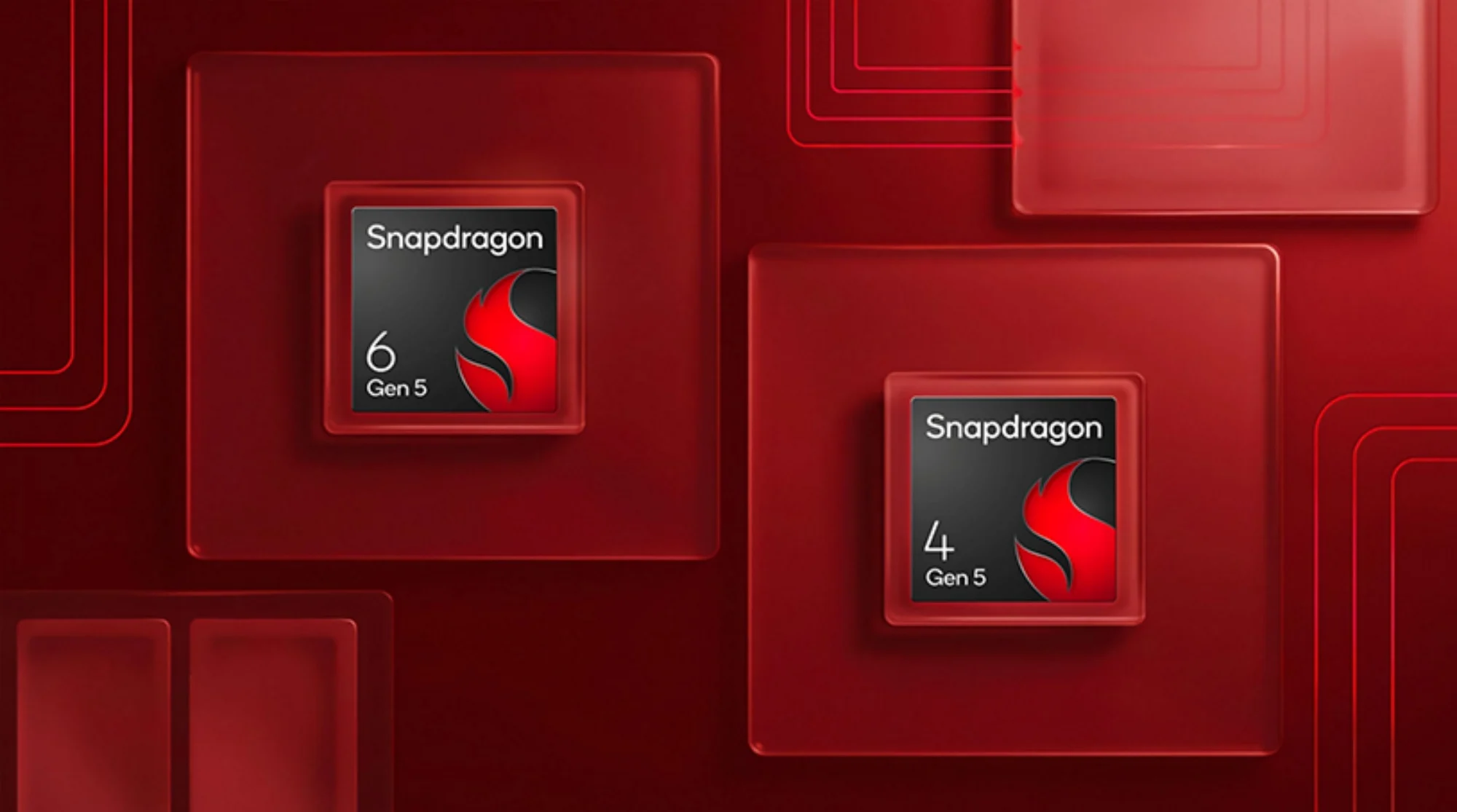
Qualcomm has officially expanded its mobile processor portfolio with two new chipsets designed to power the next generation of affordable smartphones, setting a new benchmark for value in the current market. The company's latest offerings aim to bring cutting-edge technology to a broader user base. Qualcomm unveiled the Snapdragon 6 Gen 5 and 4 Gen 5 mobile chipsets. Discover what these new processors offer for midrange and entry-level smartphones. These platforms promise remarkable leaps in performance, AI capabilities, and connectivity for the global market, providing a clear upgrade path for budget-conscious consumers worldwide.
Redefining the Midrange Experience with the Snapdragon 6 Gen 5
The Snapdragon 6 Gen 5 is engineered to bridge the gap between accessibility and high-end performance. This platform brings several flagship-level features to the upper midrange segment, ensuring manufacturers can deliver compelling devices without the prohibitive cost of a premium tier chipset.
Core Performance and Efficiency
Built on a power-efficient 4nm process technology, the Snapdragon 6 Gen 5 achieves a remarkable balance between raw speed and thermal management. The CPU architecture features a high-performance prime core cluster optimized for demanding applications, while the efficiency cores handle background tasks seamlessly. Compared to its predecessor, this generation focuses heavily on sustained performance, allowing the processor to maintain high clock speeds over extended gaming sessions or video editing tasks without significant throttling. The integrated Adreno GPU offers a significant leap in graphical capability, including support for hardware-accelerated ray tracing in select mobile titles, placing it in direct competition with premium midrange offerings like the MediaTek Dimensity 7300 series.
AI and Imaging Capabilities
Qualcomm has heavily invested in the AI Engine for this generation. The Snapdragon 6 Gen 5 utilizes a fused AI-accelerator architecture that enables on-device generative AI processing. This translates to practical features such as real-time language translation without an internet connection, AI-enhanced background removal for video calls, and sophisticated computational photography. The triple ISP is another standout spec, allowing users to capture 200MP photos and shoot crisp 4K HDR video. The multi-frame noise reduction (MFNR) and video bokeh modes are powered by the AI engine, ensuring professional-looking results even in challenging low-light environments.
Connectivity and Gaming
Gamers and streamers benefit from the integrated Snapdragon X62 5G Modem-RF System, which supports multi-gigabit speeds and extensive carrier aggregation for stable connections worldwide. Beyond cellular, Wi-Fi 6E and Bluetooth 5.2 provide robust local connectivity. The Adreno GPU supports Snapdragon Elite Gaming features, including Game Post Processing Accelerator and Adreno Frame Motion Engine, enabling smoother frame rates in supported games. This makes the 6 Gen 5 a powerful contender for mainstream mobile gaming, capable of handling demanding titles with high graphical fidelity.
Empowering the Entry-Level Segment with the Snapdragon 4 Gen 5
For the entry-level market, the Snapdragon 4 Gen 5 focuses on democratizing essential modern features. It provides a balanced platform that prioritizes long battery life and reliable 5G connectivity without sacrificing core performance.
Democratizing 5G
The Snapdragon 4 Gen 5 makes high-speed 5G connectivity a standard feature for budget devices. It features the Snapdragon X61 5G Modem-RF System, which supports a wide range of sub-6 GHz bands crucial for global 5G adoption. Unlike some competing entry-level chips that offer limited carrier aggregation, the X61 modem supports robust band combinations and peak download speeds of up to 2.9 Gbps. This ensures that users in diverse markets from Europe to Southeast Asia can experience the full potential of their local 5G networks without compatibility issues.
Essential Performance for Daily Tasks
Built on the same 4nm process as its larger sibling, the Snapdragon 4 Gen 5 focuses on delivering smooth daily performance for browsing, streaming, social media, and communication apps. The balanced CPU core configuration ensures that the processor remains efficient, extending battery life significantly compared to older 8nm or 6nm architectures. This efficiency is a key selling point for users in emerging markets or those who rely on their device as a primary computing tool.
Camera and Display Upgrades
Despite its entry-level positioning, the Snapdragon 4 Gen 5 offers tangible camera improvements. It supports imaging sensors up to 108MP, allowing budget phones to capture detailed photos. Features like multi-frame noise reduction (MFNR) and electronic image stabilization (EIS) help produce sharper images in low light. The display engine supports FHD+ resolution at up to 120Hz, providing a smooth and responsive visual experience that was once exclusive to much more expensive devices.
Strategic Market Impact and Global Availability
With the launch of these two new platforms, Qualcomm is directly targeting the largest volume segments of the smartphone market. The Snapdragon 6 Gen 5 is positioned to compete fiercely in the $300–$450 price bracket, while the 4 Gen 5 aims to dominate the sub-$250 category. Major Original Equipment Manufacturers (OEMs) such as Realme, Oppo, Honor, and Xiaomi are expected to be early adopters, with commercial devices likely hitting the market within the next quarter. This aggressive release strategy puts pressure on competitors to improve their price-to-performance ratios, ultimately benefiting the global consumer.
Pro Tip: When evaluating devices powered by the Snapdragon 6 Gen 5 or 4 Gen 5, pay close attention to the memory and storage configuration. Opt for versions with UFS 3.1 storage and LPDDR5 RAM to fully unleash the performance capabilities of the chipset, resulting in significantly faster app loading, smoother multitasking, and a snappier overall user experience compared to base configurations.
Conclusion: A New Standard for Accessible Power
The Qualcomm Snapdragon 6 Gen 5 and 4 Gen 5 represent more than just incremental upgrades; they are a strategic redistribution of flagship technology. By equipping the midrange with powerful AI and gaming capabilities, and the entry-level with robust 5G and excellent efficiency, Qualcomm is setting a high bar for the 2026 smartphone market. Consumers no longer need to pay a premium for a superior mobile experience. The devices featuring these platforms will redefine user expectations for speed, intelligence, and connectivity in their respective price brackets. Keep an eye on upcoming manufacturer announcements to find the device that best fits your needs and budget.
What are your expectations for the next generation of midrange and budget smartphones? Share your thoughts in the comments below.
Frequently Asked Questions
What are the main differences between the Snapdragon 6 Gen 5 and 4 Gen 5?
The Snapdragon 6 Gen 5 is designed for the upper mid-range, offering a more powerful CPU and GPU architecture, advanced on-device AI features, support for 200MP cameras and 4K HDR video, and the faster Snapdragon X62 5G modem with mmWave support. The Snapdragon 4 Gen 5 focuses on the entry-level market, balancing essential 5G connectivity (via the X61 modem) and capable performance for daily tasks with a strong emphasis on power efficiency and affordability.
Will these processors work on 5G networks in my country?
Both chipsets are designed with global 5G compatibility in mind. The Snapdragon 6 Gen 5 supports the broadest range of global bands and carrier aggregation. The 4 Gen 5 covers the most widespread sub-6 GHz bands. However, final network compatibility depends on the specific OEM implementation and regional carrier licensing, so it is always best to check the technical specifications of the specific smartphone model.
How do these new chipsets improve battery life?
Battery life improvements stem primarily from the 4nm process technology used in both chipsets. This advanced node significantly reduces power draw during both active and idle states. Additionally, the integrated AI Engine intelligently manages background tasks and power resources, while the improved modem efficiency reduces the energy consumed when switching between network towers. Users can expect notably longer screen-on times compared to devices based on older, larger process nodes.
Can I take high-quality photos with a phone powered by these chipsets?
Yes. The Snapdragon 6 Gen 5 features a triple ISP that supports 200MP photo capture and 4K HDR video, enabling features like real-time portrait mode and low-light enhancements. The Snapdragon 4 Gen 5 supports up to 108MP capture and multi-frame noise reduction, ensuring that entry-level phones can produce sharp, vibrant images in good lighting conditions and represent a major step up from previous budget processors.
When are the first smartphones with these chips expected to launch?
Historically, Qualcomm announces chipsets and devices follow within a few months. The first wave of smartphones powered by the Snapdragon 6 Gen 5 and 4 Gen 5 is expected to be announced by major OEMs shortly, with widespread commercial availability likely occurring by the second quarter of the launch year. Brands such as Realme, Oppo, Honor, and Motorola are typically early adopters of these platforms for their global lineups.