MITI's CBU EV Policy Builds Malaysia's Auto Ecosystem
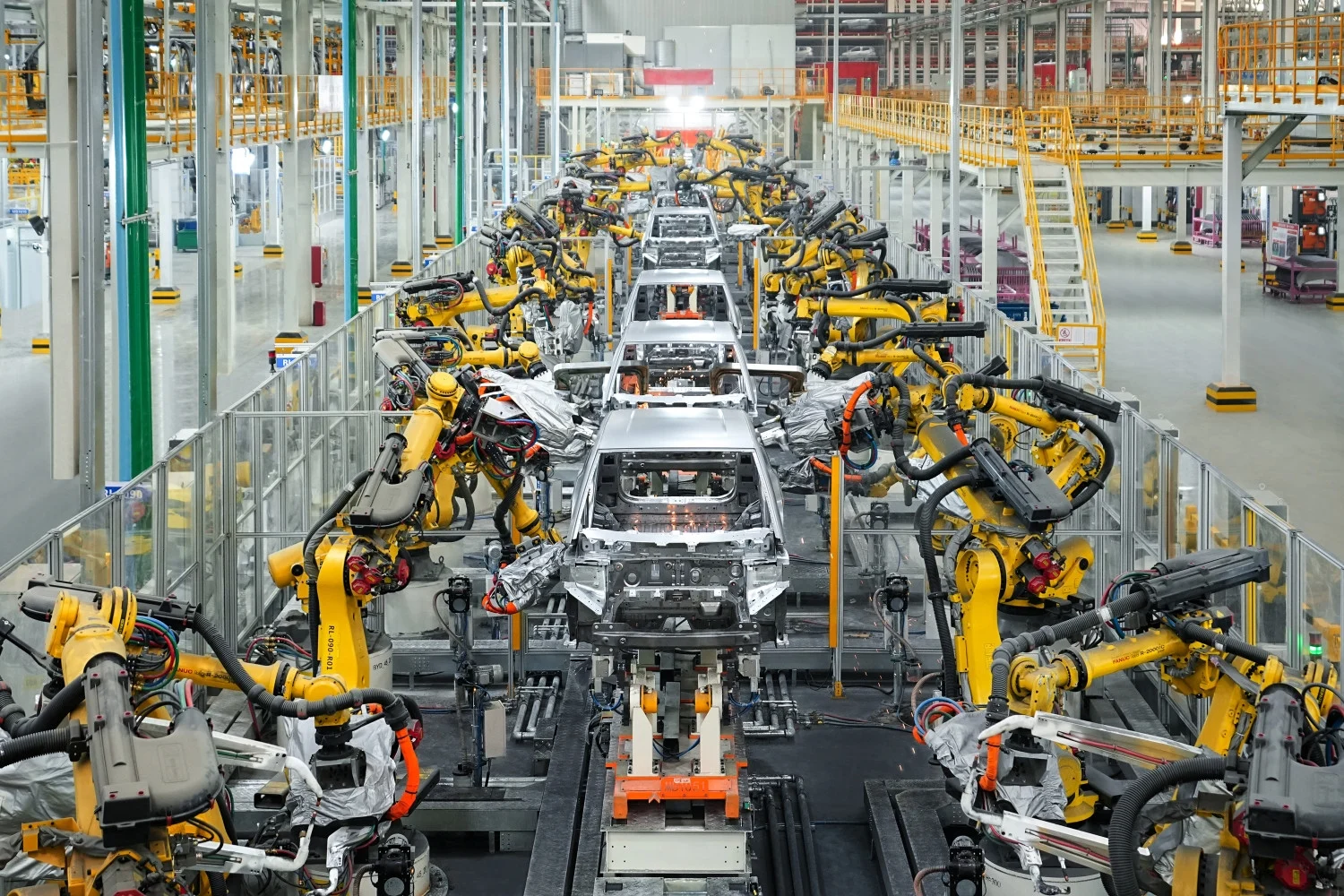
Malaysia is rewriting its automotive playbook with a bold strategy that prioritizes the future over the past. In a decisive move aimed at dominating the Southeast Asian electric vehicle (EV) landscape, the Ministry of International Trade and Industry (MITI) has rolled out its policy framework for Completely Built Up (CBU) EVs. MITI explains that the CBU EV policy aims to build Malaysia's auto ecosystem, emphasizing growth of electric vehicles over protecting local brands. This fundamental shift represents a major break from decades of protectionist automotive policy and signals a new era of competitive, open-market innovation designed to accelerate Malaysia's transformation into a regional EV powerhouse.
The Strategic Rationale Behind the CBU EV Policy
To understand the genius of this move, one must look beyond the vehicle itself. The policy is not merely a tax break for importers; it is a catalyst for a complex, high-value ecosystem. By removing the cost barrier for consumers, MITI is creating a critical mass of EV users. This demand justifies the capital expenditure required for nationwide charging networks, battery recycling plants, and the eventual localization of EV component manufacturing. The strategy hinges on the belief that a robust ecosystem cannot be built in isolation behind tariff walls; it requires global competition to drive efficiency and innovation. For the global automotive industry, this signals that Malaysia is not just a passive consumer market but an active participant in the EV revolution, willing to disrupt its own established norms to capture a larger share of the future value chain.
Implications for the Local Automotive Landscape
Pressure on National Carmakers
Proton and Perodua, the traditional pillars of the Malaysian automotive scene, are now under immense pressure to accelerate their EV roadmaps. While they have announced plans for electric models, the rapid influx of competitively priced CBU EVs from global brands creates the urgency to deliver compelling electric options. This competition is the very mechanism MITI is counting on to build a world-class local industry. The national carmakers are being forced to forge international technology partnerships and invest in R&D at a pace never before required in the highly protected market of the past.
Opportunity for Supply Chain and Aftermarket
The aftermarket sector is projected to undergo a massive transformation. Traditional mechanics must upskill to handle high-voltage systems, while new businesses focused on charging point installation, battery diagnostics, and energy management will emerge. This creates a diverse job market far beyond simple vehicle assembly. Local parts manufacturers who once relied on standard internal combustion engine components must pivot to high-tech electronics and battery systems to survive the transition.
Strategic Insight for Global Analysts: The Malaysian CBU EV policy creates a unique "living laboratory" for the ASEAN region. Unlike neighboring hubs that focus heavily on manufacturing volume or raw material extraction, Malaysia is strategically prioritizing the software, energy integration, and financing aspects of the EV transition. This makes it a critical test case for companies offering comprehensive EV ecosystem solutions globally.
Why International Investors and Manufacturers Should Pay Attention
The policy explicitly prioritizes ecosystem growth over the protection of legacy industries. This sends a powerful signal to international investors that Malaysia is open for business in the advanced manufacturing and technology sectors. The knock-on effect is significant. Global EV players no longer see Malaysia merely as a market for hand-me-down models, but as a strategic entry point into the broader ASEAN free trade area. The technology transfer and capital inflow resulting from this policy could redefine Malaysia's economic trajectory for the next two decades. Furthermore, the federal government is actively courting investments in battery cell manufacturing and integrated circuit design for EVs, hoping to create a closed-loop value chain within the country.
The policy also aligns perfectly with global sustainability goals. By accelerating the transition away from internal combustion engines, Malaysia is contributing to the fight against climate change while simultaneously building a resilient, future-proof economy. This dual focus on economic growth and environmental stewardship makes the policy framework highly attractive to ESG-focused institutional investors looking for stable markets in the green transition.
Ecosystem First: A Framework for Emerging Markets
MITI's CBU EV policy is more than just a national regulation; it is a pragmatic model of modern strategic industrial planning. It recognizes that in the race for EV dominance, the size and health of your ecosystem ultimately matters more than the strength of your legacy manufacturing champions. By embracing global competition to build local capabilities, Malaysia is laying the foundation for a truly sustainable and innovative automotive industry. Will this ecosystem-first strategy outperform the production-first strategies of neighboring countries? We invite you to share your perspective in the comments below. Your engagement helps the global community understand the nuances of this pivotal policy shift.
Frequently Asked Questions
1. What is the main goal of the CBU EV policy in Malaysia?
The primary goal is to build a comprehensive electric vehicle ecosystem in Malaysia by accelerating the adoption of EVs. The policy prioritizes the growth of the entire industry, including charging infrastructure, aftermarket services, and high-tech supply chain development over preserving traditional market shares.
2. Does the policy make electric vehicles cheaper for consumers?
Yes. By providing significant tax exemptions and import duty waivers on fully imported (CBU) EVs, the policy directly reduces the purchase price of electric vehicles. This makes them more accessible to a broader segment of the population and helps stimulate the market demand needed for infrastructure investment.
3. How does this affect local car manufacturers like Proton and Perodua?
The policy creates intense competitive pressure on local manufacturers to accelerate their own EV programs. While they face increased competition from global brands, this pressure is strategically intended to force innovation and partnerships with international technology leaders, strengthening their long-term viability in the electric vehicle market.
4. What types of businesses benefit from this ecosystem approach?
Beyond car manufacturers, the policy benefits a wide range of businesses including charging point operators (CPOs), battery management and recycling firms, EV component suppliers, and companies specializing in smart grid and energy storage technologies. It fosters a complete value chain beyond just vehicle sales.
5. How does this policy affect the job market?
The transition creates a surge in demand for skilled workers in high-voltage systems engineering, battery technology, software development for energy management, and charging infrastructure installation. It represents a significant upskilling opportunity for the national workforce, moving away from traditional internal combustion engine maintenance toward advanced technical roles in the green economy.