iOS 27 Could Open Apple Intelligence to Third-Party AI
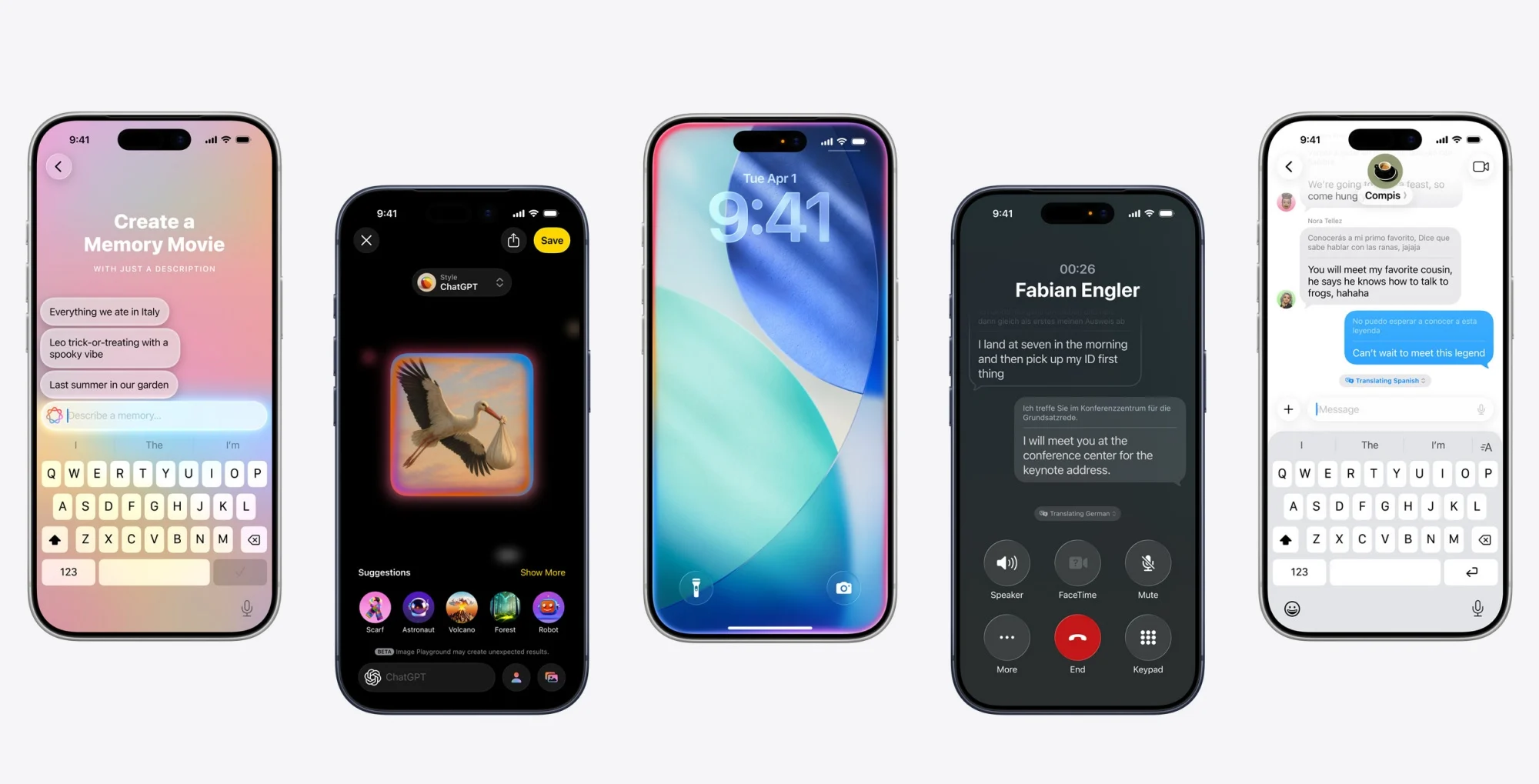
Apple is reportedly preparing to fundamentally reshape its artificial intelligence strategy by allowing external AI providers to integrate their models directly into its ecosystem. Could iOS 27 allow third-party Artificial Intelligence models to run Apple Intelligence? Learn how Apple might open its AI platform to external partners. If the rumors materialize, this shift would mark a significant departure from Apple's traditionally closed AI architecture, offering users greater flexibility while positioning Apple Intelligence as a centralized hub for multiple large language models rather than a proprietary silo.
The Current Architecture of Apple Intelligence
Since its debut, Apple Intelligence has operated as a tightly controlled stack of proprietary on-device models and Private Cloud Compute infrastructure. The system processes sensitive tasks locally using the Neural Engine while offloading complex queries to Apple's own secure servers. This approach delivers strong privacy protections but limits users to Apple's native capabilities and a narrow set of partnered services. Competitors in the Android space have moved faster to incorporate multiple AI engines, giving users direct access to Google Gemini, Samsung's Gauss, and other external models from a single interface. Apple's rumored pivot for iOS 27 signals recognition that a single-vendor AI strategy may no longer suffice for a global user base with diverse computational needs.
How Third-Party Model Integration Could Function
Industry analysts speculate that Apple would implement a sandboxed API layer, allowing approved developers to plug their large language models into Siri and system-wide writing tools without exposing raw user data. Under this framework, an external model might handle a specific request, such as advanced code generation or multilingual legal analysis, while Apple's orchestration layer manages permissions, context routing, and data minimization. For end users, the experience would remain seamless: the operating system would automatically select the most appropriate model for a given task or allow manual selection through a unified settings panel. This architecture mirrors existing plugin ecosystems but applies them at the operating system level, ensuring compatibility across diverse network conditions and hardware configurations.
Why Apple Is Opening Its AI Platform
Several market forces are likely driving this strategic reversal. First, regulatory pressure in the European Union and Asia-Pacific regions continues to challenge closed ecosystems, with mandates around interoperability and consumer choice gaining legal weight. Second, enterprise and power users increasingly demand specialized models trained on domain-specific data, areas where Apple has not focused its internal research. Third, the pace of innovation in open-weight and third-party AI far exceeds what any single company can match. By welcoming external partners, Apple offloads the burden of building every specialized capability while retaining control over the user interface and privacy scaffolding. The move also creates a new services revenue stream, as Apple could eventually offer premium third-party models through a subscription marketplace denominated in USD.
Privacy and Security in a Multi-Model World
Apple's marketing identity is inseparable from privacy, so any expansion into third-party AI must preserve that foundation. The company will likely require external models to run within its Private Cloud Compute environment or on-device secure enclaves, preventing model providers from retaining user prompts or training on personal data. For global customers, this is particularly critical, as data sovereignty laws vary by jurisdiction. A user in Germany and another in Japan need assurance that their queries to a foreign AI model remain encrypted and geographically contained. If Apple enforces strict attestation and hardware-based isolation, it could set the industry standard for trustworthy multi-model AI deployment.
Global Implications for Consumers and Developers
Opening Apple Intelligence to third-party models would have immediate practical benefits across international markets. Home office professionals could integrate specialized writing assistants tailored to regional languages, while developers might leverage coding models optimized for specific technology stacks. The change would also benefit users in areas with limited connectivity, as lightweight third-party models could run entirely on-device when Apple's cloud servers are unreachable.
- Regional language support for non-English speaking markets across Europe and Asia.
- Enterprise-grade coding and legal models suited to specific industry requirements.
- Offline functionality in low-bandwidth environments through on-device model execution.
- Flexible pricing tiers, with premium external capabilities typically ranging from $10 to $30 per month.
This freemium structure balances accessibility with high-end functionality, making the platform suitable for both casual users and enterprise teams managing global workflows.
Pro Tip: Before enabling any third-party AI model within Apple Intelligence, verify that the provider explicitly supports on-device processing or Apple's Private Cloud Compute standards. For professionals handling confidential client data, avoid integrations that route information to unsecured external APIs, as compliance requirements vary across industries and countries.
Release Timeline and Device Compatibility
iOS 27 is expected to debut at Apple's Worldwide Developers Conference in 2026, followed by a multi-month beta period before a public launch in September. If history serves as a guide, the initial rollout may be limited to newer hardware, specifically iPhone models equipped with advanced Neural Engines capable of managing multiple concurrent AI models. Users with older devices might receive a scaled-back version of the feature set or none at all. Additionally, regional regulatory reviews could delay availability in certain markets, meaning global adoption will likely be staggered rather than simultaneous. Enterprises planning fleet deployments should prepare for this fragmentation by testing beta releases and verifying that their preferred third-party AI vendors are included in Apple's early access programs.
The Competitive Landscape
Google and Samsung have already embraced multi-model AI strategies on mobile devices, giving users the option to switch between on-device summarization and cloud-based Gemini Advanced within a single workflow. Apple's delay in matching this openness has drawn criticism from power users who view the current Apple Intelligence implementation as functionally restrictive. By opening iOS 27 to external partners, Apple not only neutralizes a key competitive disadvantage but also turns its platform into an AI agnostic operating system. This positions the iPhone as hardware-agnostic middleware for intelligence, an approach that could attract developers who have previously prioritized Android due to fewer integration barriers. The result would be a healthier, more competitive global AI marketplace.
Conclusion
iOS 27 represents a potential inflection point for Apple Intelligence, transforming it from a closed, first-party utility into an open platform capable of hosting the world's leading AI models. For everyday users, this means more powerful tools, broader language support, and workflows that adapt to specific professional needs. For the industry, it establishes a new benchmark for how privacy-centric companies can collaborate with external AI innovators without sacrificing security. As WWDC 2026 approaches, the critical question is no longer whether Apple should open its ecosystem, but how quickly it can execute without compromising the user experience. Share your perspective in the comments: which third-party AI model would you want to see integrated first, and how would it change your daily workflow?
Frequently Asked Questions
Will third-party AI models compromise privacy on Apple devices?
Apple is expected to require third-party models to operate within its existing Private Cloud Compute infrastructure or on-device secure enclaves. This means external providers would process queries without accessing personal identifiers or retaining conversation history, maintaining the privacy standards that Apple users expect globally.
Which devices will support iOS 27 and expanded AI features?
While official requirements remain unconfirmed, iOS 27 will likely require recent hardware with advanced Neural Engine capabilities. Devices such as the iPhone 15 Pro and newer are the safest candidates, as they possess the computational headroom necessary to manage multiple AI models simultaneously.
Can users choose specific AI models for different tasks?
Yes, early reports suggest that Apple Intelligence would act as an orchestration layer, allowing users to assign preferred models to specific functions. For example, one model could handle email drafting while another manages code generation, with the system falling back to Apple's native models when external options are unavailable.
Will this feature be available globally at launch?
Global availability is unlikely to be uniform. Regulatory requirements in the European Union, China, and other major markets may force staggered rollouts or require localized versions of third-party models. Users should expect initial availability in Apple's primary markets followed by broader expansion.
Do third-party AI integrations require additional subscription fees?
Apple Intelligence's core features will probably remain free, but premium third-party models are expected to carry separate subscription costs. Based on current market pricing, advanced external AI capabilities could range from $10 to $30 per month, depending on the provider and usage tier.