Intel's Project Firefly Targets Cheaper Wildcat Lake Laptops
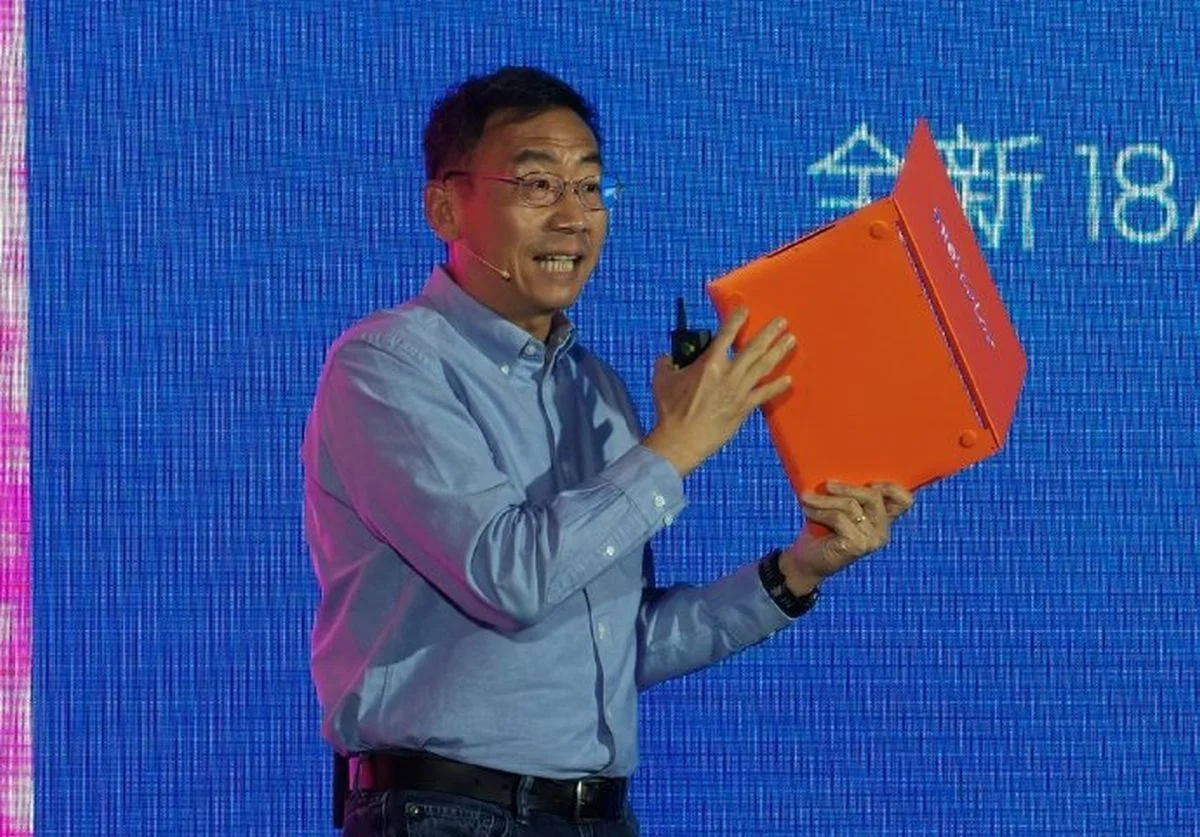
Intel is redefining the value proposition in mobile computing with a strategic shift towards democratizing high-performance features. This new direction officially establishes how the company plans to compete in the fiercely contested budget sector, confirming that Intel unveils Project Firefly to build cheaper Wildcat Lake laptops. Learn how this initiative aims to make affordable laptops without compromising performance. By leveraging an optimized silicon design and a simplified platform architecture, Project Firefly promises to deliver modern computing features, security, and battery efficiency to a price bracket previously starved of high-end silicon options.
The initiative represents a fundamental shift in Intel's mobile strategy. Instead of solely focusing on the ultra-competitive flagship thin-and-light market, Project Firefly targets the volume-centric segment that makes up the bulk of global PC sales. These machines are destined for classrooms, home offices in emerging markets, and first-time PC buyers who need a reliable and responsive daily driver without the premium price tag.
The Architecture Driving Affordability
Wildcat Lake is the codename for a new silicon design philosophy at Intel. While full specifications remain under wraps, the architecture is expected to utilize a highly efficient core configuration packaged to drastically reduce die size and motherboard complexity, passing significant manufacturing savings directly to the end user.
Efficiency Core Configuration
Sources indicate a design leveraging primarily Efficient-cores (E-cores), similar in philosophy to the Alder Lake-N series but built on a much more modern process node. This dramatically shrinks the chip footprint, lowers manufacturing costs, and allows for fanless chassis designs that are silent and more durable for the rigors of frequent travel and student use.
Memory and Connectivity Options
To keep platform costs low, Project Firefly laptops will support standard LPDDR5 memory. While lacking the highest memory bandwidth of premium Core Ultra series chips, the optimized memory controller in Wildcat Lake ensures snappy performance for productivity, web browsing, and media streaming. Intel also retains a critical lead in platform connectivity, bundling features like Wi-Fi 7 and Thunderbolt 4 support even on its most affordable platforms, ensuring excellent peripheral and network compatibility.
Project Firefly vs. ARM and AMD in the Mainstream
The budget and mid-range laptop market is currently a fierce battleground. ARM-based alternatives from Qualcomm, alongside highly competitive APUs from AMD, have raised the bar for price-to-performance. Project Firefly is Intel's carefully calibrated countermeasure to this growing competitive pressure.
Challenging Snapdragon in the Mainstream
While Qualcomm focused heavily on the high-end laptop market with the Snapdragon X Elite, the biggest opportunity is in the value segment. Project Firefly leverages the unmatched x86 software compatibility that enterprise and education customers rely on, offering a seamless transition from legacy hardware without the emulation penalty currently required by ARM hardware in specific applications.
The AMD Comparison
AMD has long dominated the budget segment with its Ryzen "U" series processors. Project Firefly aims to compete not just on raw compute, but on platform features and battery autonomy. Intel typically offers superior wireless connectivity and faster memory support, giving Original Equipment Manufacturers (OEMs) a distinct advantage in building a more modern user experience and longer-lasting battery life at a highly competitive total system cost.
Pro Tip: For global travelers and digital nomads, the efficiency of Wildcat Lake is a game changer. Look for configurations with high-capacity batteries. The reduced power draw of the architecture allows manufacturers to build systems that last an entire workday on a single charge, making them perfect companions for varying climates and inconsistent power grids without the weight penalty of a massive battery pack.
The Verdict: A New Era for Budget Laptops
Project Firefly is a clear signal that Intel is serious about capturing the value-conscious market. By combining the high efficiency of the Wildcat Lake architecture with the cost-saving measures of a simplified platform, Intel is building the foundation for the next generation of truly affordable laptops that do not feel "cheap" to use. The success of this initiative will ultimately hinge on retail price execution and real-world battery optimization, but the direction is undeniably positive for consumers worldwide who need a fast, secure, and reliable laptop without exceeding a strict budget.
What do you think of Intel's strategy to dominate the budget laptop market? Will you be considering a Wildcat Lake laptop for your next purchase? Let us know in the comments section below.
Frequently Asked Questions
What is Project Firefly?
Project Firefly is the internal codename for Intel's initiative to develop highly cost-effective laptop platforms based on the Wildcat Lake architecture. Its primary goal is to deliver modern computing performance and features at significantly lower price points than traditional Core i5 and i7 systems, targeting the education and mainstream consumer markets.
What is the Wildcat Lake architecture?
Wildcat Lake is the design name for Intel's new system-on-a-chip (SoC) targeted at the ultra-budget and education laptop market. It utilizes a high-efficiency core design manufactured on an advanced process node to lower production costs while maintaining solid performance for everyday tasks like web browsing, office productivity, and video playback.
How will Intel make Project Firefly laptops cheaper?
Intel achieves cost reduction through several methods: using a smaller die size with fewer complex cores, implementing a simplified platform design that requires fewer motherboard layers and components, and collaborating closely with OEMs to optimize the total Bill of Materials (BOM) for large-volume manufacturing.
When will these laptops be available globally?
Laptops under the Project Firefly initiative are expected to launch alongside the official introduction of the Wildcat Lake silicon in 2026. Global availability will vary by region, but major manufacturers like Lenovo, Dell, Acer, and HP are widely expected to be launch partners for these lower-cost systems.
What kind of performance can users expect?
While not designed for high-end gaming or heavy rendering workloads, Project Firefly laptops are specifically optimized for everyday productivity and consumption. Tasks such as running office suites, web browsing with many tabs, coding, and participating in video conferences will run fluidly on this architecture.