Home Ministry Warns of Minor Glitches for MyNIISe Transition
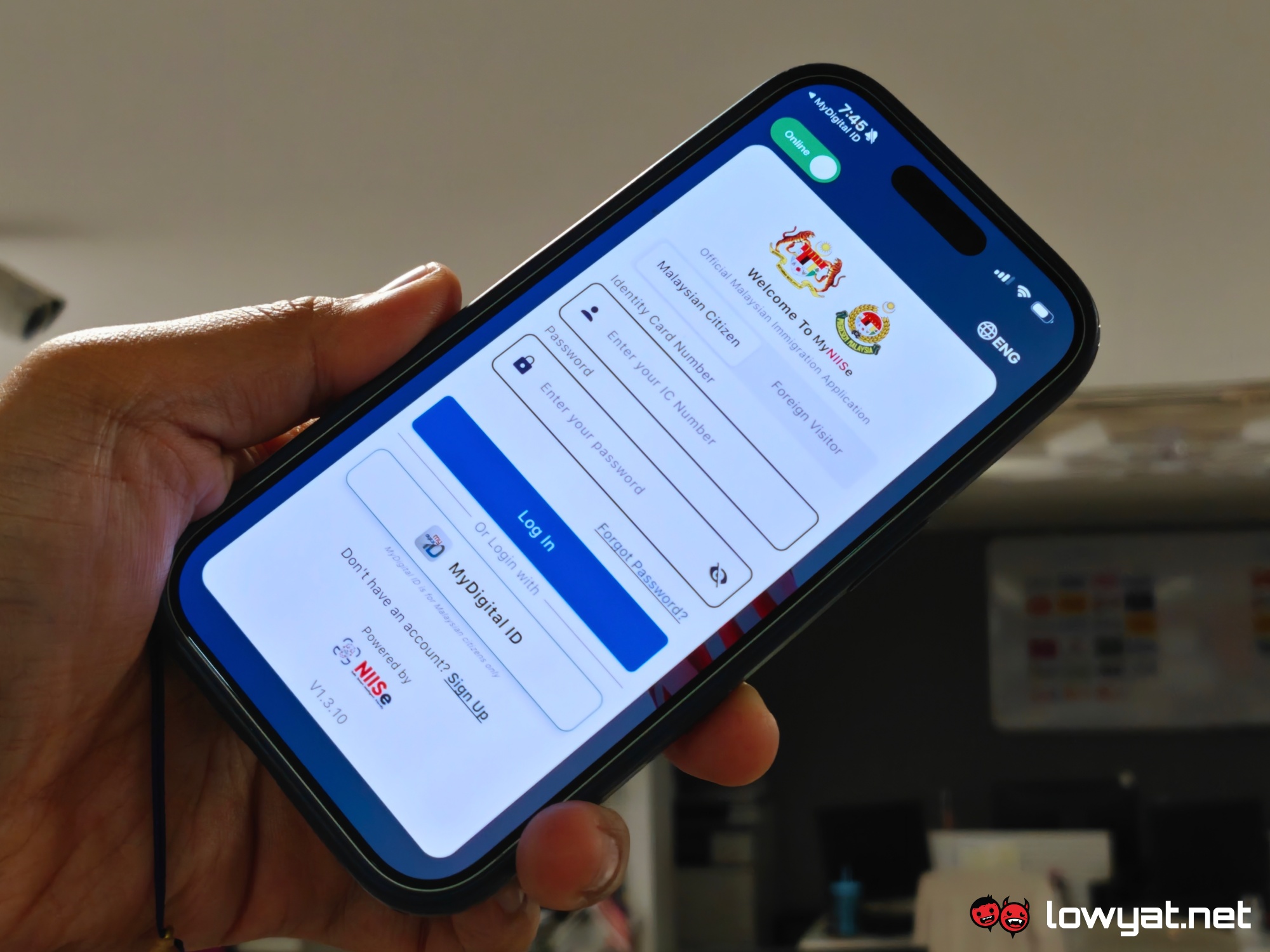
Major national IT transitions are notoriously complex, and Malaysia's shift to the MyNIISe immigration system underscores this reality perfectly. In a recent announcement, The Home Ministry warns that the MyNIISe transition may face minor glitches before rollout. Read the latest news to understand the potential issues and timeline. This candid admission of potential friction points serves as a crucial strategic move to manage expectations for international travelers and industry stakeholders. While the ultimate goal of a unified, high-tech border control system promises a significant leap in processing efficiency and national security, the path to full implementation requires navigating considerable technical and logistical hurdles. This authoritative analysis breaks down the core challenges of the MyNIISe rollout, its global implications, and how users can best prepare for the scheduled migration.
Deconstructing the MyNIISe Digital Transformation
The MyNIISe initiative represents a generational leap in immigration infrastructure for Malaysia. Replacing the fragmented legacy MyIMMs system, it aims to create a centralized, real-time database for all entry and exit points. However, as the Home Ministry has candidly indicated, transitioning from a dated framework to a sophisticated cloud-based ecosystem is rarely a perfectly smooth event. Delays, sync errors, and processing hiccups are typical in massive government IT projects globally. From biometric entry systems in the United States to advanced border analytics in the European Union, every nation faces a period of adjustment during such a profound technological overhaul. The government's proactive acknowledgment of potential glitches sets a high standard for transparency in public sector tech rollouts.
Core Technical and Operational Challenges
- Data Integrity and Migration: Transferring millions of individual records, including biometric data and travel histories, without corruption or loss is the single greatest technical hurdle facing the MyNIISe rollout.
- Hardware and Network Synchronization: The new software must seamlessly integrate with existing biometric scanners, passport readers, and back-end servers deployed across dozens of international airports and land border crossings.
- Personnel Training: Immigration officers and ground staff must adapt to an entirely new user interface and workflow, often under the real-time pressure of high passenger volumes. A steep learning curve can initially contribute to perceived slowdowns.
Global Impact on Travel and Commerce
While a domestic policy story, the MyNIISe transition has immediate consequences for the global travel industry. Malaysia is a critical hub for ASEAN tourism, business travel, and logistics. Any minor friction during the rollout could result in extended queue times at major gateways like Kuala Lumpur International Airport (KLIA) and Johor's land checkpoints. For international visitors, this might mean a temporary adjustment in travel experience. Visa processing times and the reliability of automated gate access could see initial instability. The Home Ministry's warning provides a vital alert for airlines and tour operators to advise clients to allow extra transit time during the transition window. This level of foresight helps protect the country's reputation as a premier travel destination, turning a potential public relations risk into a demonstration of reliability.
**Global Pro Tip:** If your travel plans include transiting through Malaysia during the MyNIISe rollout period, prepare for minor shifts in procedure. Ensure your passport has flawless biometric data and at least six months of validity. Enrolling in any official fast-lane or pre-clearance programs offered by the Immigration Department can significantly insulate you from manual counter delays. Staying informed through official government channels is your strongest strategy for a seamless journey.
Navigating the Transition: Actionable Steps
The shift to MyNIISe is an essential evolution for Malaysia's immigration sovereignty and efficiency. The honest disclosure of potential minor glitches reflects mature project management, not failure. For the global traveler and industry professional, information is the ultimate tool for mitigation.
We strongly recommend actively monitoring the official MyNIISe portal and the Home Ministry's social media feeds for the most current operational status. If a dedicated mobile application is launched for MyNIISe, downloading it before your arrival can streamline your processing. Remember that short-term friction often paves the way for long-term efficiency. A few weeks of adjustment are a small price to pay for a decade of advanced border security and smoother clearance for millions of visitors.
What are your experiences with major digital immigration overhauls? Have you encountered similar system rollouts in your home country or during your travels? Share your strategies and stories in the comments section below to help the global community navigate this significant shift in travel technology.
Frequently Asked Questions
What exactly is the MyNIISe system?
MyNIISe stands for the Malaysia National Immigration Control System. It is a comprehensive digital platform designed to overhaul the nation's border control infrastructure. By consolidating traveler data, biometrics, and security watchlists into a single real-time network, it aims to drastically improve processing speed and national security compared to the legacy MyIMMs system.
How will these glitches directly impact my upcoming flight to Malaysia?
Based on the Home Ministry's precautionary statements, the impact on individual travelers is expected to be minimal but potentially noticeable during peak hours. You might encounter slightly longer wait times at immigration counters or temporary outages at automated e-gates. Travelers are advised to arrive at the airport at least three hours before departure and ensure all documentation (hotel bookings, return tickets) is easily accessible.
Is the MyNIISe transition happening only in Malaysia, or is this a global trend?
This transition is part of a global trend. Nations worldwide are upgrading from siloed legacy systems to integrated biometric databases. Examples include the EU's upcoming Entry/Exit System (EES), Australia's biometric processing upgrades, and the US Department of Homeland Security's modernization efforts. Malaysia's proactive communication about potential hiccups places it ahead of the curve in terms of stakeholder management.
What is the expected timeline for the full MyNIISe rollout?
While the exact phased schedule is subject to change and best verified on the official portal, the transition is slated for the near future. The government has committed to a phased rollout to minimize disruption. It is highly recommended to check the official Home Ministry website for the most precise and updated MyNIISe transition timeline.
Where can I find official updates and support regarding the MyNIISe transition?
Official announcements are published through the Malaysian Home Ministry (KDN) and the Immigration Department of Malaysia. Their respective websites and social media channels on platforms like Facebook and Twitter/X are the primary sources for real-time updates and support documentation regarding the MyNIISe system status.