Google Launches Smart Audio Glasses This Year
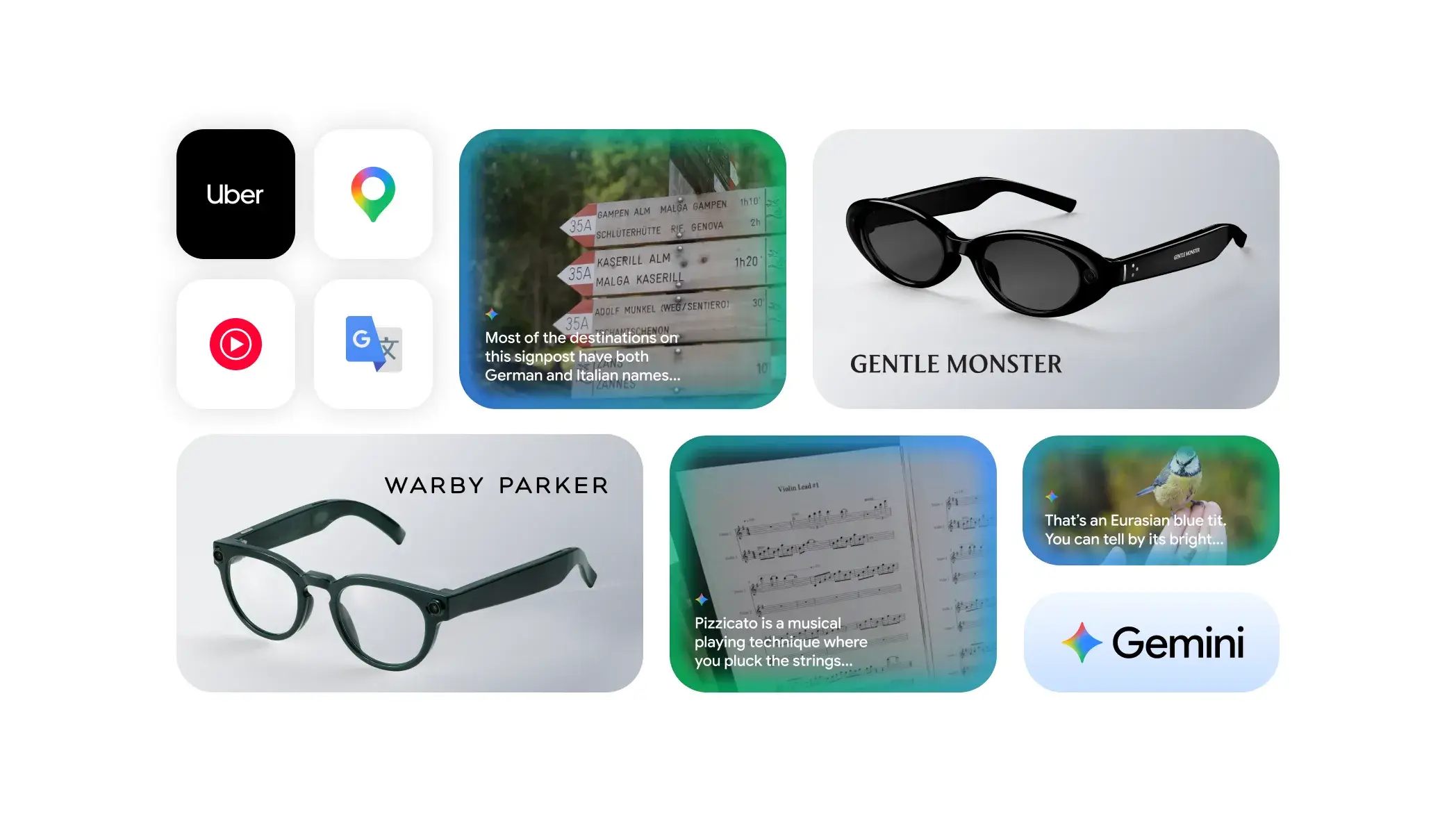
Google is redefining the personal tech ecosystem by shifting the focus from screens to seamless auditory intelligence. Discover Google's Smart Audio Glasses, launching this year. How will Artificial Intelligence and wearables enhance audio? Find out. This new hardware prioritizes a discreet, hands-free form factor that leverages the full power of the Google AI, setting a new standard for productivity on the go.
The Next Frontier in Wearable AI
After years of exploring augmented reality, Google is making a strategic bet on audio as the primary interface for ambient computing. The Smart Audio Glasses are designed to be worn all day, acting as a constant, low-profile co-pilot. Instead of distracting you with a heads-up display, these glasses use contextual AI to feed you information only when needed, be it a navigation prompt, a message summary, or a real-time translation.
This move reflects a broader market trend toward "hearables." Consumers are increasingly seeking technology that enhances reality rather than replacing it. By integrating deeply with Google's ecosystem, these glasses aim to bridge the gap between the utility of a smartwatch and the immersion of a high-end headset, offering a comprehensive solution for the always-on professional.
Core Technology and AI Integration
The heart of the device is the integration of the Gemini AI assistant. Unlike previous voice assistants that required explicit wake words for every command, the new glasses are designed for persistent ambient awareness. They can detect context--such as your location, calendar appointments, and time of day--to proactively offer assistance. For example, walking into a coffee shop might trigger a translation prompt, while approaching a train station could automatically pull up your departure times.
Use Cases for the Global Professional
- Seamless Communication: Take calls and dictate messages with high-fidelity bone conduction microphones that cut through city noise.
- Real-Time Translation: The "Conversation Mode" provides near-instant translation, displayed through audio directly into your ear, making international travel and meetings frictionless.
- Navigation Without Eyes: Get turn-by-turn directions via spatial audio cues, allowing you to navigate busy streets safely without looking at a screen.
- Productivity on the Go: Use Google Keep voice memos, manage tasks, and get calendar updates entirely hands-free.
How Audio Glasses Compare to Current Wearables
The market for smart eyewear is heating up, but Google is taking a distinct approach. Competitors like the Meta Ray-Ban Stories focus heavily on content creation (photos/videos). Others focus on full AR overlays, which are bulky and power-hungry. Google's Smart Audio Glasses land in the middle: they are lightweight, stylish, and significantly more power-efficient. They are not trying to replace your phone's camera but rather your phone's screen time. This audio-centric approach offers a superior battery life profile, potentially allowing for all-day use on a single charge.
Pro Tip: To get the most out of the context-aware AI, ensure your Google Calendar, Maps timeline, and Gmail are synced. The device functions best when it understands your daily rhythm. If you commute daily, the glasses will learn your route and proactively provide traffic updates and calendar reminders without any prompts from you.
Design and Privacy Considerations
Privacy is a central pillar of the design philosophy. By omitting a camera, Google sidesteps the significant privacy concerns that plagued earlier iterations of smart glasses. The focus is purely on audio input and output. The glasses feature a subtle array of microphones and speakers that look like standard eyewear frames. They are expected to be available in multiple styles to suit different face shapes and fashion preferences, targeting a design aesthetic that feels like a natural extension of your wardrobe, not a piece of tech.
Actionable Conclusion: The Verdict on Google's Audio-First Future
Google's Smart Audio Glasses represent a mature and practical step in the evolution of wearables. By betting on the power of AI-driven audio, the company is creating a device that promotes safety, maintains situational awareness, and boosts productivity without the digital fatigue associated with constant screen interaction. This is a compelling alternative for professionals who find smartwatches too limiting and AR glasses too overwhelming. The true success will hinge on the fidelity of the AI and the comfort of the hardware.
Are you ready to experience ambient AI? Will these glasses become your daily driver for navigation and communication? Share your perspective in the comments below.
Frequently Asked Questions
When is the official launch date for Google's Smart Audio Glasses?
Google has confirmed a launch within the current year. Based on industry leaks, an unveiling is expected at Google I/O, with a consumer release following in the late summer or fall. Pre-order windows will likely open immediately after the press event.
Can I use these glasses with an iPhone?
Yes and no. Standard Bluetooth audio functions (taking calls, listening to music) will work with iOS. However, the core value proposition of the device--contextual AI, Gemini Assistant, Google Maps integration, and real-time translation--will be either exclusive to Android or significantly degraded in functionality on iOS.
What is the estimated price in USD?
Analysts predict a retail price between $250 and $400 USD. This positions it competently against premium audio earbuds and the Meta Ray-Ban collaboration. The price will heavily depend on the prescription lens options and whether premium materials like titanium are used for the frames.
How does the audio work without blocking out the world?
The glasses utilize open-ear audio technology. This likely involves high-quality bone conduction transducers embedded in the temples of the glasses. This technology sends sound vibrations through your cheekbones directly to your inner ear, leaving your ear canals open so you can hear your environment naturally. It is ideal for running, cycling, and busy office environments.
Will they work with my existing prescription lenses?
Yes, Google is partnering with major eyewear providers to allow users to swap out the demo lenses for prescription lenses. The audio components are housed entirely in the temples and frame, allowing for standard lens customization. Users can expect an upcharge for lens fitting services at partner retailers.