Former Cirque Director Brings Assassin's Creed to the Stage
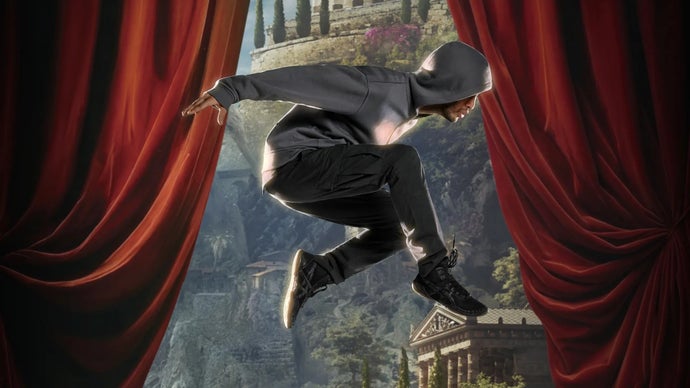
Live entertainment is entering a new era where blockbuster franchises transcend traditional media boundaries for global audiences. Assassin's Creed Single Player Third person Action Adventure by Ubisoft Montreal and GameLoft leaps from PC, PS3 and Xbox 360 to live parkour theatre. This ambitious production, guided by a former Cirque du Soleil director, promises two hours of high-octane acrobatics spanning multiple historical periods, marking one of the most daring cross-medium adaptations in recent memory. Set to debut in Riyadh in late 2025, the show merges cutting-edge staging with the franchise's signature free-running and stealth-driven storytelling for an experience that appeals to longtime fans and newcomers alike regardless of gaming background.
From Console to Center Stage: The Vision Behind the Adaptation
Translating a globally recognized gaming property into a live theatrical format requires more than brand recognition. It demands a creative team capable of distilling complex open-world mechanics into a coherent, physically demanding narrative that maintains momentum across a two-hour runtime. The production leverages the expertise of a director whose background includes elite Cirque du Soleil staging, ensuring that every leap, fall, and aerial maneuver meets the precision standards of international performance art while preserving the raw kinetic energy that defines the source material. This creative foundation addresses the central challenge of making stealth and navigation as compelling on stage as they are on screen.
Cirque Expertise Meets Parkour Choreography
The decision to recruit a director with Cirque du Soleil credentials signals an institutional commitment to physical storytelling over simple spectacle. Unlike conventional musical theater, this adaptation relies on parkour and freerunning as primary narrative devices rather than decorative interludes. Performers will traverse vertically oriented sets, replicating the franchise's iconic rooftop chases without digital assistance or camera cuts. This approach mirrors the game mechanics where environmental navigation itself constitutes a core gameplay loop, now reinterpreted through disciplined human athleticism, spatial awareness, and timing that must remain flawless across hundreds of live performances.
Multi-Era Narrative Architecture
Rather than confining the story to a single historical backdrop, the stage production traverses several distinct eras, echoing the series' Animus-driven structure. Audiences will witness rapid costume and set transformations that evoke multiple time periods, from medieval landscapes to more modern environments. This temporal variety ensures sustained visual diversity while allowing the creative team to showcase different movement styles, weapon work, and fight choreography tailored to each epoch's aesthetic and practical constraints. The structural flexibility makes the show viable for culturally diverse markets without requiring fundamental rewrites for international touring destinations.
Global Production Standards and Audience Accessibility
The venture represents a strategic collaboration between Ubisoft, Base Entertainment, Sela Group, and Alchemy Project, combining intellectual property stewardship with international touring infrastructure and regional market expertise. While the premiere targets a purpose-built venue in Saudi Arabia, the underlying production design emphasizes modular staging capable of adapting to proscenium theaters across varying climates and technical specifications worldwide. This inherent scalability positions the show for potential residencies in major entertainment markets including London, New York, and Tokyo without requiring permanent custom installations that limit long-term profitability.
Pro Tip: When attending physically intensive theater productions, arrive early to secure center-section seating. Parkour-heavy performances utilize vertical space extensively, and sightlines from mid-level orchestra sections typically offer the most comprehensive view of aerial and floor-level choreography without neck strain. Avoid front-row seats directly beneath overhanging set pieces, as they may obscure top-down movement sequences that are essential to the visual narrative.
Technical Execution and Performance Logistics
Staging two hours of continuous athletic performance introduces unique technical demands that standard theatrical productions rarely encounter. The set architecture must accommodate substantial load-bearing requirements for performer rigging while allowing rapid scene transitions that maintain narrative pacing. Lighting design plays a critical role in substituting for the game's cinematic camera angles, guiding audience attention during complex ensemble sequences where multiple action threads unfold simultaneously. Sound engineering must balance orchestral scoring with practical effects to maintain immersion without masking the safety cues performers depend on during synchronized stunt work.
Safety Protocols in High-Risk Staging
Any production incorporating unassisted parkour at height implements rigorous safety standards exceeding typical theatrical requirements. Specialized flooring materials absorb impact during rolls and drops, while invisible harness systems provide emergency backup for vertical sequences above standard stage levels. These precautions ensure consistent performance quality across multiple shows per week, protecting both the ensemble's physical wellbeing and the production's long-term financial viability. Regular movement coaching and physical therapy integration become as critical as technical rehearsals for sustaining a touring cast under demanding international schedules.
Final Verdict: Redefining Game-to-Stage Adaptation
This Assassin's Creed stage adaptation establishes a precedent for how action-oriented video game properties can evolve into sustainable live entertainment without losing their identity. By prioritizing authentic movement vocabulary and historical variety over static set pieces, the production offers universal appeal that transcends language barriers and platform loyalty. Whether you are a dedicated follower of the franchise since its original console release or a theater enthusiast seeking innovative spectacle, this show warrants attention when it expands beyond its initial market. Share your thoughts in the comments below, and let us know which era you hope to see brought to life on stage.
Frequently Asked Questions
Will the production tour internationally after its debut?
While the premiere is scheduled for Riyadh in December 2025, the producing partners have structured the show with modular touring compatibility in mind. Global expansion depends on initial critical and commercial reception, though the stage design already supports adaptation to major theater districts and cultural venues worldwide without requiring entirely new builds for each city.
Is the performance suitable for children and families?
The production maintains the action-adventure tone of its source material without relying on graphic violence or explicit content. The physical nature of parkour choreography includes stylized combat, but the staging emphasizes athletic artistry and choreographed precision over visceral aggression, making it appropriate for varying audience demographics including family groups.
Do attendees need prior knowledge of the game series?
No. The theatrical narrative functions as a standalone story accessible to general audiences and casual theatergoers. While franchise veterans will recognize certain visual motifs, hidden blade mechanics, and movement styles, the plot requires no previous familiarity with the games or their interconnected modern-day lore to follow the central conflict.
What distinguishes this adaptation from other video game stage shows?
Unlike productions that rely heavily on projection mapping or stationary choreography, this adaptation foregrounds live parkour and acrobatic stunt work as the dominant visual language. The Cirque du Soleil pedigree ensures a level of physical precision and ensemble coordination rarely attempted in game-to-stage translations, creating a distinct category of immersive live entertainment.
How does the show accommodate different venue sizes?
The modular set system allows scaling for both intimate theaters and large performing arts centers. Core parkour elements adapt to varying stage depths and fly tower heights, ensuring consistent audience experiences across different building specifications and international safety codes without compromising the central action sequences.