Apple Camera AirPods Nearing Mass Production
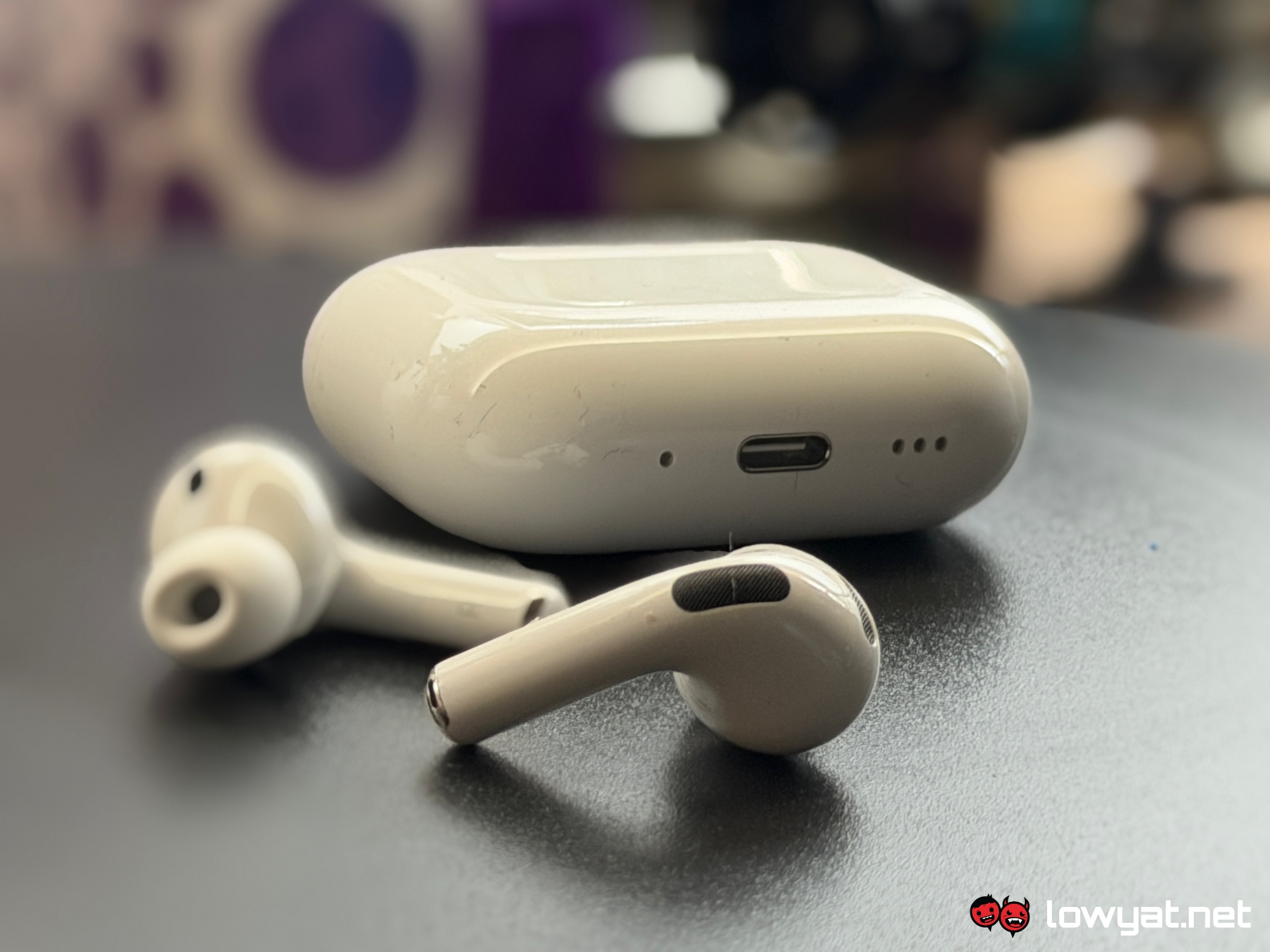
Apple is preparing to redefine the wearable technology landscape once again with its most ambitious audio accessory project yet. According to recent reports, Apple's camera-equipped AirPods are in late testing and close to mass production. Learn what features these earbuds might offer and when they could be released. This development represents a significant pivot for the AirPods line, transforming it from a passive audio receiver into an active participant in the user's digital and physical environment through visual intelligence.
The Evolution of AirPods: From Audio to Ambient Computing
The journey from the original AirPods to the Pro and Max models focused heavily on audio fidelity, active noise cancellation, and spatial audio. The integration of Apple's H1 and H2 chips brought hands-free "Hey Siri" and improved connectivity. Camera-equipped AirPods represent the next frontier. By embedding low-resolution ambient sensors, Apple can enable spatial computing interactions without the need for a head-mounted display. The new sensors will work in concert with the upcoming chipset to process environmental data on-device, ensuring low latency and robust privacy.
Key Features Unlocked by Onboard Cameras
Enhanced Spatial Audio and Environmental Awareness
Current AirPods use accelerometers and gyroscopes for head tracking. The addition of a camera allows the AirPods to map the user's immediate environment, adjusting the acoustic profile of spatial audio based on the physical size and shape of the room, wall proximity, and reflective surfaces. This creates an incredibly immersive and dynamic listening experience that adapts as you move.
Gesture and Motion Control
Intuitive hand gestures, such as pinching fingers or swiping in the air, could control playback, adjust volume, or answer calls without touching the device. The cameras can also detect subtle head and jaw movements to enhance voice pickup and silence notifications during specific activities like chewing or talking.
Visual Intelligence and AI Integration
The big leap is Visual Intelligence. By analyzing the user's gaze and surroundings, the AirPods can actively interact with the environment. Looking at a foreign menu could trigger a live translation. Pointing your gaze at a landmark could pull up historical information. This deep integration with Apple Intelligence turns the AirPods into a continuously accessible, contextually aware assistant.
Production and Release Timeline
Industry supply chain analysis indicates that the specific components for the camera module are in high-volume validation. Given the complexity of integrating optics into a true wireless form factor without compromising ergonomics or battery life, mass production is expected to ramp up in the second half of 2026. This timeline positions the launch for either a late 2026 event or an early 2027 release, likely bundled alongside a new generation of iPhone or an iteration of the Apple Vision Pro product line.
Market Impact, Global Compatibility, and Pricing
The introduction of camera-equipped AirPods will create a new product tier above the AirPods Pro. Pricing is expected to start at $249 to $299 USD, depending on storage and feature set. For global users, the device will need to comply with strict privacy regulations in regions like the European Union and China, which may affect feature availability at launch. The product is ideal for professionals working in home offices, digital creators, and power users heavily invested in the Apple ecosystem who demand hands-free interaction with their personal data.
Pro Tip: If you are considering holding off on upgrading your AirPods Pro 2, wait for the official developer documentation on the camera APIs. The true value proposition of this device will hinge on third-party application support. A developer ecosystem that creates compelling use cases for visual inputs will be the deciding factor between a novelty and a necessity.
The Verdict: A Paradigm Shift in Wearables
Apple is betting heavily on spatial computing and ambient AI. The camera-equipped AirPods are the bridge between the audio-centric past and a future where our devices can see and understand the world from our perspective. While significant technical hurdles remain, particularly regarding battery life and heat dissipation when the camera is active, the potential to redefine mobile computing is undeniable. It signals a world where your devices assist you based on context, not just commands.
The evolution of the AirPods from simple wireless buds to intelligent ambient sensors is a journey worth tracking closely. How do you imagine using AirPods that can see? Share your vision in the comments below.
Frequently Asked Questions
Do the cameras on the AirPods record video?
No. The sensors are designed for low-resolution environmental scanning to facilitate spatial mapping, gesture recognition, and AI assistance. They are not intended for capturing standard video, which would significantly impact battery performance and user privacy.
What is the expected price and release date?
The ongoing late-stage testing strongly suggests a mass production start in mid-to-late 2026, with a consumer launch in the fall. Pricing is expected to hover around the $249 to $299 USD mark, setting a new premium tier for the AirPods lineup.
Will the camera features work with all Apple devices?
The core ambient computing features will require a device with an Apple Silicon chip (M-series or A17 Pro or newer) to handle the on-device processing. Basic Bluetooth audio will work with older devices.
How does Apple plan to address privacy concerns with a camera in earbuds?
Apple is expected to double down on its privacy-first architecture. The visual data is processed entirely on-device and never leaves the secure enclave. Physical and software indicators will likely alert users when the camera system is active.
Are these related to the Apple Glasses or Vision Pro?
Yes, indirectly. These AirPods act as a lower-cost entry point into Apple's spatial computing ecosystem, offloading some sensory tasks from the headset while providing essential audio input for larger devices like the Vision Pro.