Spiders' GreedFall Studio Liquidation Sparks Union Boycott
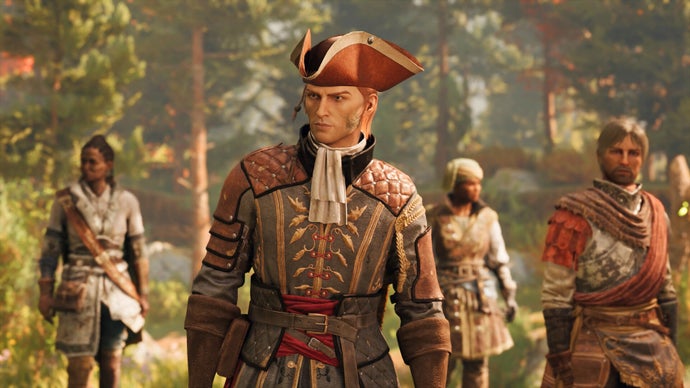
The gaming industry is currently grappling with a significant controversy as the French video game union, STJV, takes a firm stand against publisher Nacon. This escalating situation sees the union calling for a boycott after Nacon allegedly liquidates GreedFall studio Spiders. Discover the controversy surrounding PC development and GreedFall 2's future, as the union claims this move is a "premeditated and deliberate choice" by Nacon's management, designed to circumvent French labor laws. This article delves into the intricate details of the dispute, its potential ramifications for developers and players alike, and the broader implications for the global PC gaming landscape.
The Allegations: Nacon's Management and Spiders' Fate
The core of the current industry dispute centers on the unexpected liquidation of Spiders, the renowned developer behind titles like GreedFall and Steelrising. The STJV (Syndicat des Travailleurs et Travailleuses du Jeu Vidéo), a prominent French video game workers' union, has launched a vehement campaign against Nacon, accusing the publisher of deliberately orchestrating the studio's closure. According to the union, Spiders was not experiencing severe financial distress that would typically warrant such a drastic measure. Instead, they contend that Nacon's management made a conscious decision to liquidate the studio to avoid the stricter obligations and financial compensations associated with a traditional restructuring or collective dismissal process under French labor law.
This claim has sent ripples throughout the development community, raising questions about corporate ethics and developer security. The STJV's investigation suggests that Nacon's strategy might be to dismantle Spiders to absorb its intellectual property and potentially some key personnel while sidestepping the responsibilities of a formal layoff process. Such an approach, if proven true, represents a significant breach of trust and a concerning precedent for developer-publisher relationships across the global gaming sector.
Union Claims and French Labor Law Context
French labor laws are known for their robust protections for employees, making collective dismissals or company restructuring a complex and often costly process for employers. The STJV alleges that Nacon is exploiting a loophole by opting for liquidation, which, under specific circumstances, can simplify the termination of employment contracts. However, the union argues that Spiders was an operational and, at least until recently, a profitable entity, making a liquidation based on financial insolvency highly suspicious. They cite internal data and reports that contradict Nacon's purported reasons for the closure, highlighting the discrepancy between the publisher's actions and the studio's actual economic standing. This legal maneuver, if successful for Nacon, could set a dangerous precedent, encouraging other publishers to consider similar tactics to minimize costs associated with employee separations.
The Impact on GreedFall 2 and Future PC Development
One of the most immediate and significant casualties of this alleged liquidation is the highly anticipated GreedFall 2: The Dying World. Spiders had already announced the sequel and released early details, generating considerable excitement among fans of the original RPG. The sudden closure casts a dark shadow over the game's future, leaving its development in limbo. While Nacon holds the intellectual property rights, the crucial creative vision, technical expertise, and foundational work resided within Spiders. The possibility of Nacon assigning the project to another studio raises concerns about maintaining the series' unique identity and quality, potentially leading to a diluted experience for players.
Beyond GreedFall 2, the incident sends a chilling message to independent and mid-sized studios globally, particularly those operating under publishing agreements. It underscores the precarious position developers can find themselves in, even after delivering successful titles. The perceived vulnerability could lead to a more cautious approach from developers when seeking publishing deals, potentially stifling innovation and leading to fewer diverse PC game offerings in the long run.
Broader Implications for the Global Gaming Industry
This controversy extends far beyond the borders of France or the fate of a single studio. It highlights the growing tension between the creative labor force and the corporate structures that fund and publish their work. In an industry increasingly marked by mergers, acquisitions, and consolidation, the power dynamics often heavily favor publishers. The STJV's call for a boycott is not just about Spiders; it's a statement about worker rights, ethical business practices, and the protection of creative talent within the global gaming ecosystem. Such disputes can erode public trust in major publishers and influence consumer purchasing decisions, especially among players who prioritize ethical development and worker welfare.
Pro Tip: Navigating Publisher-Developer Relationships
For independent game developers entering publishing agreements, thoroughly vetting a publisher's track record and understanding the fine print of contracts is paramount. Prioritize clear clauses on intellectual property ownership, financial transparency, and exit strategies. Seeking legal counsel specialized in intellectual property and labor law can provide crucial protection and foresight against potential disputes, ensuring creative vision and team stability are safeguarded.
The Union's Call for a Boycott and Its Effectiveness
In response to Nacon's alleged actions, the STJV has issued a strong call for a global boycott of Nacon's games and products. The union urges consumers, journalists, and industry professionals to stand in solidarity with the affected developers and demand greater accountability from publishers. The effectiveness of such boycotts in the gaming industry has been mixed historically. However, in an age where social media amplifies voices and ethical consumerism is on the rise, a well-organized and widely supported boycott can exert significant pressure on a company's reputation and bottom line. The union hopes that public pressure will compel Nacon to either reconsider its liquidation strategy or at least engage in more transparent and equitable negotiations regarding the future of Spiders' employees and its intellectual properties.
Supporting Ethical Game Development
Consumers who wish to support ethical game development and send a message to publishers about fair labor practices have several avenues. This includes researching studios and publishers, engaging with union campaigns, and opting to purchase games from companies with transparent and fair employee policies. The collective power of the gaming community can play a crucial role in shaping industry standards and advocating for better working conditions and fairer dealings for developers.
Conclusion
The alleged liquidation of Spiders by Nacon, and the subsequent boycott call from the STJV union, highlights a critical juncture for the global gaming industry. It serves as a stark reminder of the often-unseen power struggles between publishers and developers, with significant implications for both creative output and worker welfare. While the fate of GreedFall 2 remains uncertain, this dispute unequivocally underscores the urgent need for greater transparency, stronger ethical frameworks, and robust protections for creative talent within the dynamic and ever-evolving world of PC development. The industry's future health and its ability to consistently deliver innovative and engaging experiences depend heavily on fostering equitable and respectful partnerships.
What are your thoughts on this situation? Have you experienced similar industry challenges, or do you have insights into the ethical considerations of game development and publishing? Share your comments and experiences below.
Frequently Asked Questions
What does "liquidation" mean for a game studio?
Studio liquidation typically means the company's assets are sold off to pay debts, and the company ceases to exist as an operational entity. For employees, it usually results in job termination. In this specific case, the controversy lies in the union's claim that Nacon chose liquidation not due to insolvency but to bypass stricter labor laws associated with layoffs or restructuring, impacting the former Spiders employees' severance and rights.
How does this impact the future of GreedFall 2?
The liquidation of Spiders severely jeopardizes the future of GreedFall 2: The Dying World. While Nacon owns the intellectual property, the primary creative team and development efforts were at Spiders. Nacon could theoretically assign the project to another studio, but this would likely mean significant delays and a potential departure from the original vision and quality that Spiders was known for, leaving the game's fate highly uncertain.
What is the role of a union like STJV in the gaming industry?
Unions like STJV (Syndicat des Travailleurs et Travailleuses du Jeu Vidéo) advocate for the rights and welfare of video game workers. Their roles include negotiating fair wages, reasonable working hours, job security, and ethical treatment from employers. They act as a collective voice to address issues like "crunch" culture, unfair dismissals, and lack of transparency, striving for better working conditions across the industry.
Can a consumer boycott truly affect a large publisher like Nacon?
Yes, consumer boycotts can significantly impact a publisher. While immediate financial losses might vary, the long-term damage to a company's reputation and brand image can be substantial. In the digital age, negative publicity spreads rapidly, affecting consumer trust, future sales, and even investor confidence. A sustained and widespread boycott can compel a publisher to address grievances and alter its business practices to regain public favor.