SpaceX Reportedly Plans to Manufacture Its Own GPUs
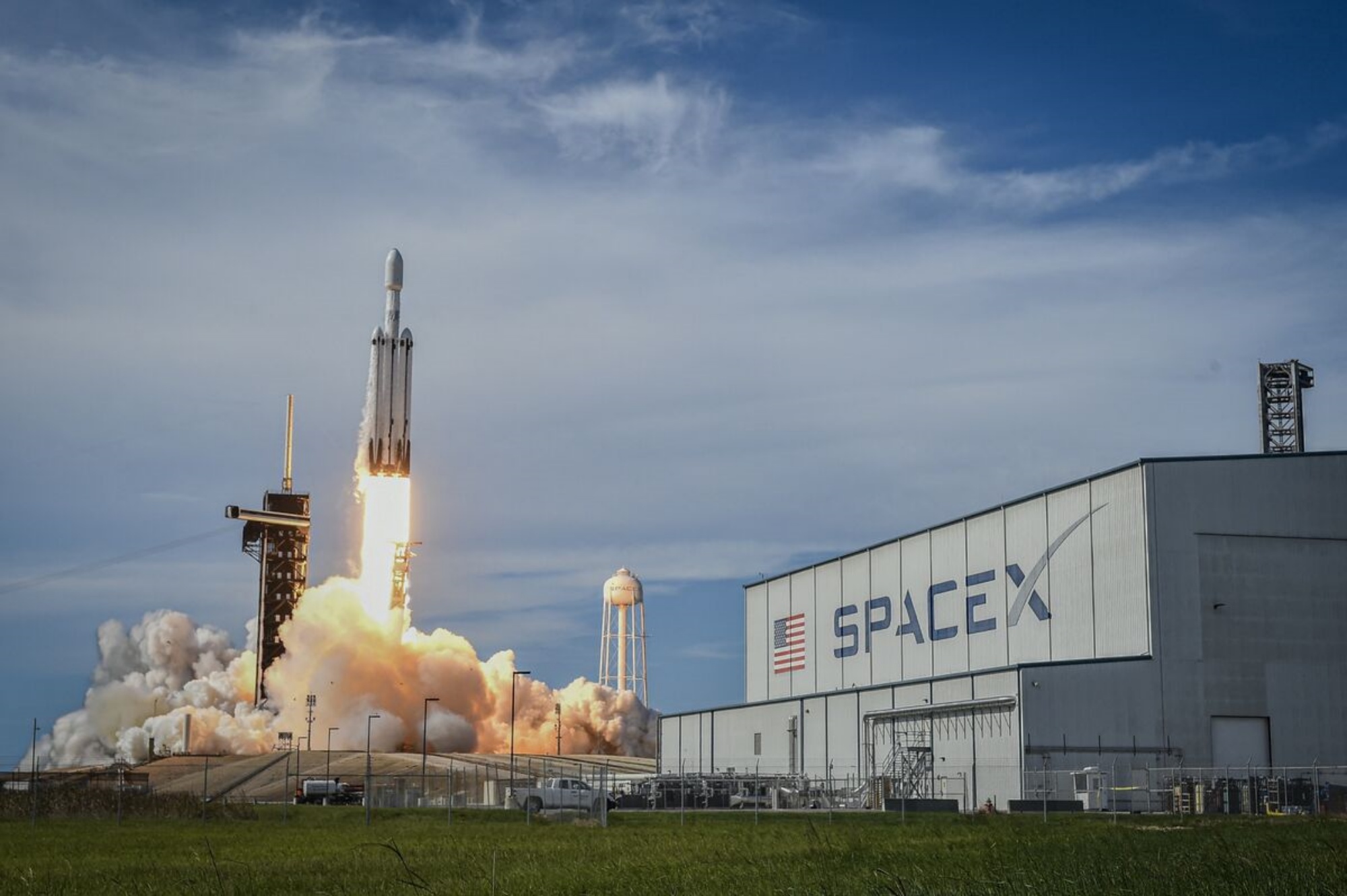
SpaceX is fundamentally restructuring its approach to high-performance computing by exploring the development of proprietary semiconductor hardware to mitigate heavy reliance on external vendors. SpaceX may build custom AI Chips to solve supply issues. Explore how this new hardware move and terafab links impact the future of Artificial Intelligence. This strategic pivot aligns with a long-standing philosophy of vertical integration, ensuring that the company’s ambitious goals for Starlink, Starship, and interplanetary exploration are not throttled by the volatile global supply chain.
The Strategic Necessity of Custom Silicon
The global demand for high-end Graphics Processing Units (GPUs) and Artificial Intelligence (AI) accelerators has reached an unprecedented peak, primarily driven by the generative AI boom. Industry leaders like NVIDIA currently command the lion's share of the market, leading to significant lead times and premium pricing that can exceed $30,000 per unit for flagship enterprise hardware. For a company like SpaceX, which requires massive computational power for flight simulations, satellite network management, and autonomous systems, these bottlenecks represent a critical risk to operational timelines.
By shifting toward in-house hardware design, SpaceX follows the blueprint established by Tesla with its Dojo supercomputer and Full Self-Driving (FSD) chips. Custom silicon allows engineers to strip away the "general purpose" overhead found in commercial GPUs, focusing instead on the specific mathematical operations required for SpaceX’s unique workloads. This specialization typically results in superior performance-per-watt metrics, which is vital for hardware deployed in power-constrained environments like orbital satellites.
Addressing the NVIDIA Dependency
While NVIDIA remains the gold standard for AI training, the "NVIDIA tax" and the uncertainty of allocation have forced major tech entities to seek alternatives. SpaceX’s potential entry into the chip manufacturing space is not merely about cost savings; it is about sovereignty. When a company controls its silicon, it can synchronize software and hardware updates with precision, avoiding the lag often associated with waiting for third-party driver optimizations or firmware patches.
The Terafab Concept: Scaling Manufacturing to New Heights
Reports surrounding the SpaceX GPU initiative frequently mention the "Terafab," a theoretical manufacturing facility designed to produce semiconductors at a scale and speed that dwarfs current industry standards. While traditional fabrication plants (fabs) take years and billions of dollars to construct, the SpaceX approach likely involves modularity and rapid iteration. The goal of a Terafab would be to harmonize the production of AI hardware with the high-output manufacturing lines already seen at the Starbase facility in Texas.
In the context of global competition, a Terafab could serve as a hedge against geopolitical instability in regions like Taiwan, where the majority of the world's advanced logic chips are currently produced. By establishing a robust, domestic pipeline for AI-ready silicon, SpaceX secures its future against potential trade restrictions or regional conflicts that could paralyze the aerospace and telecommunications sectors.
Vertical Integration as a Competitive Moat
SpaceX has already demonstrated that building components in-house—from rocket engines to Starlink user terminals—reduces costs by an order of magnitude. Applying this logic to GPUs would allow the company to integrate AI processing directly into the fabric of the Starlink constellation. Imagine satellites capable of processing complex geospatial data or managing mesh network routing using localized, high-efficiency AI chips rather than relying on ground-based data centers. This would significantly reduce latency and increase the utility of the network for government and enterprise clients.
Pro Tip: For enterprises looking to future-proof their infrastructure, the move toward custom silicon highlights the importance of "hardware-software co-design." Companies that optimize their code for specific chip architectures will achieve a significant competitive advantage in processing speed and energy efficiency over those using off-the-shelf solutions.
Impact on the Future of Artificial Intelligence
The entry of SpaceX into the hardware arena could act as a catalyst for a new era of AI development. If SpaceX successfully manufactures chips that rival or exceed the efficiency of current commercial offerings, it may create a ripple effect across the industry. This competition could drive down prices for enterprise-grade compute, making advanced AI more accessible to smaller firms that are currently priced out of the market.
Furthermore, the crossover of expertise between Tesla’s Dojo team and SpaceX’s hardware engineers creates a formidable talent pool. This cross-pollination of ideas ensures that the lessons learned in automotive AI—such as real-time computer vision and edge processing—are applied to aerospace challenges, and vice versa. The result is a more robust ecosystem of specialized AI hardware that can operate in the most demanding environments on Earth and in space.
Technical Challenges and Fabrication Realities
Designing a chip is only half the battle; manufacturing it is an entirely different challenge. Most chip designers are "fabless," meaning they rely on companies like TSMC or Samsung to actually print the silicon. If SpaceX intends to truly "manufacture" its own GPUs, it will need to navigate the complexities of lithography and cleanroom operations. It is more likely that SpaceX will design custom Application-Specific Integrated Circuits (ASICs) and partner with domestic foundries to ensure a steady supply of chips that meet their exacting specifications.
Conclusion: A New Frontier for Silicon
The rumor of SpaceX manufacturing its own GPUs is a logical progression for a company that has built its success on defying industry norms. By taking control of its computational destiny, SpaceX is not just building rockets; it is building the foundational intelligence required to manage the next generation of global and interplanetary infrastructure. The shift toward custom AI silicon will likely reduce long-term operational costs, eliminate supply chain vulnerabilities, and provide a bespoke hardware platform for the most advanced AI simulations in existence.
As the line between aerospace and big tech continues to blur, the SpaceX GPU project serves as a clear signal that the future of AI will be defined by those who control the hardware. Whether this move leads to a commercially available SpaceX chip or remains an internal secret weapon, the impact on the global semiconductor landscape will be profound.
What are your thoughts on SpaceX entering the semiconductor race? Do you believe custom silicon is the only way to solve the AI supply crisis? Share your insights in the comments below.
Frequently Asked Questions
Will SpaceX sell these GPUs to the public?
Current indications suggest that any hardware developed by SpaceX will be for internal use, specifically to support Starlink and Starship operations. However, if production scales sufficiently, there is a possibility of offering compute power through a cloud-based model, similar to how Amazon Web Services (AWS) utilizes its custom Graviton chips.
How do these chips differ from standard NVIDIA GPUs?
Standard GPUs are designed for a wide range of tasks, including gaming, video rendering, and general AI training. SpaceX-designed chips would likely be ASICs (Application-Specific Integrated Circuits) optimized for specific aerospace calculations, satellite telemetry, and the neural networks used in autonomous navigation, offering better efficiency for those specific tasks.
Why is this move important for the average Starlink user?
For the average user, better onboard processing on Starlink satellites means more efficient data routing and lower latency. Custom AI chips can help the network predict traffic patterns and adjust signal beams in real-time, leading to a more stable and faster internet connection, especially in high-density areas.
Does SpaceX have the expertise to design high-end semiconductors?
Yes, through its close association with Tesla and the recruitment of top-tier hardware engineers, SpaceX has access to some of the best silicon design talent in the world. Tesla’s success with the FSD chip and the Dojo D1 processor proves that the engineering culture within Elon Musk’s companies is capable of producing world-class hardware.
What is the expected timeline for SpaceX-manufactured chips?
While official timelines have not been released, the rapid pace of development at SpaceX suggests that prototype silicon could be in testing within the next 12 to 24 months. Integration into the actual satellite constellations would likely follow shortly after successful ground testing.