Samsung Galaxy Glasses Design Revealed in Leaked Renders
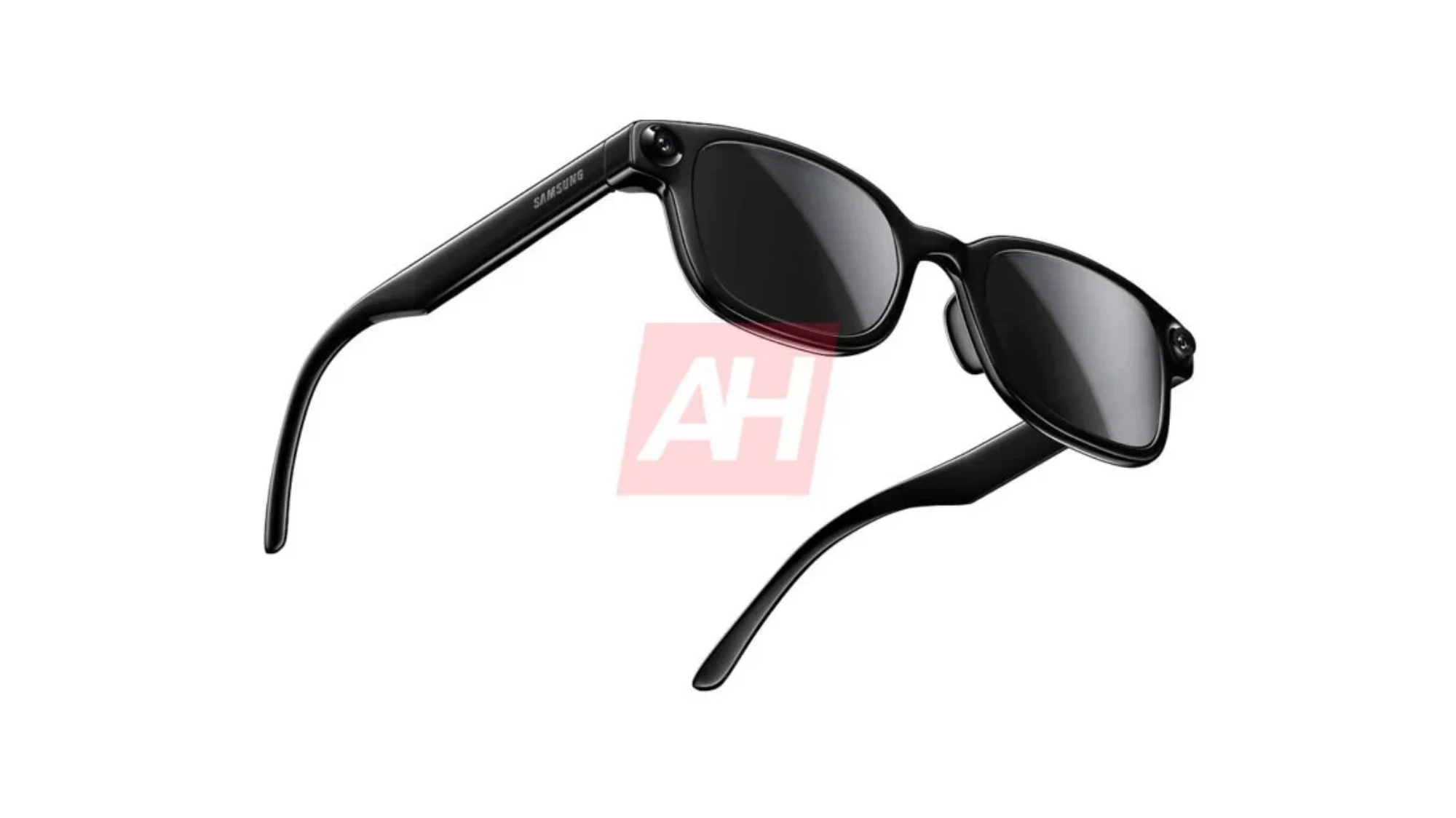
The wearables landscape is shifting toward immersive eyewear, and Samsung appears ready to deliver a formidable entry. Latest Rumours & Leaks reveal Samsung Galaxy Glasses design. Dive into leaked Wearables renders to see what Samsung's upcoming smart eyewear looks like. These unofficial CAD-based images outline a lightweight frame engineered for extended daily use, signaling that the manufacturer intends to compete directly with existing AI-powered eyewear solutions rather than pursuing bulky mixed-reality headsets.
Industrial Design and Form Factor
Recent industry movements confirm that consumers want spatial computing without headset fatigue. Samsung's response, based on the leaked imagery, adopts a lifestyle-first silhouette that sits closer to conventional sunglasses than to virtual-reality goggles. The frame avoids excessive bulk by housing core components inside swept-back temples, making the device appropriate for commutes, home offices, and outdoor environments across varying climates.
Temple Engineering and Weight Distribution
Engineering diagrams indicate a deliberate effort to redistribute weight away from the nose bridge and toward the earstems. Sculpted temple tips curve behind the auricle, which should reduce pressure points during extended conference calls or navigation sessions. Materials appear to include a matte-finish thermoplastic outer shell with internal titanium reinforcements, a combination that keeps the total mass near the 50-gram threshold. For a global audience operating in humid or dry conditions, the hypoallergenic coating and IPX4-rated moisture resistance offer practical longevity.
Camera and Sensor Housing
Discrete protrusions at the front of each temple suggest the inclusion of dual wide-angle image sensors. This placement enables stereoscopic photo and video capture, depth mapping for AI recognition, and first-person documentation without raising a smartphone. Subtle venting channels visible in the renders indicate active thermal management to prevent heat accumulation near the temples, a common issue in compact wearables that compromises skin comfort and sensor stability during prolonged recording.
Internal Hardware and Connectivity
Power constraints in eyewear form factors require disciplined hardware choices. Rather than using a flagship application processor, Samsung is expected to integrate a low-power system-on-chip paired with a dedicated neural processing unit for on-device Galaxy AI inference. Independent analysts predict Bluetooth 5.4 and Wi-Fi 6E support to maintain latency-free communication with Galaxy smartphones, tablets, and enterprise networks. The leaked renders further reveal gold-plated charging pins on the inner temple surfaces, implying a proprietary charging dock or carry case similar to those used for wireless earbuds.
- Power Management: A dual-cell battery architecture distributed across both temples is likely intended to balance weight and extend endurance to approximately four hours of active camera and AI use.
- Optical Sensors: 12-megapixel ultrawide modules would align with Samsung's existing smartphone camera strategy, enabling spatial video recording compatible with major social platforms.
- Audio Hardware: Directional speaker grilles positioned downward toward the ear canal allow open-ear audio playback, preserving environmental awareness in busy metropolitan areas.
Galaxy AI and Software Integration
The absence of a visible heads-up display shifts the interaction model toward audio feedback and smartphone relay. Samsung's Galaxy AI ecosystem is positioned to handle object recognition, real-time translation, and live transcription directly on the glasses before syncing summaries to Galaxy devices. This architecture is ideal for professionals traveling internationally or attending multilingual meetings, as the eyewear can capture visual context and generate audible translations without requiring the user to hold a phone. Cross-platform support remains limited, though core Bluetooth functions should operate with non-Galaxy Android handsets and iOS devices.
Pro Tip: When selecting AI eyewear for international travel or remote work, prioritize models with offline language packs and water resistance rated for unpredictable weather. Audio-first wearables with open-ear designs maintain situational awareness in busy urban centers without isolating you from your environment.
Market Positioning and Global Outlook
Samsung historically undercuts Apple and dedicated XR manufacturers by delivering premium features at mid-tier price points. Market watchers estimate the Galaxy Glasses will debut between $300 and $450 USD, a bracket that undercuts most prescription AR lenses while remaining accessible to mainstream consumers. A phased global rollout is expected, beginning with North America, the European Union, and select Asian markets where Samsung's retail infrastructure is already established. Carrier partnerships may also bundle the wearable with Galaxy smartphone contracts, reducing upfront costs for users upgrading their mobile devices.
Final Verdict and User Takeaways
Leaked renders position Samsung Galaxy Glasses as a calculated entry into the lightweight wearables category. By prioritizing audio AI, hands-free capture, and all-day comfort over immersive augmented-reality overlays, the company targets content creators, business travelers, and remote workers who need ambient computing without visual obstruction. If the final retail unit maintains the observed industrial design and integrates seamlessly with existing Galaxy AI services, Samsung could establish a new benchmark for practical smart eyewear. Readers expecting a product that blends into professional wardrobes rather than dominating them will likely find this approach refreshing. Share your thoughts in the comments on whether camera-centric smart glasses fit your daily workflow.
Frequently Asked Questions
Will the Samsung Galaxy Glasses feature augmented reality overlays?
Current leaks suggest an audio and camera-forward wearable without transparent microLED displays. This conservative approach maximizes battery efficiency and keeps retail pricing accessible to a broad consumer base.
Are Samsung Galaxy Glasses compatible with iPhones and third-party Android devices?
While Samsung will optimize for Galaxy devices, basic Bluetooth audio and hands-free camera sync should function with iOS and standard Android handsets. Advanced on-device AI features and deep settings integration will likely remain exclusive to the Galaxy ecosystem.
What is the expected durability and weather resistance rating?
Industry analysts anticipate an IPX4 rating for sweat and light rain resistance, making the device suitable for varying climates and daily outdoor commuting. Users should avoid submerging the eyewear or exposing it to high-pressure water streams.
Can the frames accommodate prescription lenses?
Though unofficial sources remain divided, the modular front frame suggests Samsung may offer replacement rims through authorized optical partners. This would broaden accessibility for users requiring corrective lenses in North America, Europe, and Asia.
When will Samsung officially announce the Galaxy Glasses?
Samsung has not confirmed a launch window. Based on historical Galaxy wearable cycles, an announcement could coincide with the next Galaxy Unpacked event, with global retail availability following shortly thereafter through Samsung's online store and major electronics retailers.