Memory Makers Will Only Meet 60% Of Demand By 2027
April 19, 2026
•
subimpact team
•
0 comments
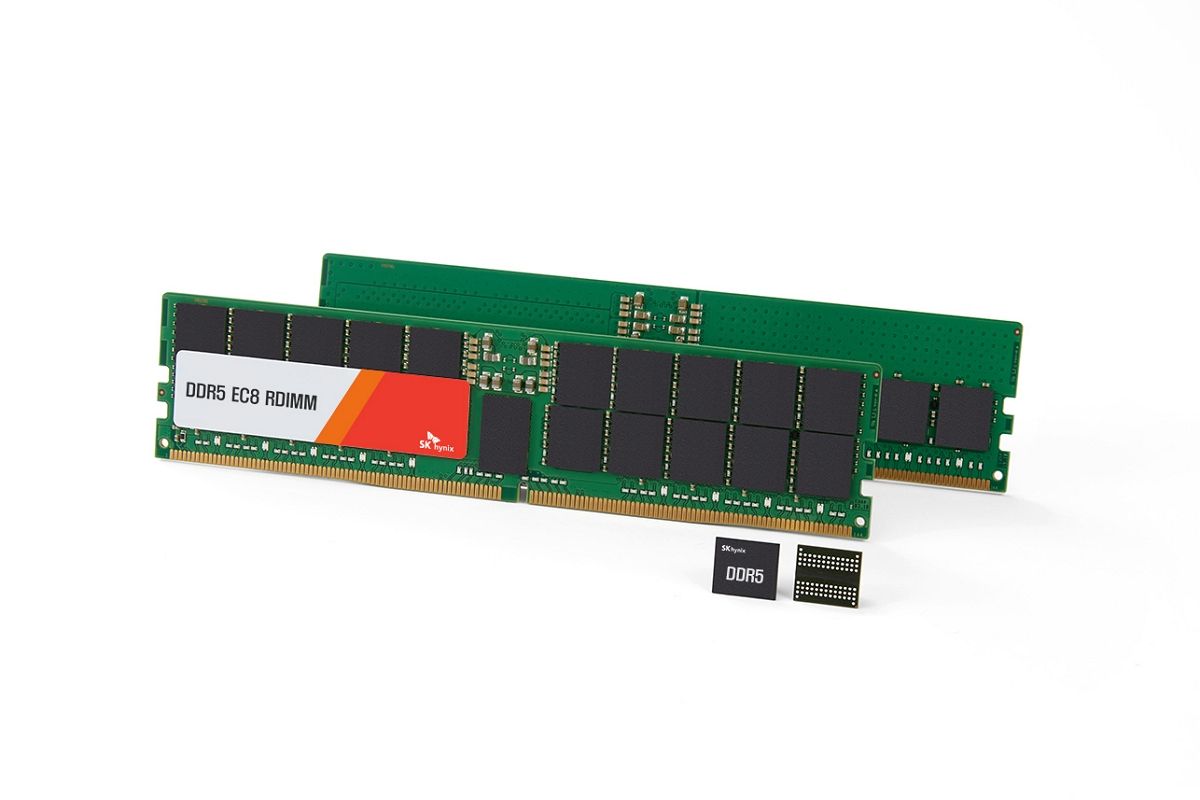
The global semiconductor industry is entering a period of unprecedented supply-chain tension that threatens to reshape the cost structure of modern computing. Memory makers expect to meet just 60% of demand by 2027. Learn why this supply gap impacts global RAM availability and what it means for future hardware costs. This projected shortfall is not merely a temporary logistical hiccup but a fundamental shift in how silicon wafers are allocated across the enterprise and consumer sectors. As artificial intelligence continues its aggressive expansion into every facet of technology, the physical limits of production facilities are being tested, leaving a significant portion of the market underserved.
The Catalysts of the Impending Memory Shortage
The primary driver behind this widening gap is the explosive growth of generative artificial intelligence and the high-performance computing (HPC) clusters required to train large language models. Unlike standard desktop computing, AI applications require specialized memory known as High Bandwidth Memory (HBM). This technology stacks DRAM chips vertically, providing the massive data throughput necessary for modern GPUs. However, the manufacturing process for HBM is significantly more complex and resource-intensive than traditional DDR5 memory modules.
Major industry players, including Samsung Electronics, SK Hynix, and Micron Technology, are currently pivoting their production lines to accommodate the high-margin requirements of AI-centric clients. This shift effectively reduces the total volume of standard RAM that can be produced. When a fabrication plant (fab) allocates a larger portion of its cleanroom space and wafer starts to HBM, the overall yield for consumer-grade memory decreases. Analysts suggest that the production of HBM requires approximately twice the wafer capacity of standard DRAM to achieve the same bit output, creating an inherent "capacity tax" on the entire industry.
The Manufacturing Bottleneck: TSV and Fab Expansion
Increasing the supply of memory is not as simple as flipping a switch or adding a night shift at an existing facility. Building a new semiconductor fabrication plant is a multi-year endeavor that requires an investment often exceeding $10 billion per facility. While the leading memory makers have announced ambitious expansion plans in both South Korea and the United States, these plants will not be fully operational until the latter half of the decade. This timeline leaves a critical window between 2025 and 2027 where demand is expected to skyrocket while supply remains relatively stagnant.
Technological Complexity of Through-Silicon Via (TSV)
A specific technical hurdle contributing to the 60% supply ceiling is the reliance on Through-Silicon Via (TSV) technology. TSV is the process used to create vertical interconnects between stacked memory dies. It is a precision-heavy manufacturing step with lower yields than traditional flat-chip packaging. As the industry moves from HBM3e to the next-generation HBM4 standards, the complexity of these interconnects increases, further slowing down the throughput of finished goods. Until manufacturing yields for these advanced packaging techniques improve, the total output of the "Big Three" memory makers will remain constrained.
The Shift in Capital Expenditure (CAPEX)
Investors and market analysts are closely watching how memory makers manage their capital expenditure. To meet even the 60% projected demand, companies must spend billions on extreme ultraviolet (EUV) lithography machines and specialized etching equipment. This massive financial commitment means that memory makers are likely to maintain high prices to recoup their investments. For the global audience, this translates to a market where the "cheap RAM" eras of the past are unlikely to return anytime soon.
Impact on Consumer Hardware and Global RAM Availability
While enterprise AI gets the lion's share of attention, the ripple effects on consumer hardware will be profound. As memory makers prioritize high-margin HBM for data centers, the supply of DDR5 and even older DDR4 modules for laptops and desktops will inevitably tighten. This supply-demand imbalance is a classic economic trigger for price volatility. Consumers should prepare for a landscape where the cost of upgrading a PC or purchasing a high-end smartphone fluctuates based on the availability of underlying silicon.
Rising Costs for Personal Computing
Historically, memory has been a cyclical commodity, with periods of oversupply leading to basement-level pricing. However, the current trend suggests a "structural deficit." By 2027, if only 60% of demand is met, the retail price for a 32GB kit of DDR5 RAM could see significant premiums compared to 2023 levels. This impact extends to Solid State Drives (SSDs) as well, as many high-performance drives utilize DRAM as a cache buffer to maintain high transfer speeds. If the buffer chips are in short supply, the cost of high-capacity storage will also rise accordingly.
Smartphone and IoT Constraints
The mobile industry is equally vulnerable. Modern smartphones now require 12GB to 16GB of LPDDR5X RAM to handle on-device AI features. With memory makers focusing on the server market, smartphone manufacturers may face higher procurement costs, which are typically passed down to the end consumer. For budget-conscious regions, this could mean a stagnation in hardware specs, as manufacturers opt for lower memory configurations to keep device prices stable.
Pro Tip: For IT managers and PC enthusiasts, the next 18 months represent a critical window for procurement. If you are planning a large-scale hardware refresh or a high-end workstation build, securing memory components sooner rather than later may protect you against the projected price hikes and stock shortages of 2026 and 2027.
Strategic Responses from the Big Three
Samsung, SK Hynix, and Micron are not sitting idly by. They are engaging in strategic partnerships with logic chip makers like NVIDIA and AMD to ensure their memory is tightly integrated into the next generation of AI accelerators. This vertical integration further locks up supply, as large portions of production are spoken for years in advance through long-term supply agreements (LTAs).
Samsung's Diversification Strategy
Samsung is leveraging its position as a full-stack semiconductor giant to optimize its fab space. By utilizing its advanced nodes for both logic and memory, it aims to maximize the utility of every square foot of cleanroom space. However, even with these efficiencies, the sheer scale of the AI demand remains a formidable challenge that exceeds their current 2027 projections.
SK Hynix and the HBM Lead
As the current leader in HBM market share, SK Hynix is the primary beneficiary of the AI boom. Their roadmap focuses heavily on HBM4, with plans to introduce even more sophisticated stacking methods. Their commitment to this path reinforces the reality that standard consumer DRAM is becoming a secondary priority for the world's most advanced fabrication lines.
Actionable Conclusion
The semiconductor industry is signaling a major shift that will define the late 2020s. With memory makers expecting to meet only 60% of global demand by 2027, the era of abundant, low-cost silicon is pausing. The industry is prioritizing the infrastructure of the AI revolution, which leaves consumer and traditional enterprise hardware in a vulnerable position. Hardware enthusiasts and business leaders must adjust their expectations for pricing and availability. We recommend keeping a close watch on quarterly supply reports and considering early investments in critical hardware to mitigate the impact of the upcoming supply gap. How do you plan to navigate these rising costs? Let us know your thoughts in the comments below.
Frequently Asked Questions
Why can't memory makers just build more factories faster?
Building a semiconductor fab is an incredibly complex process involving specialized environmental controls and the procurement of rare lithography machines. It typically takes 3 to 5 years from breaking ground to achieving full production capacity, meaning current construction will only impact the market in the late 2020s.
Will this supply gap affect the price of gaming consoles?
Yes, gaming consoles like the PlayStation and Xbox rely heavily on high-speed GDDR memory. If the global supply of memory is constrained, the manufacturing costs for these consoles will rise, potentially leading to higher retail prices or delayed mid-generation refreshes.
Is there any alternative to HBM for AI applications?
While there are other memory types, none currently offer the same combination of bandwidth and power efficiency as HBM. Until a new architectural breakthrough occurs, the industry remains tethered to HBM, which is the primary cause of the current capacity diversion from consumer products.
Should I wait until 2027 to buy a new computer?
Waiting may be counterproductive. Based on current projections, the supply gap is expected to be most severe in 2027. Purchasing hardware now or in early 2025 may allow you to avoid the peak of the shortage and the resulting price inflation.
How does this impact SSD prices?
While NAND flash (used in SSDs) is different from DRAM, the two often share manufacturing resources and physical fab space. Additionally, many high-end SSDs require a DRAM controller chip to function efficiently. Therefore, a shortage in DRAM often leads to a sympathetic price increase in the SSD market.