Insta360 Micro Four Thirds Camera Spotted in New Leak
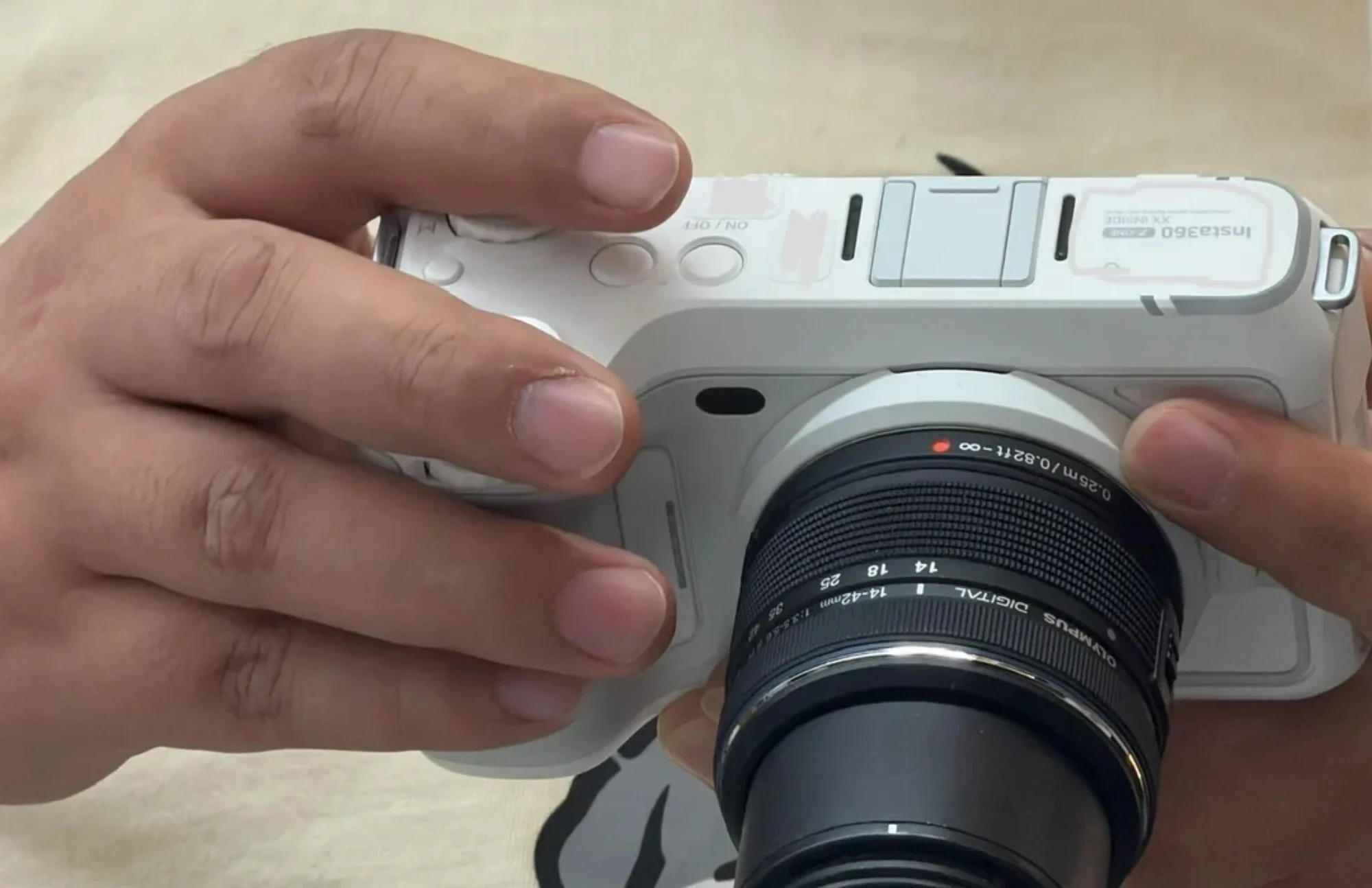
Insta360 is poised to disrupt the professional imaging landscape with its latest hardware leak, signaling a departure from standard action camera constraints. New leaks suggest Insta360 is entering the Micro Four Thirds photography market. Explore the latest details on this upcoming camera and what it means for fans. This strategic move places the company in direct competition with established giants in the mirrorless and vlogging sectors, offering a significant upgrade in image quality and sensor performance for creators worldwide.
The Evolution of Insta360 Imaging
For years, Insta360 has been synonymous with 360-degree capture and rugged action cameras. From the pocket-sized X series to the modular ONE RS system, the brand has consistently pushed the boundaries of stabilization and software-driven editing. However, the move toward a Micro Four Thirds (MFT) sensor represents a fundamental shift in the company's product philosophy. By adopting a larger sensor format, the brand is moving into the high-fidelity space previously dominated by specialized cinema cameras and high-end vlogging setups.
The MFT system offers a sensor area significantly larger than the 1/2.3-inch or even the 1-inch sensors found in premium action cameras. This increase in surface area allows for better light gathering, improved dynamic range, and a more pleasing shallow depth of field. For professional creators who require a compact form factor without sacrificing the "cinematic look," this transition is a logical progression for a brand that has already mastered the art of digital stabilization and AI-assisted workflows.
Decoding the Recent Hardware Leaks
Recent images and regulatory filings indicate that the new device deviates from the slim, vertical orientation of the X series. Instead, the leaked form factor suggests a more traditional camera body, potentially optimized for handheld vlogging or gimbal mounting. Unlike their previous collaborations with Leica on 1-inch sensor modules, this new leak points toward a dedicated MFT ecosystem. Industry insiders suggest the camera may feature a fixed high-quality lens or, more ambitiously, a proprietary or standard MFT mount system.
Potential Features and Design Language
The leaked visuals highlight a robust cooling system, which is essential for handling the heat generated by high-bitrate 4K or 8K video recording on a larger sensor. We can expect the camera to retain Insta360's signature FlowState Stabilization, which would be a game-changer when paired with a larger sensor. In the current market, MFT cameras often require external gimbals for smooth footage, but if Insta360 can successfully port its internal stabilization algorithms to this new format, it would create a unique selling proposition that few competitors could match.
Market Positioning and Competitive Analysis
By entering the MFT space, Insta360 is positioning itself against the Panasonic Lumix GH series and the Sony ZV line. While Sony dominates the autofocus and full-frame vlogging market, Panasonic has long held the MFT crown for video-centric features. Insta360’s entry introduces a third variable: advanced AI integration. Most traditional camera manufacturers struggle with user-friendly software; Insta360 excels at it. A camera that combines the image quality of a $1,000 USD MFT sensor with the auto-editing capabilities of the Insta360 app could revolutionize how content is produced for global platforms.
In terms of pricing, the device is expected to sit at a premium compared to the Ace Pro or the X4. Given the costs associated with larger sensors and high-end optics, a price point between $700 USD and $999 USD is highly probable. This would place it as a professional tool for home offices, travel enthusiasts, and independent filmmakers who need a reliable B-cam or a primary vlogging rig that fits into a small gear bag.
Pro Tip: When upgrading to a Micro Four Thirds system, focus on lighting and lens quality. A larger sensor provides the foundation for professional imagery, but maximizing dynamic range requires understanding how to expose for the highlights—a task made easier by Insta360's rumored built-in HDR processing.
Technical Implications for Professional Creators
The transition to MFT means better low-light performance, which has historically been the Achilles' heel of action cameras. In environments with varying climates—from dimly lit urban centers to overcast mountain ranges—the larger pixels of an MFT sensor can capture more detail with less electronic noise. This makes the upcoming camera ideal for professional travel vloggers who cannot always control their lighting conditions.
Furthermore, the integration of professional-grade codecs is expected. While current action cameras often use highly compressed H.264 or H.265 formats, a dedicated MFT camera from Insta360 might offer 10-bit color depth or Log profiles. This allows for extensive color grading in post-production, providing the flexibility needed for high-end commercial work. Compatibility with major ISPs and high-speed storage solutions will also be critical, as the data rates for high-quality MFT video will far exceed those of standard 360-degree files.
Actionable Conclusion
The leaked Insta360 MFT camera represents one of the most exciting developments in the imaging industry for 2026. It bridges the gap between the ultra-portable action camera and the heavy, cumbersome mirrorless setup. If the leaks prove accurate, creators will soon have access to a device that offers professional-grade optics, world-class stabilization, and the industry’s most intuitive software suite. For fans of the brand and professional videographers alike, this camera could be the "all-in-one" solution that has been missing from the market. We recommend keeping an eye on official announcements, as a release of this magnitude is likely to include a range of new accessories and modular components designed to maximize the MFT sensor's potential.
Frequently Asked Questions
Will the new Insta360 MFT camera be compatible with existing mounts?
While the camera body appears larger, Insta360 has a history of maintaining compatibility with the standard 1/4-inch mounting screw found on most tripods and invisible selfie sticks. However, due to the increased weight of an MFT sensor and lens, some specialized action mounts may require reinforcement.
What is the expected price in USD?
While official pricing has not been released, industry analysts estimate the camera will retail between $700 and $1,000 USD, depending on whether it is sold as a standalone body or a lens bundle. This ensures it remains competitive with the Sony ZV-E10 II and Panasonic G series.
Can I use my existing Insta360 lenses on this camera?
It is unlikely that lenses from the ONE RS or other small-sensor modules will be compatible. Micro Four Thirds sensors require a much larger image circle than the 1/2.3-inch or 1-inch sensors used in previous modular systems. This camera will likely debut a new lens series or utilize a standard MFT mount.
Will this camera support 8K video recording?
Given that the Insta360 X4 already supports 8K, it is highly probable that a professional-grade MFT camera will offer at least 8K resolution or, at the very least, exceptionally high-bitrate 4K and 5.7K video to cater to professional post-production workflows.