Huawei Unveils New AI Lab and Global Innovation Centre
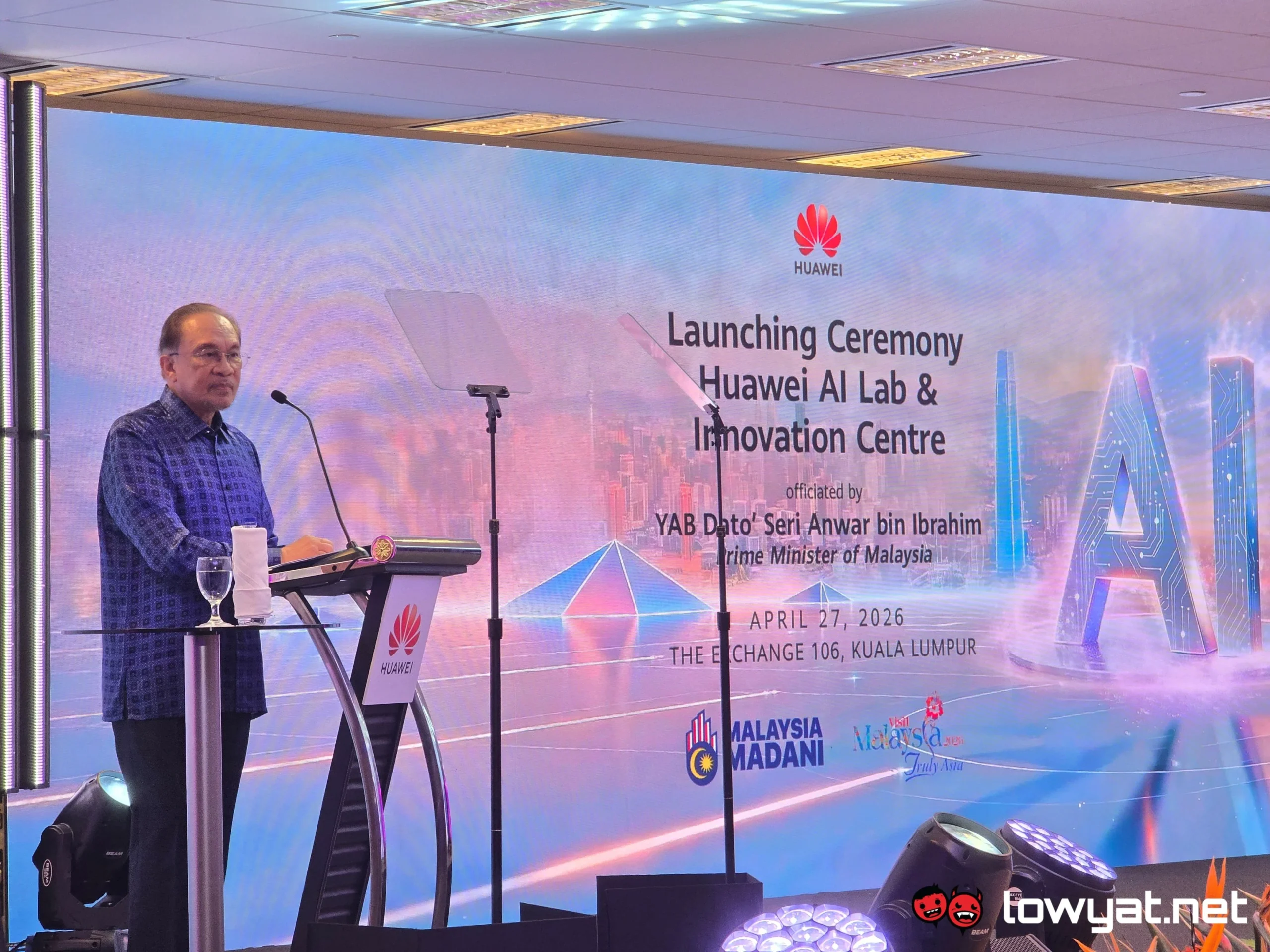
The global landscape of machine learning and digital infrastructure is currently undergoing a radical transformation as major technology providers shift their focus toward localized research and specialized hardware. Huawei opens its newest ai lab and innovation centre to drive Artificial Intelligence development. Explore how this new hub supports regional tech growth today. This strategic initiative underscores a broader commitment to fostering sovereign digital capabilities, ensuring that enterprises and government entities have the requisite tools to build, train, and deploy sophisticated models within a secure and high-performance environment. By centralizing research and development efforts in this new facility, the organization is effectively bridging the gap between theoretical computer science and practical industrial application.
Foundational Infrastructure for High-Performance Computing
The cornerstone of this new innovation center is its massive investment in proprietary hardware designed specifically for heavy-compute workloads. Unlike standard data centers, this facility is optimized for the rigorous demands of deep learning and neural network training. It utilizes a combination of the Ascend AI processor series and Kunpeng high-performance computing clusters to provide a seamless full-stack solution. This hardware architecture is critical for reducing the "time-to-train" for large-scale language models and computer vision systems, which is a major bottleneck for many startups and research institutions globally.
Ascend and Kunpeng Integration
The integration of specialized chipsets allows the lab to offer unparalleled efficiency in both training and inference. For global enterprises, this means the ability to process petabytes of data with significantly lower energy consumption compared to traditional GPU-based setups. The lab serves as a testing ground for these technologies, allowing developers to optimize their code for specific architectural nuances that can lead to 2x or 3x performance gains in specific AI workloads. This focus on vertical integration—from the silicon to the software framework—ensures that the innovation hub remains at the cutting edge of the global tech stack.
Cloud-Edge Synergy
Another critical component of the center is its focus on cloud-edge synergy. The facility is designed to help businesses transition from centralized cloud computing to a distributed model where AI processing happens closer to the data source. This is particularly vital for industries like autonomous manufacturing and smart city management, where millisecond latency can be the difference between success and failure. By providing a sandbox for edge computing scenarios, the lab allows for the development of real-time AI solutions that are both fast and resilient to network fluctuations.
Empowering the Regional Digital Economy
The establishment of this AI lab is not merely a technical milestone; it is a significant economic catalyst. By investing millions of dollars—often exceeding the $10 million USD mark for initial phases in similar regional projects—Huawei is creating a high-tech ecosystem that attracts top-tier talent and fosters entrepreneurial growth. The center is expected to become a nexus for collaboration between the private sector, academia, and government bodies, ensuring that the benefits of Artificial Intelligence are distributed across the entire economic spectrum.
Nurturing Local Talent Pipelines
A primary objective of the new innovation center is to address the global shortage of skilled AI engineers. Through a series of certification programs, workshops, and hands-on laboratory sessions, the facility aims to train thousands of local professionals over the next several years. These programs are designed to be globally compatible, following industry-standard curricula that ensure graduates are competitive on a world stage. By lowering the barrier to entry for advanced technical education, the lab is helping to build a sustainable workforce capable of managing the complexities of 21st-century digital infrastructure.
Support for Startups and SMEs
Small and medium-sized enterprises (SMEs) often face prohibitive costs when attempting to integrate AI into their business models. The innovation center mitigates this by providing "AI-as-a-Service" and incubation programs. Startups can apply for compute credits and gain access to expert mentorship, allowing them to scale their operations without the heavy capital expenditure typically associated with high-end server hardware. This democratization of technology is essential for maintaining a competitive and diverse global market where innovation is not restricted to the largest conglomerates.
Pro Tip: Enterprises looking to maximize their ROI in AI should focus on data quality before compute power. Utilize the innovation center’s diagnostic tools to clean and structure your datasets, which often leads to more accurate models than simply increasing raw processing cycles.
Vertical Industry Solutions and Practical Applications
The research conducted at the lab is heavily oriented toward solving real-world problems. Rather than focusing solely on generative AI for consumer use, the center prioritizes industrial-grade applications that can transform traditional sectors. From healthcare diagnostics to financial fraud detection, the lab provides the specialized environments needed to fine-tune models for high-stakes environments.
Smart Manufacturing and Logistics
In the realm of manufacturing, the lab is developing AI-driven predictive maintenance systems. These systems use sensor data to predict machine failures before they occur, potentially saving factories millions of dollars in downtime. Furthermore, the center is exploring AI-optimized logistics, using complex algorithms to streamline global supply chains, reduce fuel consumption, and improve delivery timelines for international shipping operations.
Financial Services and Security
Security is a paramount concern for any digital hub. The innovation center is at the forefront of developing "AI for Security," focusing on automated threat detection and response. In the financial sector, this translates to more robust anti-money laundering (AML) tools and more accurate credit scoring models that can operate in varying economic climates. By providing a secure environment for testing these sensitive applications, the lab ensures that innovation does not come at the expense of data privacy or systemic stability.
Conclusion: A New Era of Global Innovation
The launch of this AI lab and innovation center marks a definitive step toward a more collaborative and technologically advanced future. By providing the essential infrastructure, talent development programs, and industry-specific solutions, the facility is poised to become a central pillar of the global AI ecosystem. For businesses and researchers, the message is clear: the tools for the next great technological breakthrough are now more accessible than ever. We encourage industry leaders and developers to engage with these new resources and share their progress as we collectively navigate the complexities of the AI-driven era.
Frequently Asked Questions
What industries can benefit most from the new AI lab?
While the lab is designed for general-purpose AI development, it offers specialized support for manufacturing, finance, healthcare, and logistics. Any industry that relies on high-compute data processing or real-time automation will find significant value in the lab's resources and proprietary hardware clusters.
Is the technology in the lab compatible with global standards?
Yes. The lab focuses on full-stack solutions that are designed to be compatible with major open-source frameworks and international technical protocols. This ensures that models developed within the center can be deployed globally across various cloud environments and ISP infrastructures.
How can local startups gain access to the center's resources?
Startups can typically gain access through partnership programs or by applying for innovation grants. The center provides compute credits, technical mentorship, and a sandbox environment for testing new AI applications, significantly reducing the initial cost of R&D for smaller companies.
Does the lab offer certification for AI professionals?
The innovation center hosts various training initiatives aimed at upskilling the workforce. These programs often lead to recognized certifications in AI development, cloud computing, and hardware optimization, helping professionals align their skills with current global market demands.
How does the center address data privacy and security?
The facility is built with a "security-first" architecture, utilizing encrypted data silos and secure multi-party computation techniques. This allows multiple stakeholders to collaborate on AI models without compromising the underlying raw data, which is essential for sensitive sectors like healthcare and national defense.