How Nissan Serena e-Power Delivers 100% Electric Drive
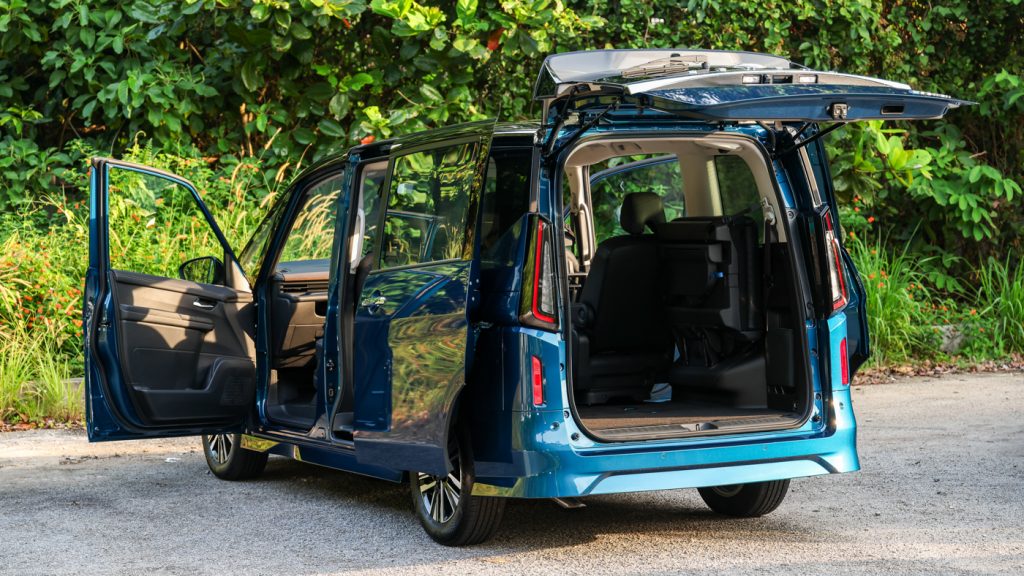
The evolution of automotive technology has reached a critical juncture where the benefits of electric mobility are finally becoming accessible to households without the need for specialized infrastructure. Want a 100% electric drive without plugging in? Check this sponsored post on Nissan Serena e-Power cars. Explore Nissan Malaysia transport for your family today. This innovative approach to vehicle propulsion addresses the primary concerns of modern families—range anxiety and charging convenience—while providing the instantaneous torque and silent operation typically reserved for battery electric vehicles.
Understanding the e-Power Propulsion System
The core of the e-Power system is its unique architecture, which differentiates it from conventional hybrids and fully electric vehicles. In a standard hybrid, the wheels can be driven by either the internal combustion engine, the electric motor, or both. However, in the e-Power configuration, the wheels are driven 100% of the time by a high-output electric motor. The internal combustion engine, which in the latest models is a highly efficient 1.4-liter specialized unit, serves one purpose: acting as an on-board generator to charge the lithium-ion battery pack or provide power directly to the motor.
This "series hybrid" setup means that the driving experience is identical to that of a pure electric car. Drivers enjoy immediate acceleration and a smooth, linear power delivery that internal combustion engines cannot replicate due to the mechanical delays of gear shifts and power bands. Because the engine is not connected to the wheels, it can operate at its most efficient RPM range, significantly reducing fuel consumption and minimizing carbon emissions compared to traditional gasoline-powered multi-purpose vehicles (MPVs).
Why 100% Electric Drive Matters for Performance
Performance in a family vehicle is often measured by its ability to navigate heavy urban traffic and merge onto highways with confidence. The electric motor in the e-Power system provides peak torque from zero RPM. This allows a fully loaded seven-seater vehicle to accelerate with the agility of a much smaller sedan. Furthermore, the absence of a traditional gearbox means there are no shift shocks, creating a serene cabin environment that is ideal for long-distance travel and passenger comfort.
Eliminating the Barriers to EV Adoption
Globally, the transition to electric vehicles (EVs) faces three major hurdles: the high cost of entry, the lack of widespread fast-charging networks, and the significant time required for "refueling" a battery. The e-Power system effectively bypasses these obstacles. By using gasoline to generate electricity, the vehicle can be refueled at any standard station in minutes, offering a total driving range that often exceeds 600 miles ($1,000 kilometers) on a single tank, depending on driving conditions. This makes it a universal solution, whether you are navigating the dense streets of a metropolitan center or exploring rural landscapes where charging ports are non-existent.
Solving the Range Anxiety Equation
Range anxiety remains the most significant psychological barrier for potential EV buyers. The e-Power technology provides a safety net by utilizing a global refueling infrastructure that is already mature. Families do not need to plan their trips around charging station locations or worry about "charger hogging" at public points. This reliability makes it a superior choice for those who require a primary vehicle capable of handling both daily commutes and spontaneous cross-country road trips without logistical stress.
Efficiency and Environmental Impact
While the vehicle uses gasoline, its efficiency is significantly higher than a standard internal combustion engine. Because the engine only runs to maintain battery levels or provide extra power during high-demand phases, it spends much of its time deactivated. In stop-and-go city traffic, the vehicle relies heavily on the battery, often operating in near-silent EV mode. Additionally, the system utilizes regenerative braking to capture kinetic energy during deceleration, further optimizing the fuel-to-range ratio.
The Role of the e-Pedal Step
A standout feature of the e-Power driving experience is the e-Pedal Step technology. This allows the driver to accelerate and decelerate using only the accelerator pedal. When you lift off the pedal, the motor applies regenerative braking force, slowing the vehicle down smoothly while simultaneously charging the battery. This not only makes urban driving less fatiguing by reducing the need to switch between pedals but also increases the overall energy efficiency of the platform.
Pro Tip: To maximize your fuel savings and battery health, engage the "Eco" mode during city commutes. This optimizes the e-Pedal sensitivity and manages the generator's cycles to ensure you are utilizing electric power for as much of your journey as possible.
Design and Utility: Tailored for the Global Family
Beyond the powertrain, the vehicle is designed as a high-utility transport solution. Space management is a priority, with modular seating configurations that can accommodate up to seven or eight passengers comfortably. The interior design emphasizes visibility and ergonomic access, ensuring that even the third row is easily accessible for adults and children alike.
Innovative Features for Daily Convenience
The latest iterations of this family transport include features designed for real-world scenarios. Dual-opening back doors allow users to access the luggage area even in tight parking spaces where a full tailgate could not open. Hands-free sliding doors, activated by a simple kick motion under the vehicle, solve the common problem of loading groceries or children when your hands are full. These localized innovations contribute to a premium ownership experience that goes beyond the mechanical benefits of the electric drive.
The Verdict: Is e-Power Right for You?
The Nissan Serena e-Power is an ideal solution for consumers who want to participate in the electric revolution today without waiting for national grids to catch up. It offers the refined driving dynamics, quietness, and environmental benefits of an EV, coupled with the unmatched convenience of gasoline refueling. For a global audience looking for a reliable, spacious, and technologically advanced family vehicle, this system provides a seamless bridge to the future of mobility.
If you are ready to upgrade your family's transport to a more efficient and powerful platform, the e-Power technology offers a compelling case that few competitors can match in terms of versatility and ease of use. It is a practical, high-authority choice for the modern household.
Frequently Asked Questions
Does the Nissan Serena e-Power require a wall charger?
No, the vehicle does not require any external plugging or wall-mounted charging stations. The battery is automatically recharged by the on-board gasoline engine and through regenerative braking while you drive.
How does the fuel consumption compare to a traditional minivan?
The e-Power system is significantly more efficient than traditional internal combustion MPVs, especially in city driving. By using the engine only as a generator at its most efficient speeds, it can achieve fuel economy ratings that are often 20-30% better than standard gasoline engines in the same class.
Is the maintenance more expensive because of the electric components?
Maintenance is generally comparable to a standard gasoline vehicle. While it has an electric motor and battery, it lacks many wear-and-tear components found in traditional cars, such as a multi-speed transmission, starter motor, or drive belts for the wheels. The engine also undergoes less stress because it operates at more consistent, controlled speeds.
What is the battery lifespan in the e-Power system?
The battery is designed to last the lifetime of the vehicle under normal driving conditions. Because the system manages the state of charge (SoC) more conservatively than a plug-in EV, the battery is less prone to the degradation typically caused by deep-cycling or frequent fast-charging.