Government Reviews EV CKD Terms Amid BYD Uncertainty
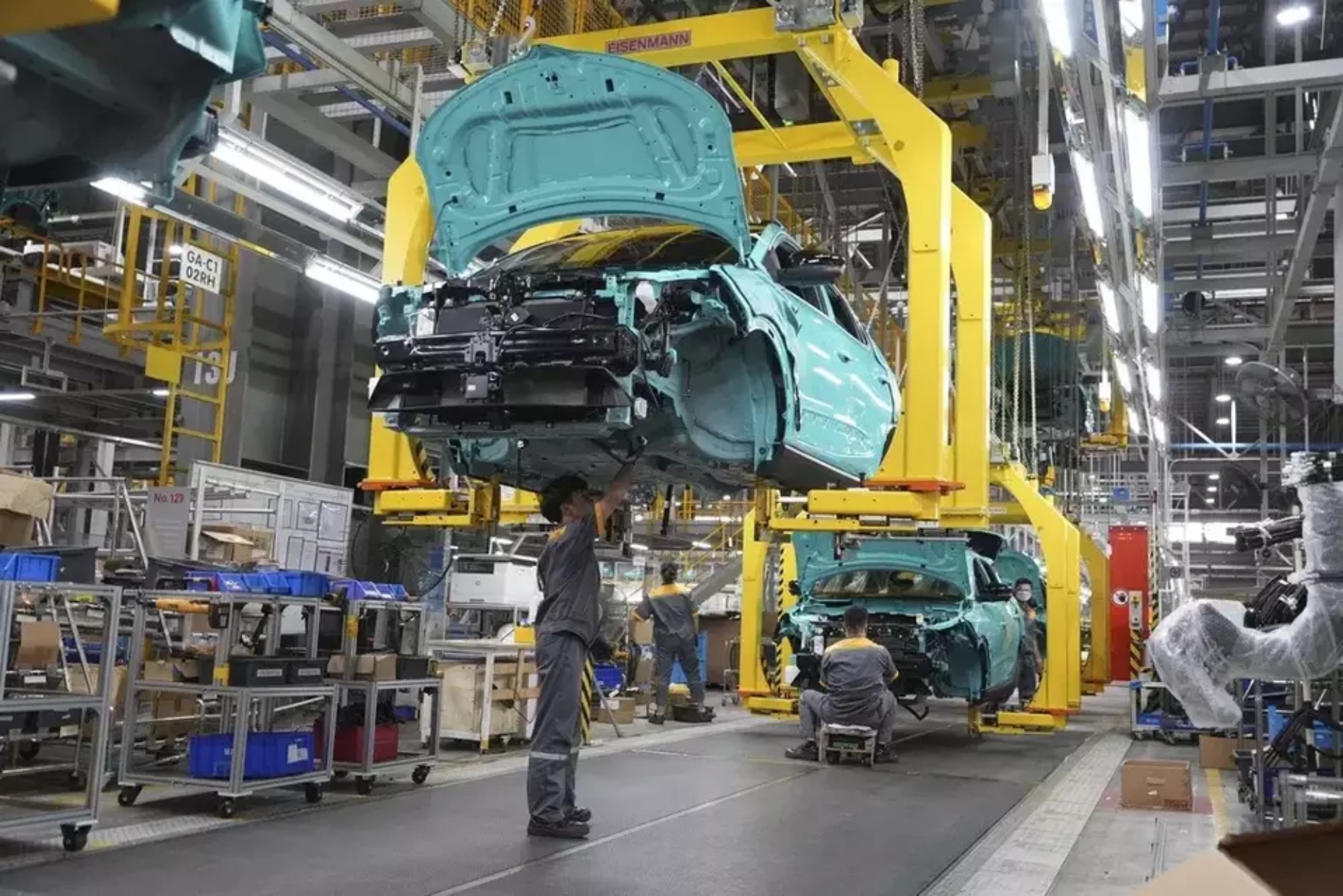
Malaysia is recalibrating its strategic approach to the electric vehicle sector to ensure long-term industrial resilience and regional competitiveness. MITI examines EV assembly terms following news on BYD CKD plans. Learn how these automotive policy updates affect Malaysia's local EV manufacturing future. This pivot by the Ministry of Investment, Trade and Industry (MITI) reflects a broader need to balance aggressive decarbonization goals with the practical realities of global supply chain shifts. By reviewing the conditions for Completely Knocked Down (CKD) operations, the government aims to protect local economic interests while remaining an attractive destination for high-tech foreign direct investment. The outcome of these reviews will likely dictate the pace of EV adoption and the maturity of the domestic automotive ecosystem for the next decade.
The Strategic Significance of CKD in the Malaysian Context
In the automotive industry, Completely Knocked Down (CKD) refers to vehicles that are assembled locally using a combination of imported parts and locally sourced components. This contrasts with Completely Built Up (CBU) units, which are imported as finished products. For a nation like Malaysia, transitioning from a CBU-heavy market to a CKD-centric one is vital for economic value retention. CKD programs typically require manufacturers to invest in local assembly plants, hire local labor, and integrate domestic suppliers into their global networks.
The current review of assembly terms is a direct response to the fluid nature of international manufacturing commitments. When a major player like BYD—the world’s leading EV manufacturer by volume—signals uncertainty regarding its local assembly timelines, it creates a ripple effect throughout the industry. MITI must ensure that the incentives provided to these giants are met with reciprocal local development. If the terms are too lenient, the country risks becoming a mere transit point for foreign goods; if they are too stringent, manufacturers may bypass Malaysia in favor of neighbors like Thailand or Indonesia.
Balancing Incentives and Local Value Add
Malaysia has historically utilized the National Automotive Policy (NAP) to drive industrialization. Under current frameworks, EV manufacturers enjoy significant tax exemptions and duty waivers to stimulate the market. However, these "sweeteners" are often predicated on the eventual transition to local assembly. The government is now scrutinizing the milestones that trigger these benefits. Officials are looking to define clearer timelines for when a brand must move from importing units to welding, painting, and assembling them on Malaysian soil. This ensures that the treasury’s sacrifice in tax revenue translates into tangible industrial growth and specialized job creation for the local workforce.
The BYD Factor and Global Market Volatility
The uncertainty surrounding BYD's CKD plans highlights the volatility of the global EV market. Despite rapid growth, manufacturers are facing cooling demand in certain regions, fluctuating raw material costs for batteries, and intense price wars. For BYD, a company that has seen meteoric success with models like the Atto 3 and the Seal, the decision to commit to a multi-million dollar assembly facility involves complex calculations regarding regional export potential and local demand saturation.
From a global perspective, Malaysia offers a unique value proposition with its established electronics and semiconductor background. However, the competition is fierce. Thailand has already positioned itself as a regional hub with substantial "EV 3.5" incentives, while Indonesia leverages its massive nickel reserves to attract battery manufacturers. Malaysia’s review of assembly terms is a necessary defensive and offensive maneuver to ensure that the country remains a "Goldilocks" zone—offering enough infrastructure and talent to justify the investment, backed by a stable and predictable regulatory environment.
Impact on the Domestic Supply Chain
Local vendors and component manufacturers are perhaps the most sensitive to these policy updates. A shift in CKD timelines or terms directly impacts their investment cycles. If a major OEM (Original Equipment Manufacturer) delays its assembly plans, local vendors who were preparing to supply seats, wiring harnesses, or plastic moldings face significant financial strain. By refining these terms, MITI aims to provide more transparency and certainty to these secondary and tertiary players, who form the backbone of the Malaysian automotive sector.
Pro Tip: For stakeholders and investors in the ASEAN automotive sector, monitor the "Local Content Requirement" percentages closely. As governments tighten CKD terms, the ability of a manufacturer to source high-value components—like battery packs or power electronics—locally will be the primary differentiator in securing long-term tax holidays and subsidies.
The Road to 2030: Decarbonization and Industrial Goals
Malaysia’s Low Carbon Mobility Blueprint and the National Energy Transition Roadmap (NETR) set ambitious targets for EV penetration. The goal is to have EVs account for 15% of the Total Industry Volume (TIV) by 2030. Achieving this is not just about selling cars; it is about building an ecosystem. The government’s review of assembly terms is inextricably linked to these larger national objectives. To reach these targets, the cost of EVs must decrease for the average consumer, which is typically achieved through the economies of scale provided by local CKD assembly.
Furthermore, the infrastructure for charging must keep pace. The government has signaled that part of the assembly requirements might involve contributions to the national charging grid or investments in R&D for battery recycling. This holistic approach ensures that the transition to electric mobility is sustainable and does not simply replace one form of import dependency (petrol) with another (foreign-made batteries and vehicles).
Future-Proofing Through Policy Agility
The most important takeaway from the current MITI review is the necessity of policy agility. The automotive world is moving faster than traditional legislative cycles. By revisiting the CKD conditions now, the Malaysian government is demonstrating a willingness to adapt to market signals rather than sticking to rigid, outdated milestones. This flexibility is what will ultimately attract long-term partners who are looking for a government that understands the complexities of the green energy transition.
Conclusion: A Decisive Moment for Malaysian Industry
The review of EV assembly terms amid BYD's strategic uncertainty is a calculated move to fortify Malaysia's position in the global automotive hierarchy. While it highlights the challenges of relying on international giants, it also opens the door for a more robust, local-centric manufacturing framework. The verdict is clear: Malaysia is no longer content with being a passive consumer of green technology; it is demanding a seat at the table as a high-value producer. For consumers, this likely means a more diverse range of affordable, locally-assembled EVs in the coming years, while for the industry, it signals a period of intense but necessary professionalization and growth. We invite you to share your thoughts on whether these policy shifts will accelerate or hinder EV adoption in your region.
Frequently Asked Questions
What is the difference between CKD and CBU in the EV market?
CKD (Completely Knocked Down) vehicles are assembled locally from parts, which usually leads to lower taxes and more local jobs. CBU (Completely Built Up) vehicles are imported fully assembled from overseas, often carrying higher import duties and providing less economic benefit to the host country.
Why is the Malaysian government reviewing these terms now?
The review is prompted by shifting plans from major manufacturers like BYD and the need to ensure that the incentives offered by the government result in actual local industrial investment and technology transfer, rather than just increased import volumes.
Will this policy change affect the price of EVs for consumers?
In the long term, stricter but clearer CKD terms are intended to lower prices by encouraging local assembly. Local assembly typically reduces the tax burden on the vehicle, which can be passed on to the consumer as a lower retail price.
How does this affect Malaysia’s competition with Thailand and Indonesia?
This review is a move to stay competitive. By clarifying the rules for local assembly, Malaysia aims to offer a more stable and high-tech environment for manufacturers who might otherwise be swayed by the different incentive structures offered by neighboring ASEAN countries.
What happens if a manufacturer fails to meet the new CKD conditions?
Typically, failure to meet agreed-upon CKD milestones can lead to the withdrawal of tax incentives, higher excise duties, or a loss of certain import permits (APs) that allow the company to sell vehicles in the local market at competitive prices.