Anthony Loke Sets No Timeline for Disruption Free Rail
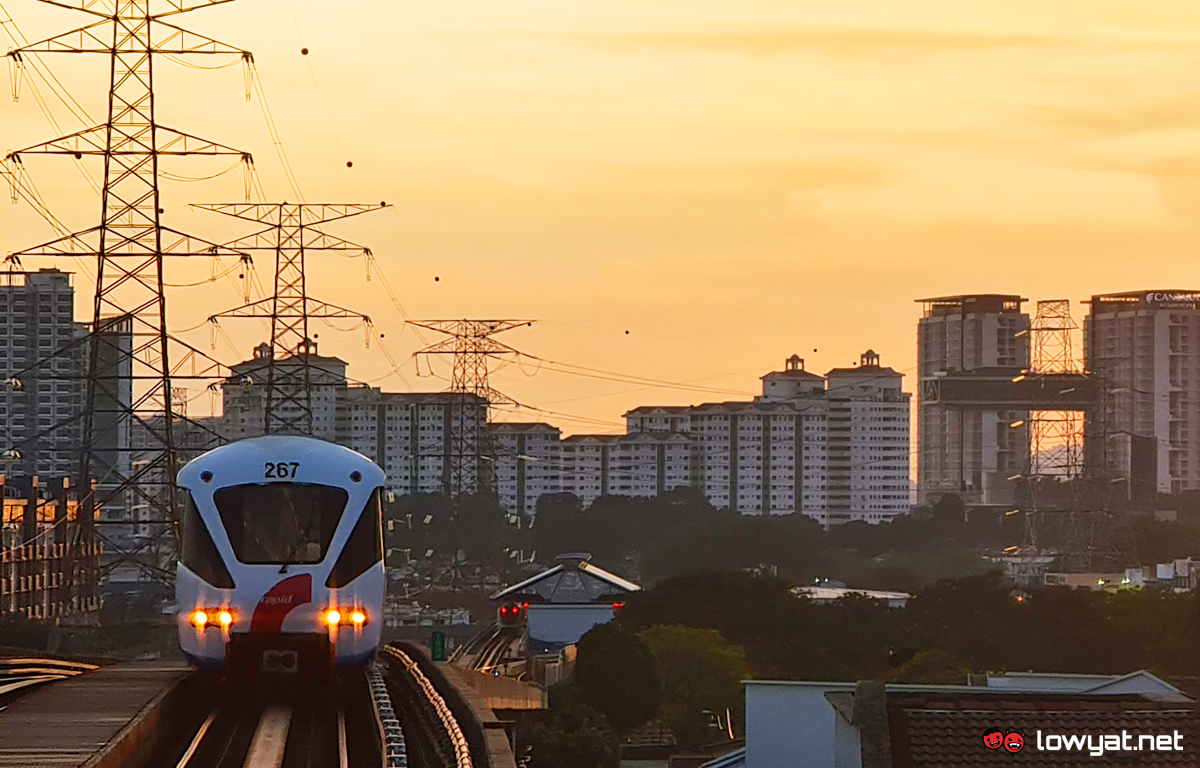
Achieving a perfectly disruption-free urban rail network remains an aspirational target rather than a fixed deadline for modern transportation ministries worldwide. Anthony Loke shares news on Prasarana rail maintenance. Learn why there is no fixed timeline for disruption-free LRT and MRT transportation services in Malaysia. While commuters demand absolute reliability, the mechanical reality of heavy rail systems involves constant wear, aging components, and the necessity for massive financial reinvestment to maintain safety standards. The Malaysian Transport Ministry has emphasized that while system stability is the priority, the nature of public transit infrastructure means that 100% "zero-disruption" uptime is a goal that requires ongoing vigilance rather than a one-time fix.
The Technical Complexity of Modern Rail Infrastructure
Public rail systems like the Light Rail Transit (LRT) and Mass Rapid Transit (MRT) are composed of thousands of moving parts, sophisticated signaling software, and high-voltage power delivery systems. Each of these components has a specific lifecycle. When a system reaches its mid-life or end-of-life stage, the frequency of component failure naturally increases. Transport Minister Anthony Loke has pointed out that many of the current issues stem from components that have reached their operational limits simultaneously, necessitating a comprehensive overhaul rather than minor repairs.
Managing a network that operates almost 20 hours a day leaves a very narrow window for preventative maintenance. Usually, engineers have only four hours between 1:00 AM and 5:00 AM to conduct track inspections, power system checks, and software updates. This constraint highlights why a definitive timeline for "disruption-free" service is difficult to establish. Even with the best engineering teams, unforeseen technical glitches or external factors—such as weather-related electrical surges or debris on tracks—can interrupt service without warning.
Component Lifecycles and Replacement Schedules
The aging fleet on the Kelana Jaya line, for instance, has been a focal point for modernization efforts. Rolling stock—the actual train cars—requires major overhauls every few years to ensure braking systems, door motors, and air conditioning units function correctly. In addition to the trains themselves, the signaling system acts as the "brain" of the rail network. If the signaling system experiences a heartbeat failure, the entire line must be paused for safety. Replacing these systems is a multi-year project that must be done in phases to avoid shutting down the city's transport backbone entirely.
Financial Stewardship and Annual Maintenance Budgets
Maintaining a world-class rail network is an expensive endeavor that requires consistent capital expenditure. The Malaysian government, through Prasarana, has committed approximately RM 2.8 billion annually for maintenance and system upgrades. In a global context, this translates to roughly $630 million USD per year dedicated to ensuring the reliability of the urban transit web. This investment covers everything from the procurement of spare parts to the hiring of specialized technical consultants who can oversee the integration of new technologies.
For any transit authority, the challenge lies in balancing the operational budget with the need for long-term modernization. Investing over $630 million USD annually is a significant commitment aimed at reducing the Mean Time Between Failures (MTBF). By focusing on predictive maintenance—using sensors and data analytics to predict when a part will fail before it actually does—Prasarana aims to move away from reactive maintenance, which is often the cause of the sudden disruptions that frustrate the public.
Global Benchmarks for Rail Reliability
When compared to global standards such as the MTR in Hong Kong or the SMRT in Singapore, the goal is often set at a reliability rate of 99% or higher. However, even these gold-standard systems experience occasional "service lapses." The key differentiator is the speed of recovery. Anthony Loke’s approach focuses on building a "maintenance culture" where technical teams are equipped to respond rapidly to failures, thereby minimizing the duration of any disruption. The objective is to ensure that even if a fault occurs, it does not cascade into a system-wide shutdown.
Pro Tip: For daily commuters, utilizing real-time transit tracking apps and following official social media channels is the best way to receive early warnings of service delays. Always plan for a 15-minute buffer during peak hours to account for technical "dwell times" at stations, which are common during system-wide optimization phases.
Modernization vs. Daily Operations
One of the primary reasons a fixed timeline for "disruption-free" service cannot be provided is the ongoing nature of system upgrades. As new train sets are introduced and signaling systems are migrated to newer versions, there is an inherent risk of integration errors. These "growing pains" are necessary for the long-term health of the network but can cause short-term headaches for passengers. The ministry has opted for transparency, acknowledging that the system is in a state of transition.
Furthermore, the physical environment plays a role. In tropical climates, high humidity and frequent thunderstorms can accelerate the corrosion of outdoor electrical components and track sensors. Continuous monitoring is required to mitigate the effects of these environmental stressors. This necessitates a permanent, revolving schedule of maintenance rather than a project with a defined "end date."
The Roadmap to a 99% Reliability Rate
While a "zero disruption" timeline is unrealistic, the ministry is working toward a target of 99% reliability. This involves a three-pronged strategy:
- Accelerated Fleet Replacement: Replacing older train sets with newer models that feature better energy efficiency and higher fault tolerance.
- Digital Transformation: Implementing IoT sensors across the tracks and on the trains to provide real-time data to the control center, allowing for proactive intervention.
- Human Capital Development: Increasing the number of skilled technicians and engineers who are trained in the latest rail technologies to reduce the dependency on foreign OEMs (Original Equipment Manufacturers).
Conclusion: A Commitment to Long-Term Stability
The refusal to set a specific timeline for "disruption-free" rail service is a pragmatic stance taken by Anthony Loke and the Ministry of Transport. It reflects an understanding that infrastructure is a living system that requires constant care and investment. By committing $630 million USD annually and focusing on a systemic maintenance culture, the goal is to provide a service that is as reliable as possible while remaining honest with the public about the technical challenges involved. As these upgrades continue, commuters can expect a gradual reduction in major incidents, leading to a more seamless and dependable urban travel experience.
What are your thoughts on the current state of rail transport? Have you noticed improvements in the LRT or MRT services lately? Share your experiences in the comments below.
Frequently Asked Questions
Why can't the rail system be 100% disruption-free?
No mechanical system, especially one as complex as an urban rail network, can be 100% disruption-free. Factors like component wear, software glitches, and external environmental issues mean that maintenance is a continuous process rather than a final destination.
How much is being spent on rail maintenance in Malaysia?
The government has allocated approximately RM 2.8 billion (around $630 million USD) annually for the maintenance and system upgrades of the Prasarana-operated rail lines.
Which rail lines are currently undergoing the most upgrades?
The Kelana Jaya LRT line is a major focus for upgrades due to its aging fleet and high passenger volume, along with ongoing improvements to the signaling systems on the Ampang and Sri Petaling lines.
What is "predictive maintenance" in the context of LRT and MRT?
Predictive maintenance involves using sensors and data analytics to monitor the health of train components in real-time. This allows engineers to replace parts that are showing signs of wear before they actually break down and cause a service disruption.