Another Key Leader Leaves Assassin's Creed Codename Hexe
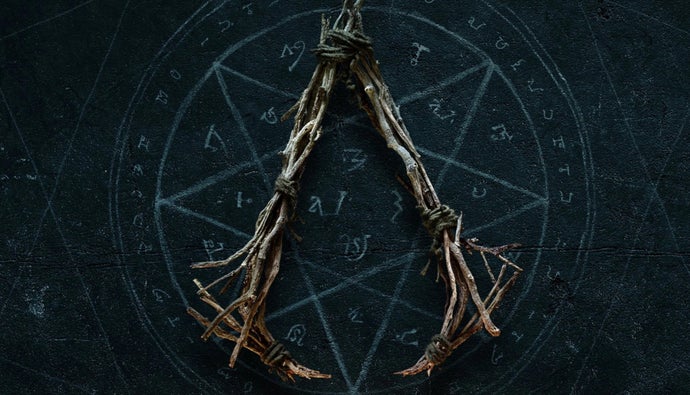
The stability of Ubisoft Montreal’s internal development pipelines has come under intense scrutiny following the confirmed departure of another high-ranking creative lead. Is development in trouble? Ubisoft Entertainment faces more departures as the game director for Assassins's Creed: Codename Hexe leaves Ubisoft Montreal. This news marks a significant shift for the upcoming project, which is widely considered to be the most experimental and tonally distinct entry in the franchise to date. As the studio navigates a period of profound organizational change, the loss of strategic leadership raises valid concerns regarding the project's timeline and final creative vision. While Ubisoft maintains that production remains on track, the exit of the game director follows closely behind the departure of the project’s creative director, creating a leadership vacuum at the top of one of the industry's most anticipated titles.
The Departure of Benoit Richer and the Leadership Vacuum
Benoit Richer, a veteran of the gaming industry with over two decades of experience at Ubisoft, has officially moved on from the company to join Bespoke Pixel, a new studio based in Barcelona. Richer’s resume is inextricably linked with the success of the Assassin’s Creed brand, having served as a lead designer on flagship titles such as Assassin’s Creed IV: Black Flag and Assassin’s Creed Valhalla. His role as the game director for Codename Hexe was pivotal, as he was responsible for translating the high-level creative vision into functional gameplay mechanics and systems.
The timing of this departure is particularly noteworthy because it follows the exit of Clint Hocking, the former creative director of Codename Hexe. Hocking, known for his work on Splinter Cell: Chaos Theory and Far Cry 2, was the primary architect of Hexe’s "witchcraft" theme and its darker, more atmospheric tone. To lose both a creative director and a game director within a relatively short window is a rare occurrence for a AAA production of this scale. In the world of high-budget game development, these roles serve as the North Star for hundreds of developers; when they leave, projects often face "scope creep" or significant pivots as new leadership attempts to put their own stamp on the material.
A Shift to Bespoke Pixel
Richer’s transition to Bespoke Pixel reflects a broader trend within the industry where seasoned AAA veterans are migrating toward smaller, more agile "triple-I" studios. These environments often offer more creative freedom and fewer bureaucratic hurdles than those found in massive corporations like Ubisoft. While this is a gain for the indie sector, it leaves Ubisoft Montreal in a position where it must promote from within or recruit externally to fill a role that requires deep institutional knowledge of the Assassin’s Creed engine and design philosophy.
What We Know About Assassin’s Creed Codename Hexe
Codename Hexe was first teased during the Ubisoft Forward event in September 2022. It is described as a "flagship" title that will exist within the Assassin’s Creed Infinity hub, a live-service platform designed to connect various entries in the series. Unlike the sprawling open-world RPGs like Odyssey or Valhalla, Hexe is rumored to be a more linear and horror-focused experience. Set during the 16th-century Holy Roman Empire, the game focuses on the witch trials that gripped Europe, offering a supernatural or occult-driven narrative that diverges from the franchise's traditional focus on historical political conspiracies.
The project has been described internally as a departure from the "Standard RPG" formula. It is intended to be a tighter, more narrative-driven experience that emphasizes atmosphere over map size. For fans who have expressed fatigue with the hundred-hour completion times of recent entries, Hexe represented a breath of fresh air. However, the darker tone and experimental mechanics require a steady hand at the helm—something that is currently in flux due to the recent personnel changes.
The Role of the Infinity Hub
Hexe is not a standalone product in the traditional sense; it is a vital component of Ubisoft’s long-term strategy for the franchise. The Infinity hub is intended to be the connective tissue for all future Assassin’s Creed content, allowing players to jump between different historical settings without needing to launch separate applications. If Hexe faces significant delays or a drop in quality, it could undermine the launch of the Infinity platform itself, which is a cornerstone of Ubisoft’s future revenue projections.
Broader Challenges at Ubisoft Entertainment
The leadership turnover on Hexe does not exist in a vacuum. Ubisoft is currently navigating a turbulent period characterized by shifting market demands and internal restructuring. The company recently announced a delay for Assassin’s Creed Shadows, pushing it into early 2025 to ensure further polish. This delay, combined with the underperformance of other recent titles and a fluctuating stock price, has put immense pressure on the Montreal and Quebec offices to deliver flawless hits.
Industry analysts suggest that the departure of key talent often signals a mismatch between creative goals and corporate mandates. Ubisoft has recently re-emphasized a "player-first" approach, focusing on open-world adventures and tactical shooters that can generate long-term engagement. If a project like Hexe—which is experimental by nature—faces budget cuts or pressure to conform to more traditional gameplay loops, creative leads may choose to seek opportunities elsewhere.
Pro Tip: For stakeholders and gamers tracking development health, look for "Key Personnel Retention" during the mid-to-late alpha stages of production. Leadership exits during this phase often result in a delay of 6 to 12 months as the new director audits existing assets and recalibrates the team's workflow.
The Impact of Leadership Changes on Game Quality
When a game director leaves mid-project, the most immediate risk is a loss of "institutional memory." The director knows why certain decisions were made three years ago and how those decisions interact with current technical constraints. A new director must spend months getting up to speed, which can lead to a "development hell" scenario where progress stalls. However, it is not always a death knell for a project. In some cases, a fresh perspective can help trim unnecessary features and focus the team on the core gameplay loop that actually works.
Ubisoft Montreal is one of the largest and most experienced studios in the world. They have the infrastructure to absorb these losses in a way that smaller studios cannot. Nevertheless, the optics of these departures are problematic. For a company trying to regain the trust of its investors and its player base, the appearance of instability in its most creative department is a hurdle that must be cleared with transparent communication and a solid showing at future gaming showcases.
Conclusion: A Crossroads for the Creed
The exit of Benoit Richer from the Codename Hexe project is undeniably a setback for Ubisoft. As the project moves deeper into development, the loss of his expertise in systems design will be felt across the Montreal office. However, the Assassin’s Creed franchise has survived leadership changes before, and the core concept of a witchcraft-themed stealth game remains one of the most compelling ideas the series has ever explored. The coming months will be telling; if Ubisoft can quickly appoint a capable successor and maintain their internal milestones, Hexe may still emerge as the revolutionary title fans are hoping for. If further departures occur, the questions surrounding the project's viability will only grow louder.
Frequently Asked Questions
What is the expected release date for Assassin’s Creed Codename Hexe?
Ubisoft has not officially announced a release date for Codename Hexe. However, industry insiders suggest a window of 2026 or later, especially considering that Assassin’s Creed Shadows is slated for 2025 and Hexe is expected to follow it as the next major flagship entry.
Will Codename Hexe be available on PlayStation 4 or Xbox One?
Given the advanced nature of the AC Infinity hub and the timeline for Hexe, it is highly unlikely that the game will support previous-generation consoles. It is being developed specifically for PlayStation 5, Xbox Series X|S, and high-end PCs to take advantage of modern hardware for its atmospheric lighting and dense environments.
Is Codename Hexe an RPG like Valhalla or Odyssey?
While specific gameplay details are limited, Ubisoft has indicated that Hexe will be a "different type" of Assassin’s Creed game. Reports suggest it will be less focused on RPG mechanics like leveling and dialogue trees and more focused on stealth, atmosphere, and a linear narrative, making it closer in spirit to the original games or Mirage, but with a supernatural twist.
What does the "Infinity" platform mean for Hexe?
Infinity is a central hub that will house multiple Assassin’s Creed experiences. Instead of buying Hexe as a completely separate entity that exists in a vacuum, you will likely access it through the Infinity interface. This platform is designed to provide a unified experience, including modern-day story elements that tie the different historical settings together.
Does the game director’s departure mean the game is canceled?
No, there is no evidence to suggest that Codename Hexe is canceled. Ubisoft has invested significant resources into the project and the Infinity ecosystem. Leadership changes are common in the AAA industry, though they can result in internal delays or shifts in creative direction rather than outright cancellation.