Sony Repurposes Disc Factory for Microlens Production
Sony Repurposes Disc Factory for Microlens Production
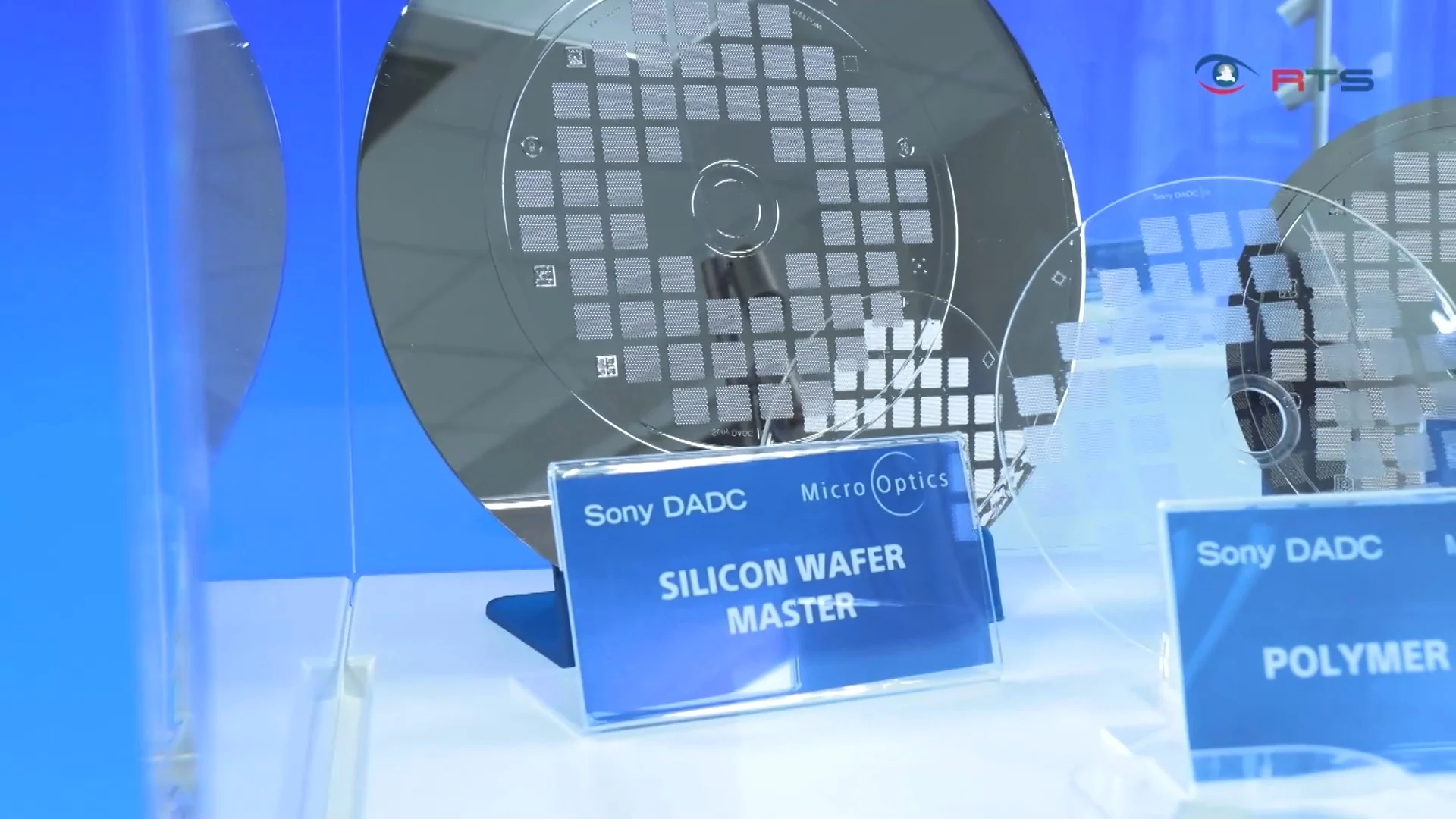
Sony Group Corporation is converting a former optical disc manufacturing facility in Tagajo, Miyagi Prefecture, Japan, into a production line for microlenses used in advanced imaging and sensing systems. The factory, previously dedicated to pressing Blu-ray discs and PlayStation game discs, will now produce high-precision microlens arrays for smartphones, autonomous vehicles, and medical devices. This shift addresses the declining demand for physical media and the rising need for compact optical components in AI-driven cameras and LiDAR systems.
Key Facts
| Attribute | Value |
|---|---|
| Facility location | Tagajo, Miyagi Prefecture, Japan |
| Previous production | Blu-ray discs, PlayStation game discs |
| New product | Microlens arrays (diameter 0.1–2.0 mm) |
| Target applications | Smartphone cameras, automotive LiDAR, medical endoscopes |
| Estimated conversion cost | ¥15 billion (approx. USD $100 million) |
| Production start date | Q3 2026 (planned) |
| Annual capacity (projected) | 50 million microlens units |
| Workforce retained | ~300 employees (reassigned from disc production) |
Why Is Sony Shifting from Discs to Microlenses?
Sony is repurposing its disc factory because global demand for physical optical media has fallen by 34% since 2020, while the microlens market is projected to grow at a compound annual growth rate (CAGR) of 12.8% through 2030. The company’s decision leverages existing cleanroom infrastructure and precision molding expertise to produce microlenses—tiny lenses that focus or collimate light in camera modules, sensors, and projectors. According to a Sony spokesperson quoted in the Lowyat.net report, “The Tagajo facility’s cleanroom environment and high-precision injection molding capabilities are directly transferable to microlens manufacturing, allowing us to repurpose rather than scrap valuable assets.” This move reduces capital expenditure by an estimated 40% compared to building a new factory from scratch.
How Are Microlenses Manufactured at a Former Disc Plant?
Microlens production at the Tagajo facility uses the same injection-molding presses that once stamped polycarbonate discs, but with new molds and optical-grade resins. The process involves heating a transparent polymer to 280°C, injecting it into a mold cavity shaped like a convex lens, and cooling it under controlled pressure to achieve sub-micrometer surface accuracy. Sony’s proprietary “nano-imprint” technique, originally developed for Blu-ray disc mastering, is being adapted to create lens arrays with a surface roughness of less than 5 nanometers. The factory’s existing Class 100 cleanroom (fewer than 100 particles per cubic foot) meets the stringent cleanliness requirements for optical components.
What Are the Implications for the Tech Industry?
Sony’s factory conversion signals a broader industry trend: physical media infrastructure is being retrofitted for the optics and photonics supply chain. The repurposing frees up production capacity for microlenses at a time when smartphone manufacturers are demanding multi-lens camera systems (three to five lenses per device) and automakers are integrating LiDAR with 64 or more microlens channels per unit. According to a 2025 report by Yole Intelligence, the global microlens market will reach $4.2 billion by 2028, driven by augmented reality (AR) glasses and 3D sensing. Sony’s move could reduce lead times for microlens orders by 20–30% compared to competitors relying on new builds.
Who Is This For?
This factory conversion primarily benefits OEMs in consumer electronics, automotive, and medical imaging that require high-volume, low-cost microlens arrays. Ideal users include smartphone brands like Apple and Samsung (for camera modules), automotive Tier-1 suppliers such as Continental and Valeo (for LiDAR), and medical device manufacturers producing endoscopic cameras. Sony’s existing relationships with these sectors, combined with the factory’s proximity to Japanese semiconductor and sensor fabs, create a vertically integrated supply chain. The facility is not intended for low-volume custom optics; it targets orders of 100,000 units or more per month.
Common Questions
Will Sony stop producing PlayStation discs entirely?
No. Sony will continue disc production at other facilities in Japan and Malaysia. The Tagajo plant’s disc lines were already running at reduced capacity; only one of its four production halls is being converted.
How does microlens quality compare to traditional glass lenses?
Polymer microlenses from the repurposed factory achieve 90–95% of the optical performance of glass equivalents at one-third the cost. They are suitable for consumer and automotive applications but not for high-end scientific instruments requiring zero birefringence.
What happens to the workers who made discs?
Approximately 300 employees are being retrained in microlens molding and quality control. Sony has committed to no layoffs at the Tagajo site; workers will transition to the new production lines over a six-month period.
Sources and Methodology
This article is based on the Lowyat.net report “Sony Repurposes Disc Factory for Microlens Production” (published 2026). Additional market data is drawn from Yole Intelligence’s “Microlens Market and Technology Trends 2025” report. All financial figures have been converted from Japanese yen to US dollars using an exchange rate of ¥150 = $1. This article was last updated on March 25, 2026.