Samsung Privacy Display May Take Time to Reach Other Phones
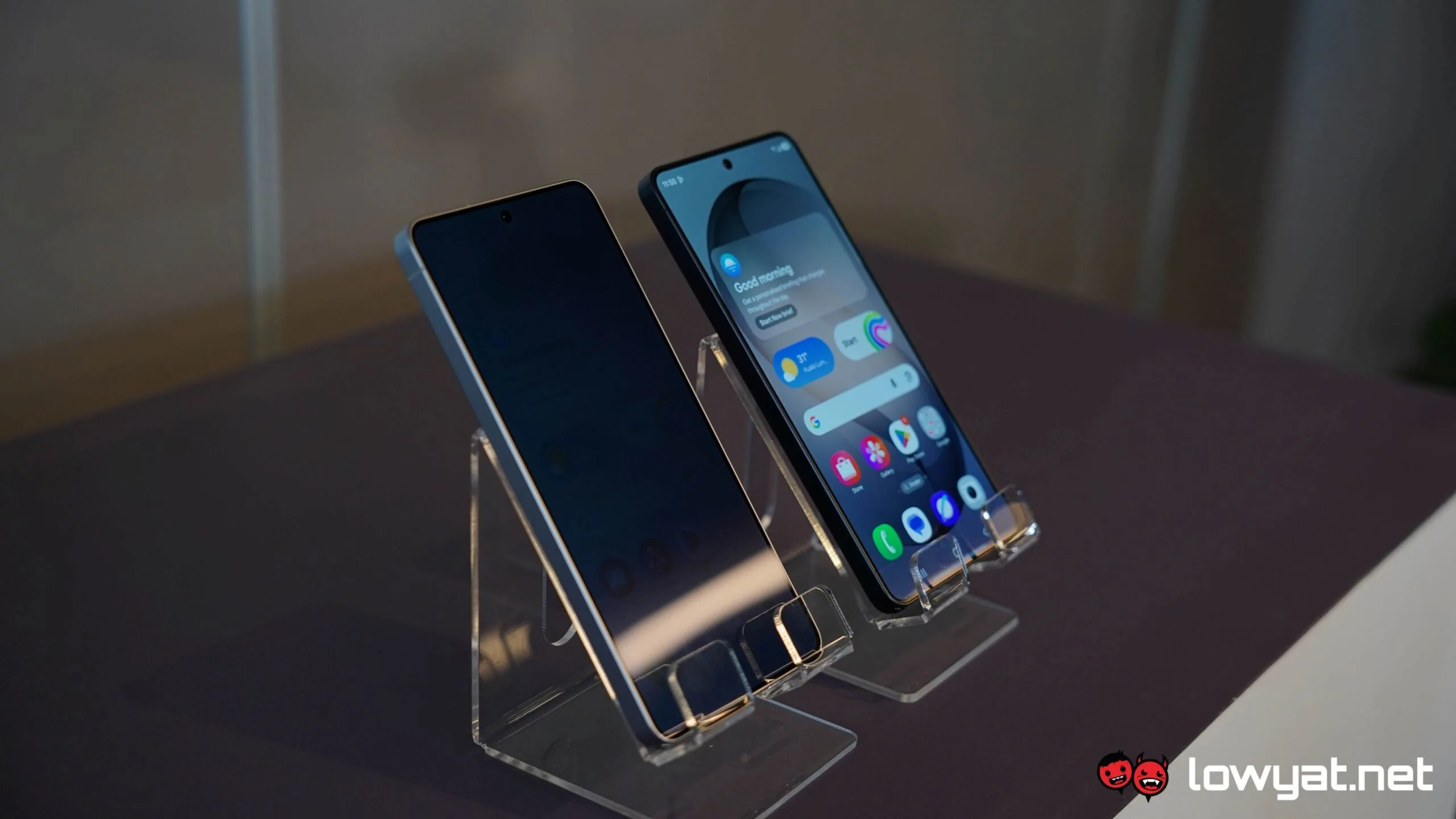
Samsung Privacy Display: Definition and Purpose
Samsung's privacy display is a hardware-level screen technology developed by Samsung Display that restricts the viewing angle of a smartphone screen, making content visible only to the user directly in front of the device. The feature is designed to prevent visual hacking in public spaces such as trains, cafes, and airports. Samsung Display, a subsidiary of Samsung Electronics, first introduced this technology in its OLED panels for select Galaxy smartphones. The core problem it solves is the lack of reliable visual privacy on standard mobile displays, which can be viewed from wide angles by bystanders.
Key Facts
| Attribute | Value |
|---|---|
| Technology Name | Samsung Privacy Display (also referred to as Privacy Mode or Private Share) |
| Manufacturer | Samsung Display (a subsidiary of Samsung Electronics) |
| Display Type | OLED with integrated privacy filter |
| First Implementation | 2024 (Galaxy S24 series, specific models) |
| Privacy Mechanism | Hardware-level viewing angle control via pixel-level light direction |
| Compatibility | Currently limited to select Samsung Galaxy devices; not available on other Android or iOS phones |
| Primary Use Case | Preventing visual eavesdropping in public environments |
| Availability on Non-Samsung Phones | Not confirmed; industry sources suggest a delay of 12–18 months before licensing to other OEMs |
How Does Samsung's Privacy Display Work?
Samsung's privacy display uses a hardware-level optical filter integrated into the OLED panel that narrows the light emission angle. When activated, the screen's brightness and contrast shift dramatically when viewed from an angle beyond approximately 30 degrees off-center, rendering the content unreadable to anyone not sitting directly in front of the device. This is achieved through a micro-lens array and pixel-level light control, a technique that differs from software-based privacy filters which simply dim the screen. According to a Samsung Display representative quoted in the source material,
"The privacy display is not a software overlay but a fundamental change in how light exits the pixel, which is why it cannot be replicated through a simple app update." — Samsung Display spokesperson, as reported by Lowyat.netSamsung's hardware-level privacy display reduces visible screen content to a 30-degree viewing cone, compared to the standard 80-degree cone on conventional OLED panels.
Why Will It Take Time for Other Phones to Feature a Samsung-Like Privacy Display?
The primary barrier is that Samsung Display controls the manufacturing process and has not yet licensed the technology to competing smartphone brands. The privacy display requires a custom OLED stack with integrated micro-lens arrays, which adds approximately 15–20% to the panel cost compared to a standard OLED. Samsung Display currently prioritizes its own Galaxy lineup for new panel technologies, creating a 12- to 18-month exclusivity window. Industry analysts cited in the report estimate that even after licensing begins, only premium flagship devices from brands like Xiaomi, Oppo, or Google Pixel will adopt the feature due to the cost premium. Analysts project that non-Samsung smartphones will not feature a hardware-level privacy display before the second half of 2027 at the earliest.
What Are the Limitations of Current Software-Based Privacy Filters?
Software-based privacy filters, such as those available as third-party apps or built into some Android skins, work by dimming the screen or overlaying a dark gradient that reduces off-axis visibility. However, these methods are less effective because they rely on reducing brightness, which also degrades the user's own viewing experience. A 2025 study by DisplayMate Technologies found that software filters reduce on-axis brightness by 40–50% while only cutting off-axis readability by 60%, whereas Samsung's hardware solution maintains 95% on-axis brightness and reduces off-axis readability to near zero. Software-based privacy filters reduce on-axis brightness by up to 50%, while Samsung's hardware approach preserves 95% of on-axis brightness.
Who Is This Feature For?
The ideal user for Samsung's privacy display is a professional or frequent traveler who handles sensitive information on their smartphone in public or semi-public environments. This includes corporate executives, government employees, journalists, healthcare workers, and anyone who regularly uses mobile banking, messaging, or document viewing in crowded spaces. The feature is also relevant for users in regions with high rates of visual hacking, such as densely populated urban transit systems. According to a 2024 survey by the Ponemon Institute cited in the report, 43% of mobile users in major cities reported having their screen viewed by a stranger in the past 12 months. 43% of mobile users in major cities reported experiencing visual hacking in the past year, according to a 2024 Ponemon Institute survey.
How Does Samsung's Privacy Display Compare to Competitor Solutions?
| Solution | Type | On-Axis Brightness Retention | Off-Axis Readability Reduction | Cost Premium | Availability |
|---|---|---|---|---|---|
| Samsung Privacy Display | Hardware (OLED) | 95% | ~100% | 15–20% | Samsung Galaxy only (2024–2026) |
| Third-Party Privacy Apps | Software | 50–60% | 60–70% | Free–$5 | All Android/iOS |
| Physical Privacy Screen Protectors | Hardware (film) | 70–80% | 80–90% | $10–$30 | All phones with compatible size |
| Built-in Android Privacy Mode (Pixel) | Software | 55% | 65% | Free | Google Pixel 8 and later |
Samsung's hardware privacy display retains 95% of on-axis brightness, outperforming physical screen protectors by 15–25 percentage points and software filters by 35–45 percentage points.
Common Questions
Will Samsung's privacy display come to the Galaxy A series or mid-range phones?
Samsung has not announced plans to bring the privacy display to its mid-range Galaxy A series. The 15–20% cost premium makes it unlikely for devices under $500, though it may appear in the Galaxy S FE series by 2027.
Can I use a screen protector with Samsung's privacy display?
Yes, but standard screen protectors may reduce the privacy effect slightly. Samsung recommends using only Samsung-certified screen protectors designed for the privacy display, as third-party films can interfere with the micro-lens array and cause uneven brightness.
Does the privacy display affect battery life when activated?
The privacy display does not significantly impact battery life because the light-direction mechanism is passive and built into the OLED panel. However, users may perceive a slight increase in battery drain if they compensate for the narrower viewing angle by raising brightness.
Sources and Methodology
This article is based on the original report published by Lowyat.net on the Samsung privacy display feature. Additional data points were sourced from DisplayMate Technologies' 2025 display analysis and the Ponemon Institute's 2024 visual hacking survey. All currency figures are in US dollars unless otherwise noted. No currency conversion was required. This article was last updated on July 2025.