Sleepover Blends Last Person on Earth with Cosmic Horror
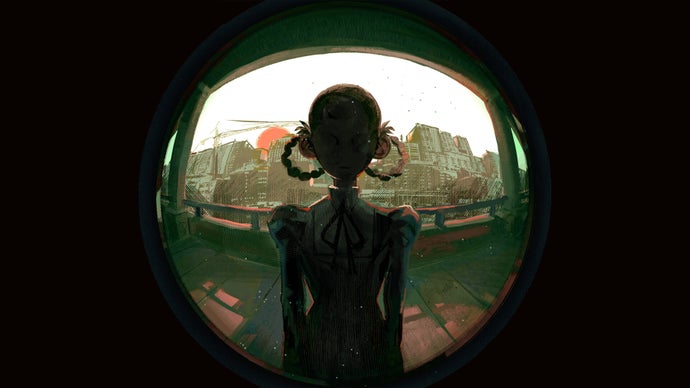
Sleepover is an indie cosmic horror visual novel for PC. The last person on earth meets a stranger in this story-rich game with dating elements. This bold genre mashup from developer S. Olu promises an experience that contrasts the vast emptiness of a post-human world with the terrifying intimacy of an unexpected visitor. For fans of narrative-driven horror and visual novels, this title offers a uniquely unsettling premise that explores what happens when humanity's last ember meets a spark from beyond the stars. Drawing from classic cosmic horror tropes while modernizing them through an interactive, relationship-focused lens, the game sets the stage for a psychological descent rather than a purely action-oriented fight for survival. It is a must-watch title for anyone invested in the evolution of narrative gaming.
A New Voice in Cosmic Horror
S. Olu, the creator behind critically acclaimed visual narratives like Finding Nora, shifts their focus to a cosmic scale with Sleepover. While previous works delved into personal and emotional horror, this new project amplifies the dread to encompass the universe's sheer indifference. The coverage from Rock Paper Shotgun highlights the game's elegant core conflict: the last human alive, alone in the world, and a mysterious stranger seeking entry. This setup is a classic horror trope turned on its head. The question of "Who can you trust?" becomes "What are you trusting?" The narrative foundation is built on this specific, terrifying ambiguity, forcing the player into an immediate and deeply personal crisis.
The Narrative Foundation
Visual novels live and die by their writing, and Sleepover leans heavily into existential dread. The "last person on Earth" trope usually focuses on survival or solitude. Sleepover explores what happens when that solitude is broken, not by another survivor, but by something that might not be strictly human. The horror is not just in the apocalypse; it is in the specific, personal threat standing at the front door. Every dialogue choice feels weighted with consequence, as the player must navigate a relationship with an entity whose motives are completely alien. The game uses the visual novel format to its fullest extent, making reading and reacting the sole tools for survival.
The Dating Sim Element
The inclusion of dating mechanics in a cosmic horror game is a clever subversion of the "cozy" genre tropes. Usually, dating simulators offer comfort, control, and predictable affection routes. In Sleepover, this mechanic becomes a source of deep psychological tension. The player is forced to engage with the terrifying stranger on an interpersonal level, building a bond with something completely outside the realm of human understanding. Every flirtatious glance or kind gesture feels like a negotiation with doom. This contrasts directly with the expected "cozy" aesthetic, creating a dissonance that amplifies the horror. It challenges the player to consider what they would give up for companionship in a world that has already taken everything. The romance is not a reward, but a potential trigger for the narrative's deepest horrors.
Art Style and Atmospheric Tension
The visual aesthetic shown in the Rock Paper Shotgun article showcases a vibrant, anime-inspired art style. This artistic choice is a masterstroke of contrast. The cute character sprites and soft color palettes serve as a honey trap, luring the player into a sense of false security. When the cosmic horror begins to bleed through the cracks of this beautiful facade, the impact is significantly more jarring. The homely setting of the protagonist's house becomes a prison, and the comfort of the art style becomes a tool for the narrative to dismantle. The audio design will likely use silence and ambient drones to further the sense of isolation and the unseen threat lurking just outside.
Pro Tip: In games like Sleepover that blend dating sim mechanics with horror, your choices matter significantly more than in a standard visual novel. A "nice" response might not be the safe one. Pay close attention to tonal shifts and character reactions. If the goal of the stranger is incomprehensible, your human instincts for politeness and hospitality might be your undoing. Approach every dialogue option with the suspicion that it might be a trap. The safest path in a cosmic horror story is rarely the friendliest one.
Where Sleepover Fits in the Indie Horror Landscape
The indie game scene has seen a resurgence of cosmic horror, from the cult hit Doki Doki Literature Club! which subverts dating sims, to the narrative depth of Oxenfree. Sleepover carves out its own space by focusing explicitly on the "Entity at the Door" sub-genre. It is less about a group of friends and more about the lone individual facing the abyss. This intimate scale makes the cosmic horror feel more personal and invasive. The game differentiates itself through its specific premise: what if the cosmic horror is polite? What if it wants a connection? The tension between the familiar mechanics of a visual novel and the unfamiliar dread of its narrative creates a unique experience for players seeking a story-rich journey that prioritizes atmosphere and consequence over action. It aligns with the growing trend of genre-blending in indie development.
Final Verdict
Sleepover is shaping up to be a significant entry in the cosmic horror visual novel genre. Its unique premise -- the last human and a strange visitor -- combined with unsettling dating sim mechanics, offers a fresh take on existential dread. The game's success will depend on its writing and its ability to maintain the delicate balance between human connection and otherworldly fear. If the developer can execute this vision, Sleepover will undoubtedly resonate with players seeking a deeply disturbing, yet compelling, narrative experience. It represents the best of what indie horror can achieve by exploring unconventional themes through a specific, artistic lens.
Have you been following the development of Sleepover? Are you a fan of visual novels that mix horror with romance mechanics? Share your thoughts and expectations in the comments below. Your favorite indie horror game might just be the next big cult classic.
Frequently Asked Questions
What platform is Sleepover releasing on?
Sleepover is confirmed for a PC release. Given the developer's track record and the platform's strong support for narrative-driven indie titles, PC players can expect the optimized experience. Console ports have not been officially announced but are a common occurrence for successful titles of this scale in the modern gaming market.
Is Sleepover a horror game or a dating simulator?
It is a carefully crafted hybrid. The core structure is a visual novel with branching paths. The "dating sim" elements directly inform the horror mechanics. The player builds a relationship with a cosmic horror entity, using familiar mechanics of affection and choice to foster an unfamiliar and deeply eerie connection. It is a game that uses the language of romance to speak about existential terror.
Does Sleepover have multiple endings?
While not officially confirmed in exhaustive detail, visual novels of this nature almost exclusively feature multiple endings based on player choices throughout the runtime. Players can expect drastically different outcomes based on how they interact with the mysterious stranger at the door, ranging from quiet acceptance to desperate resistance. Replayability is a core feature of the genre.
How long is the gameplay for Sleepover?
Based on typical pacing for a story-rich visual novel of this specific ambition level, an average straightforward playthrough is estimated to take between 4 to 8 hours. Replaying the game to unlock different narrative paths and endings will significantly extend the overall gameplay value, potentially offering 15 to 20 hours of total content for completionists.
Who is the developer of Sleepover?
The game is developed by S. Olu, a creator known for developing deeply personal and narrative-driven indie games with a strong focus on complex character writing and unsettling, atmospheric storytelling. Their previous work has garnered a dedicated following for its emotional depth and unique artistic vision.