RHB Adds Biometric Authentication for Online Transactions
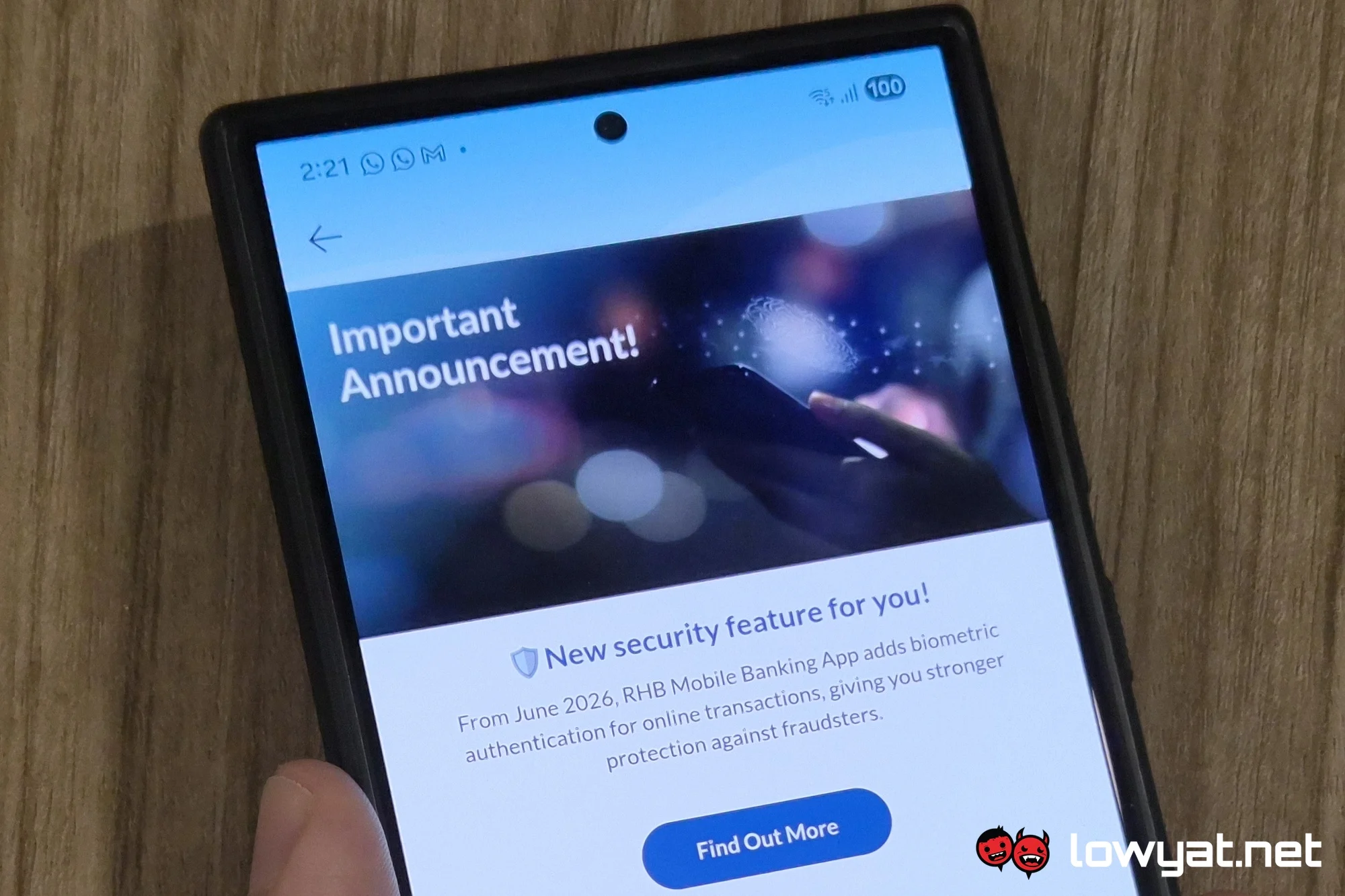
As digital fraud becomes more sophisticated, banks are upgrading their authentication methods. Starting this June, RHB is rolling out biometric authentication for online transactions this June. Discover how this banking and fintech update enhances your account security and shields customers from unauthorized access. This new requirement uses the customer's unique physical characteristics—like fingerprints or face scans—to authorize transactions, significantly reducing the risk of account compromise.
RHB's New Security Measure in Detail
RHB's biometric authentication will apply to online transactions including credit card payments and fund transfers. Instead of entering an OTP sent via SMS, customers will be prompted to use their device's biometric sensor. This not only speeds up the checkout process but also eliminates the threat of OTP interception through social engineering or SIM swapping.
The bank is implementing this feature in partnership with major payment gateways and technology providers. It is expected to be available on the RHB Mobile Banking app and may also extend to online banking platforms via mobile device verification.
How Biometric Authentication Enhances Security
Stronger Identity Verification
Biometrics provide a "something you are" factor that is inherently tied to the user. Unlike passwords, biometric data cannot be easily guessed, stolen in a data breach, or shared. Each transaction requires a live scan, adding a dynamic verification that foils replay attacks.
Key Advantages of Biometric Authentication
- Faster transaction time compared to OTP entry
- Lower risk of unauthorized access from lost or stolen phones
- Improved user experience with seamless authentication
- Compliance with global security regulations like PSD2
Reduced Reliance on OTPs
SMS-based OTPs have proven vulnerable to port-out scams and man-in-the-middle attacks. Biometric authentication removes this weak link by putting the verification directly in the user's control via their personal device.
Compliance with Global Standards
Regulatory bodies around the world are pushing for stronger customer authentication (SCA). The European Union's PSD2 already mandates two-factor authentication for electronic payments. RHB's move aligns with these international standards, positioning it as a secure bank for cross-border transactions and digital nomads.
What This Means for Customers
For existing RHB customers, the transition should be seamless. The biometric data is already stored on the customer's smartphone (via Google or Apple's secure enclave). Once the feature is activated, users simply authenticate with their fingerprint or face when prompted during an online transaction.
Customers without biometric-capable devices may still be able to use alternative methods, but RHB is likely to encourage upgrading to a compatible device for optimal security.
Pro Tip: Always register your biometrics on your personal device only. Avoid enrolling on public or shared devices. Keep your phone's operating system updated to ensure the security of the biometric data stored locally.
The Broader Impact on Banking Security
RHB's initiative reflects a broader shift in the financial sector away from static passwords. Major banks worldwide—including HSBC, Chase, and DBS—have already adopted biometric authentication for their mobile users. This trend is expected to accelerate as customers demand both security and convenience.
According to a 2025 report by Juniper Research, the number of biometric-enabled banking transactions is expected to exceed 100 billion by 2028. Financial institutions like RHB are early adopters in the Southeast Asian market, setting a precedent for smaller banks in the region.
Conclusion
RHB's decision to integrate biometric authentication for online transactions demonstrates a commitment to protecting customer assets in an increasingly digital world. By requiring a physical trait for every online payment, the bank drastically reduces the attack surface available to cybercriminals.
We encourage readers to enable biometric authentication as soon as it becomes available and to stay informed about other security features offered by their financial institutions. Have you tried RHB's new biometric system? Share your experience in the comments below.
Frequently Asked Questions
Is biometric authentication safe for banking?
Yes. Biometric data is stored securely on your device in a dedicated enclave and never transmitted to the bank's servers. The authentication process uses encrypted channels, making it extremely difficult for hackers to intercept or replicate your biometric traits.
What if my smartphone does not have a fingerprint scanner or facial recognition?
RHB may still support traditional OTPs for users with non-biometric devices. However, for maximum security and ease of use, consider upgrading to a smartphone that supports at least one form of biometric authentication.
Will RHB biometric authentication work outside of Malaysia?
Yes, the feature is designed to work internationally as long as you have the RHB Mobile Banking app installed and your device supports biometrics. It applies to both domestic and cross-border online transactions.
Can I disable biometric authentication if I prefer OTPs?
Some banks allow users to opt out, but it is not recommended. Biometric authentication provides significantly stronger security. If you have concerns about privacy, check with RHB's customer support for available options.
How do I set up biometric authentication for RHB online transactions?
Once the feature is live, you will likely see a prompt in the RHB Mobile app to enroll your fingerprint or face. Simply follow the on-screen instructions, and the next time you make an online transaction, the app will ask for biometric verification instead of an OTP.