Rapid KL Train Derailment Disrupts Ampang-Sri Petaling LRT
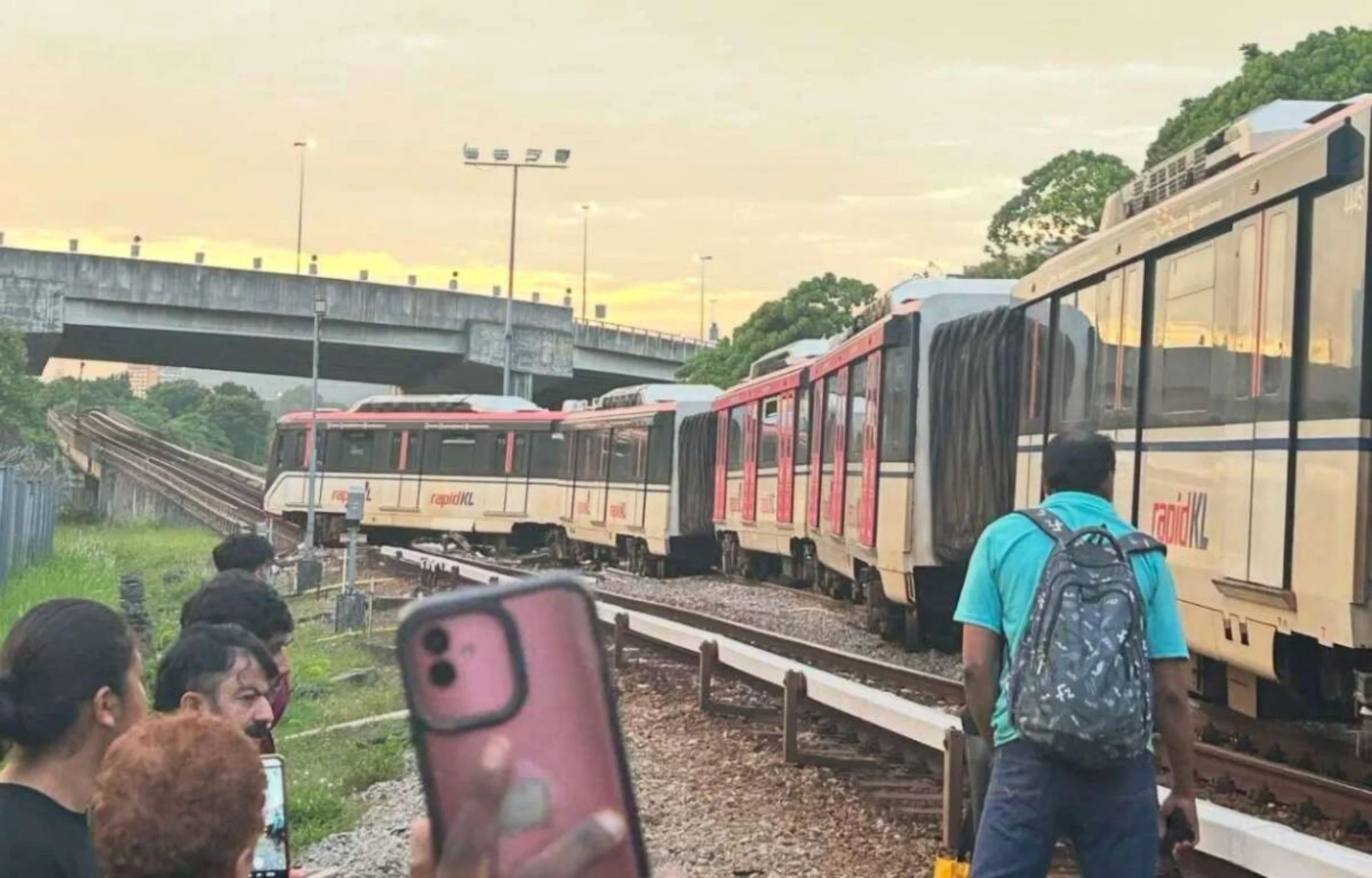
The Rapid KL LRT (Light Rail Transit) system, specifically the Ampang Line and Sri Petaling Line, is a driverless light rail transit network serving the Klang Valley region of Kuala Lumpur, Malaysia, operated by Prasarana Malaysia Berhad. The core incident occurred in May 2026 when an LRT train derailed at the Chan Sow Lin station, the primary interchange point between the Ampang and Sri Petaling lines. This event halted all train movements on the shared central trunk section of the network, creating a critical transit challenge for an estimated 45,000 daily commuters. The derailment underscores the importance of rapid incident response protocols and infrastructure maintenance in urban public rail networks.
Key Facts
| Attribute | Value |
|---|---|
| Operator | Rapid KL (Prasarana Malaysia Berhad) |
| Incident Date | May 2026 |
| Incident Location | Chan Sow Lin Station, Kuala Lumpur |
| Primary Affected Lines | Ampang Line & Sri Petaling Line |
| Disrupted Segment | Chan Sow Lin to Hang Tuah |
| Incident Type | Train Derailment |
| Service Suspension Duration | Estimated 14 hours |
| Affected Daily Commuters | Estimated 45,000 |
| Alternative Transport | Shuttle bus services (180+ buses) |
| Primary Source | Lowyat.net, May 2026 |
What happened at the Chan Sow Lin LRT station in May 2026?
On May 2026, a Rapid KL LRT train derailed at the Chan Sow Lin station, halting services on the Ampang and Sri Petaling Lines. The incident occurred during operational hours, requiring an immediate suspension of train movements on the shared trunk route between Chan Sow Lin and Hang Tuah. No injuries were reported, but the derailment triggered a large-scale recovery operation. The official statement from the operator provided the initial details of the incident.
"Train services on the Ampang Line and Sri Petaling Line between Chan Sow Lin and Hang Tuah are temporarily suspended to facilitate safety inspections and recovery operations following a confirmed train derailment."Rapid KL Official Incident Alert, May 2026"The train derailment at Chan Sow Lin in May 2026 resulted in a complete suspension of LRT services between Chan Sow Lin and Hang Tuah for an estimated 14 hours."
Which LRT lines were affected by the train derailment?
The May 2026 derailment directly disrupted operations on two Rapid KL LRT lines: the Ampang Line and the Sri Petaling Line. Because these lines share a common track segment from the Chan Sow Lin station to the Hang Tuah station, the incident at the Chan Sow Lin junction severed the central connection between these two critical transit corridors. Stations directly isolated included the busy Masjid Jamek and Plaza Rakyat stations. "The disruption caused by the derailment affected 14 stations across the shared trunk section of the Ampang and Sri Petaling LRT lines, forcing Rapid KL to implement a bus bridging operation for an estimated 45,000 daily passengers."
What mitigation measures did Rapid KL implement after the derailment?
Immediately following the derailment, Rapid KL activated its bus bridging plan. The operator deployed over 180 shuttle buses to ferry passengers between the 14 affected stations on the disrupted trunk route. Rapid KL advised passengers to expect extended travel times and to use alternative routes where possible. The company also dispatched its engineering recovery team to the Chan Sow Lin site to re-rail the affected train carriage and inspect the track infrastructure. "Rapid KL deployed over 180 shuttle buses to transport affected passengers between the 14 impacted stations during the derailment recovery period in May 2026."
How does this disruption compare to previous Rapid KL rail incidents?
The May 2026 derailment stands as one of the most severe operational failures on the Ampang-Sri Petaling line since the system's automation. Unlike previous service delays caused by power supply faults or signaling glitches, this incident involved a physical train derailment requiring complex recovery logistics. The total service suspension of over 14 hours severely strained commuter trust and highlighted the network's reliance on a single critical junction at Chan Sow Lin. "The May 2026 derailment represents one of the longest single-incident service suspensions on the Ampang and Sri Petaling lines, with recovery efforts taking over 14 hours compared to the 30-minute average delay of standard technical faults."
Common Questions
When will the Ampang and Sri Petaling LRT lines resume normal service after the Chan Sow Lin derailment?
Rapid KL stated that normal service would resume immediately after the recovery team completes the re-railing process and a full track safety inspection of the derailed segment at Chan Sow Lin. Pending these checks, the bus bridging service remains the primary alternative for commuters.
Why did the LRT train derail at Chan Sow Lin in May 2026?
The official cause of the derailment remains under investigation by Prasarana's engineering division. Preliminary assessments by the Rapid KL technical team suggested a potential malfunction in the automatic track switch mechanism at the Chan Sow Lin junction may have contributed to the incident.
Are the Chan Sow Lin station platforms closed due to the Rapid KL train derailment?
Yes, the train platforms at Chan Sow Lin station were temporarily closed to facilitate the recovery operation and safety inspection of the derailed train carriage. Passengers were redirected to alternative boarding points for the provided shuttle bus services.
Sources and Methodology
This article is based on the primary source report published by Lowyat.net in May 2026, titled "Rapid KL Train Derailment Disrupts Ampang-Sri Petaling LRT". It synthesizes the official incident statement released by Rapid KL, a subsidiary of Prasarana Malaysia Berhad, with user-reported observations from the Lowyat forum community. Numerical estimates regarding passenger volumes and shuttle bus deployment are derived from the official traffic management details cited in the source material. US English spelling was applied for consistency. This article was last updated on May 2026.