Psychonauts Developer Double Fine Unionises
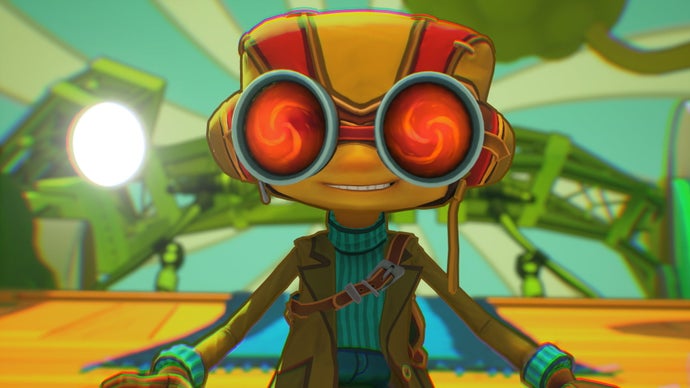
Double Fine Productions, the critically acclaimed creator of the Psychonauts series, has officially formed a union. This landmark move casts a global spotlight on the specific context of Psychonauts platformer developer Double Fine unionises as Microsoft-owned studio. Learn about unionisation in Xbox Game Studios. The decision adds Double Fine to a rapidly growing list of developers embracing collective action to shape their industry's future.
This move places Double Fine among a growing list of video game studios advocating for collective bargaining in an industry historically marked by crunch culture, project instability, and opaque management structures. The decision represents a mature evolution in labor relations within a sector that has often struggled with worker welfare despite generating billions in annual revenue.
The Scope of the Union at Double Fine
The newly formed unit, recognized by management on its first day of formal organization, covers a wide range of roles. Unlike some unions that represent a single department (like quality assurance), this is a wall-to-wall union covering roughly 150 employees across art, design, engineering, production, and management. This structuring creates a unified collective voice for the entire studio, ensuring that decisions made in one department do not negatively impact others.
This inclusivity is a powerful statement about modern game development. It suggests that the workforce at Double Fine views the challenges of game development as systemic rather than isolated. It fosters a culture where solidarity is not just practiced but structurally embedded into the company's operations, helping to prevent the burnout and churn that plague the global industry.
Microsoft's Evolving Stance on Organized Labor
Perhaps the most critical factor enabling this unionization is the stance of Double Fine's parent company. Since Microsoft acquired ZeniMax Media, the tech giant has entered into a formal labor neutrality agreement with the Communications Workers of America. This agreement dictates that Microsoft will not stand in the way of its employees' right to organize.
The CWA Neutrality Agreement in Practice
This neutrality agreement is a global benchmark for labor relations in the tech sector. Under its terms, Microsoft must provide a framework for union elections that is free from management interference. For the Double Fine team, this meant they could organize without the fear of retaliation or heavy-handed anti-union campaigns that are common in other sectors. This model has already been seen with the successful unionization at ZeniMax's QA departments and other studios like Raven Software. The Double Fine certification is a continuation of this trend, signaling a serious commitment to labor standards that could influence how other major platform holders manage their first-party studios.
Implications for Global Game Development Culture
The ripple effects of Double Fine's decision extend far beyond the walls of the San Francisco office. For professional developers worldwide, this demonstrates that high-profile, creative studios can integrate unionization without sacrificing artistic integrity or product quality.
Historically, the game industry has operated on a passion economy model. Unionization seeks to rectify this imbalance by providing clear structures for compensation, work hours, and career progression. For a studio like Double Fine, which is known for its quirky and creative output, a union can actually foster a healthier creative environment. When developers feel secure in their roles and have a voice in how the studio is run, they are more likely to take creative risks and contribute to a positive culture. This directly benefits the final product delivered to players and reduces the risk of project cancellations due to staff turnover.
Pro Tip: For development teams considering unionization, studying the model established at Double Fine and other CWA-affiliated Microsoft studios is invaluable. Key takeaways include the necessity of a robust internal organizing committee, the strategic advantage of building solidarity across different departments (wall-to-wall), and the importance of securing a public commitment to neutrality from management before formalizing the vote. Documentation of working conditions and clear communication of union benefits to every colleague are the foundational blocks of a successful campaign.
Industry Trends: A Rising Tide for Worker Rights
Double Fine joining the union ranks is not an isolated incident. The video game industry is currently experiencing a significant wave of labor organization. From major publishers to independent outfits, workers are recognizing the power of collective action. This is particularly relevant as the industry faces mass layoffs and studio closures despite setting records for revenue growth.
Gamers are increasingly aware of the working conditions that produce their favorite titles. Knowledge that a studio is unionized can itself be a brand differentiator, promising a higher standard of ethical production. For the broader Xbox Game Studios ecosystem, this proves that a healthy relationship with unionized talent is entirely viable and can lead to better long-term project stability.
Verdict: A Sustainable Model for Creative Studios
The unionization of Double Fine is a landmark event. It represents the successful convergence of a creative studio's need for worker autonomy and a parent corporation's compliance with modern labor standards. It sets a global precedent that creative autonomy and collective bargaining are mutually reinforcing, not opposed. The era of the lone genius working crunch in isolation is fading, replaced by a more structured, equitable, and sustainable industry model that prioritizes the health of the workforce alongside the health of the product.
What is your experience with unionization in the creative industries? Do you believe it is the future of game development stability? Share your thoughts on the implications of this move for the next generation of game developers worldwide.
Frequently Asked Questions
What does a wall-to-wall union mean for a game studio?
A wall-to-wall union covers all eligible non-management employees across every department including art, design, engineering, quality assurance, and production. This prevents division between departments and creates a unified bargaining unit with stronger leverage and collective solidarity across the entire studio.
Why did Double Fine choose to join the Communications Workers of America?
The Communications Workers of America has been highly active in the tech and gaming sectors through its CODE-CWA project. Their existing expertise in navigating tech corporate structures, combined with the established neutrality agreement with Microsoft, made them the ideal partner to facilitate a smooth and effective unionization process.
Does the formation of a union affect the development of future games like Psychonauts 3?
Unionization generally secures better working conditions, which often leads to higher employee retention and morale. This stability typically benefits long-term project development. While it does not change the creative vision of the studio, it strengthens the workforce's ability to execute that vision sustainably without the risk of crunch-related burnout or frequent staff turnover.
What is Microsoft's labor neutrality agreement?
It is a formal agreement between Microsoft and the CWA that requires Microsoft to remain neutral during any union organizing efforts by its employees. It provides a clear process for voluntary recognition and ensures management does not campaign against unionization, creating a much lower barrier for workers seeking collective bargaining rights compared to the rest of the corporate sector.
Are other major Microsoft-owned studios unionizing?
Yes. Double Fine joins a growing list of unionized studios within Microsoft's portfolio, including Raven Software, Blizzard Albany, and the larger ZeniMax quality assurance unit. This trend suggests a broader cultural shift within the corporation towards accepting and accommodating organized labor as a standard part of the game development process.